

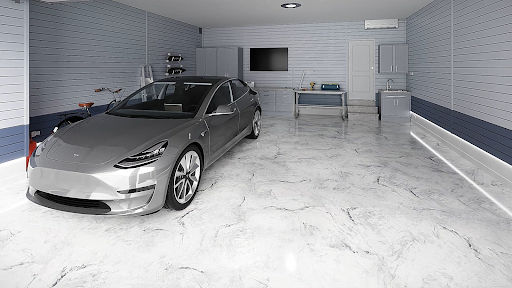
If your garage floor has seen better days, you’re not alone. Over time, constant use, spills, and wear and tear can leave it looking worn and tired. The good news is, there are smart ways to bring your garage floor back to life without breaking the bank. By using durable coatings, you can protect your floor and enhance its appearance.
One of the most popular and effective options is epoxy flooring. It’s a tough, long-lasting solution that can completely transform the look and feel of your garage. Not only does it improve aesthetics, but it also makes your garage easier to maintain.
In this article, we’ll explore the benefits of garage epoxy flooring and other options like concrete sealing services. We’ll also guide you through the process, from preparation to long-term maintenance, so you can make an informed decision about your garage floor upgrade.
What is Garage Epoxy Flooring?
Garage epoxy flooring is a coating that’s applied to concrete floors. It’s made from a combination of resin and hardener, which creates a durable, long-lasting surface. Once applied, the coating creates a protective layer that resists stains, spills, and tire marks. It’s perfect for garages that see a lot of foot traffic, heavy equipment, or vehicles.
For homeowners in Woodland Park, NJ, garage epoxy flooring is an excellent option. Whether you use your garage to park your car or as a workspace, this type of coating can handle the wear and tear while adding a fresh, modern look to your garage.
Benefits of Epoxy Flooring
- Protection: Epoxy flooring acts as a protective barrier against stains, oil spills, and tire marks. If you’re tired of cleaning up grease stains or worrying about oil leaks from your car, epoxy flooring is the solution.
- Durability: Epoxy is known for its strength and longevity. It can withstand heavy use and is resistant to cracking or chipping. This makes it perfect for busy garages that experience a lot of foot traffic or use heavy equipment.
- Aesthetic Appeal: Not only does epoxy flooring provide protection, but it also enhances the look of your garage. You can choose from a variety of colors and finishes to match your style, including decorative flakes for added texture.
- Easy to Clean: With its smooth, non-porous surface, garage epoxy flooring is much easier to clean than traditional concrete. Spills and dirt can be wiped away quickly, saving you time and effort.
Durable Coating for Your Garage Floor
If you’re looking for a less intensive, concrete sealing services are another great way to protect your garage floor. Sealing your concrete floor doesn’t involve the same level of application as epoxy flooring, but it still offers valuable protection.
Concrete sealers work by filling the tiny pores in the concrete, preventing moisture, dirt, and stains from penetrating the surface. This can help keep your floor looking fresh and prevent damage from salt, oil, and chemicals commonly found in garages.
When to Choose Concrete Sealing
- Existing Concrete Floors: If your garage already has a concrete floor and you want to protect it, concrete sealing might be the best option. It’s less expensive than installing epoxy flooring, and it still offers effective protection.
- Light Use Garages: If your garage doesn’t experience heavy traffic or the regular dropping of heavy tools, concrete sealing might be all you need. It’s an ideal solution for homeowners who want a cost-effective way to improve their garage floor without going through a full renovation.
- Variety of Finishes: Concrete sealing services come in a range of finishes, from glossy to matte. Whether you want a shiny surface or a more natural look, you can find a sealer that suits your needs.
Preparation Before Applying Coatings
No matter which type of coating you choose, preparation is key to ensuring long-lasting results. Here’s what you need to do:
- Clean the Floor: Make sure your floor is free from dirt, grease, oil, and other contaminants. Use a degreaser or power washer to clean the surface thoroughly.
- Repair Damages: Check for any cracks or chips in the concrete. If there are any, use a filler or patching compound to repair them. This ensures the coating adheres properly and prevents future damage.
- Etch the Concrete: For garage epoxy flooring, etching the concrete is essential for better adhesion. This can be done with an acid-based solution or a mechanical grinder to roughen the surface.
Application Process
Here’s a step-by-step guide to applying garage epoxy flooring or concrete sealing:
- Clean the Floor: This is the first and most crucial step. Without a clean surface, the coating won’t bond properly.
- Prime the Surface: Depending on the coating you’re using, a primer or bonding agent may be necessary. This is especially important for garage epoxy flooring to ensure proper adhesion.
- Apply the Coating: Whether you’re using epoxy or a concrete sealer, apply the product evenly. For epoxy, use a roller to cover the surface, making sure there are no streaks or air bubbles. For concrete sealing, a sprayer or roller works best.
- Allow Time for Curing: Don’t rush the process. Allow enough time for the coating to cure and harden. Typically, this can take anywhere from 24-48 hours, depending on temperature and humidity.
Maintenance and Longevity
Once your floor coating is applied, regular maintenance will help it last longer. Here are some tips:
- Regular Cleaning: Sweep and mop your garage floor regularly to remove dirt and debris. Use mild cleaning products to avoid damaging the finish.
- Fix Damage Early: If you notice chips or cracks in your garage epoxy flooring or sealed concrete, address them immediately to prevent further damage.
- Resealing: For concrete floors, resealing every 1-2 years will help maintain its protective qualities. Epoxy flooring may not need resealing, but it’s important to inspect it periodically for any signs of wear.
Choosing the Right Option for Your Garage
The best choice for your garage floor depends on a few factors:
- Floor Condition: If your floor is severely damaged, garage epoxy flooring may be the better option. If it’s in good shape and you’re just looking to protect it, concrete sealing services will suffice.
- Garage Use: If you use your garage for heavy-duty work or parking vehicles, epoxy is likely your best bet. If your garage is used less intensively, sealing may be enough.
- Budget: Garage epoxy flooring is more expensive than sealing, so your budget might also play a role in your decision.
Conclusion
Upgrading your garage floor doesn’t have to be complicated. Whether you choose garage epoxy flooring or concrete sealing services, both options offer excellent protection, improved aesthetics, and long-term value. With the right preparation, application, and maintenance, your garage floor will stay in great shape for years to come.
For homeowners in Woodland Park, NJ, both garage epoxy flooring and concrete sealing services are available to enhance the look and function of your garage. Take the time to consider your needs, and choose the option that works best for you!



More Stories
Choosing the Right Carpet for Each Room in Your Home
Home Addition Construction Roanoke VA: Planning the Right Project
Phasing and Dust Control in an Occupied Home Renovation