

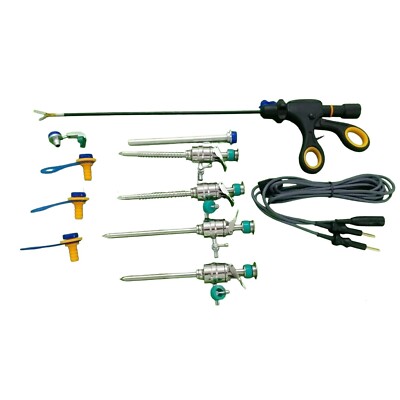
Modern surgical advancements have significantly transformed the way abdominal procedures are performed today. One of the most important innovations in this field is the use of laparoscopic instruments, which have made surgeries safer, less invasive, and far more efficient compared to traditional open procedures. These tools allow surgeons to operate through very small incisions while maintaining high precision, better visibility, and improved control inside the abdominal cavity.
This shift toward minimally invasive surgery has improved recovery times, reduced complications, lowered hospital stays, and enhanced overall patient outcomes across a wide range of abdominal conditions. It has also reshaped surgical expectations for both doctors and patients.
Understanding Laparoscopic Surgery
Laparoscopic surgery, also known as minimally invasive or keyhole surgery, involves performing operations through small incisions using a camera system and specialized surgical tools. A high-definition laparoscope provides real-time visuals of internal organs, allowing surgeons to perform precise movements without large surgical openings.
This method is widely used for procedures such as:
- Gallbladder removal
- Appendix surgery (appendectomy)
- Hernia repair
- Gynecological procedures
- Bowel and gastrointestinal surgeries
Because of its precision and reduced trauma to the body, laparoscopic surgery has become a standard approach in many modern hospitals and surgical centers.
Role of Laparoscopic Instruments in Modern Surgery
The development of laparoscopic instruments has been one of the most important breakthroughs in surgical innovation. These tools are specially designed to enhance precision, flexibility, and control during complex abdominal procedures.
Key characteristics include:
- Long, slim structure designed for minimal incisions
- High-precision tips for delicate tissue handling
- Improved grip and ergonomic control for surgeons
- Compatibility with advanced imaging systems
- Resistance to wear and repeated sterilization
These features enable surgeons to perform highly accurate procedures while minimizing damage to surrounding tissues. This has directly contributed to better surgical outcomes and reduced recovery complications.
Key Advantages of Laparoscopic Tools in Abdominal Surgery
These advantages collectively contribute to safer procedures, improved surgical precision, and significantly better patient recovery outcomes.
1. Improved Precision and Surgical Control
Laparoscopic tools provide surgeons with magnified and high-definition views of internal organs. This enhanced visibility allows for extremely accurate movements, reducing the chances of accidental damage and improving surgical success rates.
2. Reduced Post-Surgical Pain
Since laparoscopic procedures require very small incisions, patients experience significantly less pain compared to traditional open surgeries. This reduces dependence on strong pain medications and improves early mobility.
3. Faster Recovery Time
One of the most important benefits of laparoscopic surgery is quicker healing. Patients typically return to normal activities much sooner because there is minimal tissue disruption and reduced trauma.
4. Lower Risk of Infection
Smaller surgical openings mean reduced exposure to external contaminants. This significantly lowers the risk of post-operative infections and complications, making the procedure safer overall.
5. Minimal Scarring and Better Cosmetic Results
Laparoscopic procedures leave very small scars that fade over time. This is especially important for patients who prefer minimal visible marks after surgery.
How Laparoscopic Technology Enhances Surgical Efficiency
Modern surgical systems now integrate advanced imaging, precision instruments, and energy-based tools to improve efficiency in the operating theatre. Surgeons can perform complex procedures with better accuracy and reduced operating time.
This is made possible through:
- High-definition and 3D camera systems
- Advanced energy sealing devices
- Improved instrument ergonomics
- Real-time visual guidance systems
- Better tissue dissection control
These innovations ensure smoother surgical procedures and improved patient safety.
Common Applications of Laparoscopic Surgery
Laparoscopic techniques are widely used across multiple abdominal procedures due to their safety, reliability, and efficiency.
| Procedure Type | Key Benefit of Laparoscopic Approach |
| Gallbladder surgery | Minimal pain and quick discharge |
| Appendix removal | Faster recovery and low infection risk |
| Hernia repair | Strong repair with minimal tissue damage |
| Gynecological surgery | Better precision and reduced complications |
| Bowel procedures | Shorter hospital stay and faster healing |
This versatility has made laparoscopic surgery a preferred option in modern medical practice worldwide.
Importance of Surgical Instrument Quality
The success of any laparoscopic procedure depends heavily on the quality and precision of surgical tools used. High-grade instruments ensure smoother handling, improved accuracy, and safer patient outcomes.
Second mention insight:
In advanced surgical environments, laparoscopic instruments are engineered to meet strict medical standards, ensuring consistent performance during delicate and high-risk procedures.
Durability, sterilization compatibility, and precision engineering all play a crucial role in improving surgical success rates.
Technological Advancements in Laparoscopic Surgery
Continuous innovation in surgical technology has significantly improved laparoscopic outcomes over the years. Modern systems now combine robotics, imaging, and precision engineering to enhance surgical performance.
Key innovations include:
- 3D and 4K visualization systems
- Robotic-assisted laparoscopic platforms
- Improved sealing and cutting technologies
- Smart energy-based surgical devices
- Enhanced miniaturized surgical instruments
These advancements help surgeons perform more complex procedures with greater confidence and reduced risk.
Patient Benefits of Laparoscopic Procedures
Patients undergoing laparoscopic abdominal surgery experience multiple advantages that improve both medical recovery and overall quality of life.
Key benefits include:
- Shorter hospital stays and faster discharge
- Reduced post-operative discomfort
- Lower complication and infection rates
- Faster return to daily routines
- Improved cosmetic outcomes
- Reduced overall healthcare costs
These combined advantages make laparoscopic surgery a preferred choice for both patients and healthcare professionals.
Future of Laparoscopic Surgery
The future of laparoscopic surgery is moving toward even more precision-driven and technology-enhanced procedures. With ongoing innovation in robotics, imaging, and instrumentation, surgical outcomes are expected to improve further.
Emerging trends include:
- AI-assisted surgical navigation systems
- Fully robotic minimally invasive surgeries
- Ultra-miniaturized precision instruments
- Real-time data integration in operating rooms
- Enhanced surgical simulation training
These developments will continue to redefine abdominal surgery standards and improve global healthcare efficiency.
Conclusion
Laparoscopic surgery has revolutionized abdominal procedures by making them safer, more precise, and significantly less invasive. With reduced recovery time, minimal scarring, and improved surgical accuracy, it has become a preferred method in modern healthcare systems across the world.
Leading medical suppliers such as Salwan Surgicare play a key role in supporting healthcare professionals by providing advanced surgical solutions that meet global quality standards. Their commitment to innovation ensures reliable performance in operating theatres. The use of laparoscopic surgical instruments further enhances surgical precision, reduces complications, and improves patient recovery outcomes, making modern abdominal surgery more efficient and dependable than ever before.




More Stories
Clear Aligners: A Clearer Way to Achieve a Straighter, Healthier Smile
Oren Shachar and Co-Defendant Abraham Shin Released on Bond in Medicare Case
Justin Jadali on Quantitative Microscopy in Tissue Engineering Research