

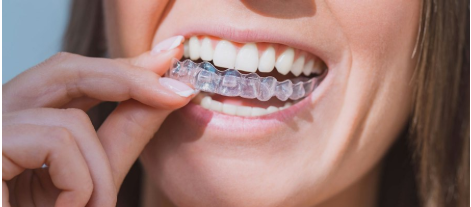
Orthodontic treatment has come a long way from the days when metal brackets and wires were the only practical choice for straightening teeth. Today, patients can explore discreet alternatives that fit more naturally into their professional, social, and personal lives. Simply clear aligners represent one such approach, using a series of transparent, removable trays to gradually guide teeth towards improved alignment. For anyone considering a more subtle orthodontic treatment, understanding how clear aligners work, what they can correct, and what daily commitment they require is an important first step.
What Are Clear Aligners?
Clear aligners are custom-made orthodontic trays created to fit closely over the teeth. Unlike fixed braces, which rely on brackets and wires, aligners use a sequence of removable trays to apply controlled pressure to specific teeth. Each tray represents a stage in the treatment plan. As treatment progresses, patients move from one aligner to the next, with every new tray designed to continue the planned movement.
The transparent appearance is one of the main reasons aligners have become popular. They are considerably less noticeable than conventional metal braces, making them particularly appealing to adults and professionals who may feel self-conscious about wearing visible orthodontic appliances.
However, clear aligners are more than a cosmetic alternative. They are orthodontic appliances that require careful planning and monitoring. Their suitability depends on the patient’s dental condition and the type and severity of the alignment problem.
How Do Clear Aligners Work?
Clear aligner treatment begins with an assessment of the teeth and bite. The orthodontist determines whether aligners are appropriate and identifies the movements required to achieve the desired result.
Digital scans can then be used to create a three-dimensional representation of the teeth. This information helps the orthodontist plan the sequence of tooth movements and determine how each aligner should fit.
Patients receive a series of custom-made trays. Each tray is normally worn for a specified period before being replaced with the next one. The gradual progression allows teeth to move incrementally rather than attempting to achieve the final position all at once.
Because aligners are removable, patients must take responsibility for wearing them consistently. Treatment success depends not only on the quality of the aligners but also on following the prescribed wearing schedule.
Why Are Clear Aligners Becoming Popular?
One of the biggest advantages of clear aligners is their discreet appearance. The transparent trays can make orthodontic treatment less visually prominent, which can be particularly useful for people who interact frequently with colleagues, customers, students, or clients. Another benefit is flexibility. Unlike fixed braces, aligners can generally be removed during meals. This means patients do not have to make the same dietary adjustments commonly associated with brackets and wires.
They can also be removed for brushing and flossing, allowing patients to maintain their usual oral hygiene routine more easily. For these reasons, teeth aligners in Singapore have become an option worth exploring for individuals who want orthodontic correction while maintaining greater flexibility in their daily routines.
What Dental Problems Can Clear Aligners Address?
Clear aligners can be used to correct several common alignment concerns, although suitability depends on the complexity of each case.
Crowded Teeth
Crowding occurs when there is insufficient space for teeth to sit correctly in the dental arch. This can cause teeth to overlap, rotate, or become difficult to clean.
Depending on the severity, clear aligners may be used to gradually reposition crowded teeth.
Gaps Between Teeth
Spaces can occur between individual teeth for several reasons. Aligners can sometimes bring teeth closer together and improve the overall appearance of the dental arch.
Overbite
An overbite occurs when the upper teeth extend excessively over the lower teeth. Depending on its severity and underlying cause, orthodontic treatment may help improve the relationship between the upper and lower teeth.
Underbite
An underbite occurs when the lower teeth sit in front of the upper teeth. Mild cases may sometimes be managed with orthodontic appliances, while more complex cases require detailed assessment.
Crossbite
A crossbite occurs when certain upper teeth sit inside the corresponding lower teeth when the mouth closes. Orthodontic treatment can be used to improve the positioning of affected teeth.
Open Bite
An open bite occurs when some upper and lower teeth do not meet properly when the mouth is closed. Treatment requirements can vary considerably depending on the cause and severity.
Not every case of these conditions can be treated using clear aligners alone. A specialist assessment is necessary before deciding which orthodontic method is appropriate.
What Is the Treatment Process Like?
Understanding the treatment journey can make the experience feel much more straightforward.
Step 1: Initial Consultation
Treatment starts with an orthodontic examination. The orthodontist reviews the patient’s concerns, examines tooth alignment and bite, and discusses the available treatment options.
This stage is important because it establishes whether clear aligners are clinically appropriate.
Step 2: Digital Scanning and Planning
If aligner treatment is suitable, digital scans may be taken to create an accurate representation of the teeth.
The resulting digital model can be used to plan the sequence of tooth movements. This provides the orthodontist with a structured roadmap for treatment.
Step 3: Custom Aligners
Once the treatment plan is finalised, the aligners are produced according to the patient’s dental structure and planned movements.
Because each series is customised, the trays are designed to fit the individual rather than functioning as a generic appliance.
Step 4: Wearing the Aligners
Patients generally need to wear their aligners for most of the day. Many treatment plans recommend approximately 20 to 22 hours of daily wear, removing the trays mainly for eating, drinking, brushing, and flossing.
Consistency is extremely important. Frequently leaving aligners out for extended periods can interfere with the planned progression.
Step 5: Changing Trays
After the prescribed period, patients move to the next aligner in the sequence. Each tray is designed to continue the movement initiated by the previous one.
The exact schedule depends on the treatment plan.
Step 6: Progress Reviews
Regular appointments allow the orthodontist to assess whether the teeth are moving as expected. Adjustments to the treatment plan may be made when necessary.
Step 7: Retention
Once active treatment is completed, retainers are normally required to help maintain the new alignment. Retention is an essential part of orthodontic treatment because teeth can naturally shift over time.
What Makes Clear Aligners Convenient?
Clear aligners are particularly attractive to people who want orthodontic treatment without significantly changing their appearance.
Their removability also offers practical advantages. Patients can take them out for meals and continue eating a wide range of foods without worrying about damaging brackets.
Cleaning can also be more straightforward because the trays can be removed before brushing and flossing. Nevertheless, the aligners themselves need to be cleaned appropriately, and patients must maintain good oral hygiene throughout treatment.
Convenience, however, comes with responsibility. Fixed braces remain attached to the teeth, while clear aligners depend heavily on patient compliance.
Are Clear Aligners Suitable for Adults?
Adults often consider orthodontic treatment but hesitate because they do not want noticeable braces. Clear aligners offer a discreet alternative for many patients. They can be especially appealing to professionals who attend meetings, presentations, interviews, or social events regularly.
Age alone does not determine whether a patient can use aligners. Instead, the condition of the teeth, gums, bone, and bite must be considered. Adults should also understand that orthodontic treatment may take several months or longer depending on the complexity of the case. A consultation is therefore essential for establishing realistic expectations.
Clear Aligners vs Traditional Braces
Both clear aligners and braces are designed to improve tooth alignment, but their treatment experience is different. Traditional braces remain attached to the teeth and use brackets and wires to apply orthodontic forces. They can provide precise control and are suitable for a broad range of cases.
Clear aligners are removable and visually discreet. They may be particularly appealing to patients whose main priorities are appearance and flexibility. Neither option is automatically superior for every patient. The best treatment depends on the diagnosis, treatment objectives, complexity of movement, lifestyle, and willingness to follow treatment instructions.
How to Care for Clear Aligners
Good hygiene is important for both teeth and aligners. Patients should brush their teeth regularly and clean their aligners according to their orthodontist’s instructions. Eating while wearing aligners should generally be avoided unless specifically advised otherwise.
Before putting the trays back in, patients should ideally ensure their teeth are clean. Otherwise, food particles and bacteria may become trapped between the teeth and aligners. The trays should also be stored safely whenever they are removed. Wrapping them in tissues or leaving them exposed can increase the risk of accidentally throwing them away or damaging them.
What Happens If an Aligner Is Lost?
Because clear aligners are removable, there is always a possibility of misplacing or damaging one. Patients should contact their orthodontic provider rather than simply skipping to the next tray. The correct response depends on the stage of treatment and the circumstances.
Keeping previous aligners can sometimes be helpful in an emergency, but patients should follow their orthodontist’s specific instructions rather than making treatment changes independently.
How Long Does Clear Aligner Treatment Take?
Treatment duration varies according to the complexity of the case. Patients with mild spacing or crowding may require a shorter treatment period, while individuals with more complicated alignment or bite concerns may need longer treatment.
Compliance is another important factor. Wearing the aligners for the recommended number of hours each day helps maintain the planned progression. Patients should be cautious about choosing treatment based solely on promises of exceptionally rapid results. Safe orthodontic movement requires appropriate planning and monitoring.
Understanding the Cost
The cost of clear aligner treatment depends on several factors. These may include the complexity of the case, number of aligners required, treatment duration, diagnostic procedures, orthodontic appointments, and retention. When comparing teeth aligners in Singapore, patients should look at the complete treatment package rather than focusing only on the initial price.
It is useful to ask whether the quoted fee includes consultations, scans, refinements, follow-up appointments, and retainers. Understanding these details beforehand can prevent unexpected expenses later.
Why Professional Supervision Matters
Clear aligners may look simple because they consist of transparent trays, but the treatment behind them is carefully planned orthodontic care. A qualified orthodontist evaluates how the teeth, bite, and supporting structures interact. This is important because moving teeth involves biological changes, and inappropriate forces or poorly planned movements can create unwanted complications.
Professional supervision also allows treatment to be modified if tooth movement does not progress exactly as expected. Patients should therefore view clear aligners as a clinical treatment rather than simply a cosmetic product.
Conclusion
Clear aligners provide a discreet and flexible way to address many common orthodontic concerns. With removable trays, digital treatment planning, and staged tooth movement, they can fit comfortably into the routines of many adults and other suitable patients. Simply clear aligners can be an appealing option for people seeking a less noticeable alternative to fixed braces, but professional assessment remains essential to determine whether they are appropriate.
For patients exploring clear aligner treatment in Singapore, BRACESAURUS offers specialist orthodontic care focused exclusively on braces and alignment solutions. Its clear-aligner service includes personalised treatment planning, digital 3D scanning, custom-made aligners, progress monitoring, and retention support. The clinic is led by Dr Wee Teng Yau, an MOH-accredited orthodontist with more than two decades of dental experience.




More Stories
Oren Shachar and Co-Defendant Abraham Shin Released on Bond in Medicare Case
Justin Jadali on Quantitative Microscopy in Tissue Engineering Research
Oren Shachar Medicare Fraud Case Raises Scrutiny Over Hospice Billing in California