

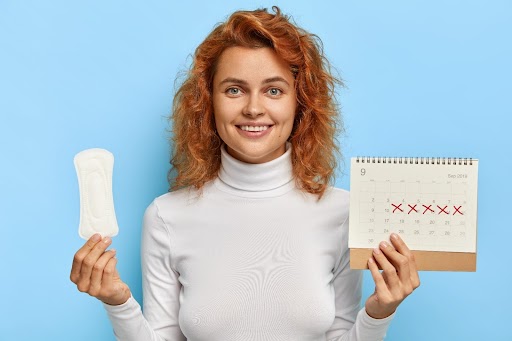
The first menstrual cycle is an important milestone in a teenager’s life, marking the beginning of puberty and reproductive maturity. It can bring a mix of emotions, including curiosity, confusion, or even anxiety. Understanding what to expect helps teens feel more confident and prepared for this natural process. Learning about menstrual hygiene and body changes is essential for maintaining health and comfort. With the right guidance and support, teens can approach their first period with confidence and ease.
What Is a Menstrual Cycle?
The menstrual cycle is a natural process that begins during puberty and prepares the body for potential pregnancy each month. For teens experiencing it for the first time, it can feel confusing, unexpected, or even a little overwhelming. Understanding what a menstrual cycle is helps remove fear and replaces it with confidence.
During the menstrual phase, using comfortable sanitary pads helps manage bleeding and keeps you feeling clean and confident.While the average cycle lasts about 28 days, it’s completely normal for teens to have irregular cycles in the beginning. Every body is different, and your menstrual cycle will find its own rhythm over time.
When Does the First Menstrual Cycle Start?
The first menstrual cycle, also called menarche, usually starts between the ages of 9 and 15. It depends on factors like genetics, nutrition, and overall health. Some teens may get their first period earlier, while others may start later and both are normal.
Before your menstrual cycle begins, your body often gives signals. These may include breast development, growth of body hair, and mild cramps or mood changes. Recognizing these signs can help you feel more prepared for your first period.
What Happens During a Menstrual Cycle?
The menstrual cycle is divided into different phases, each controlled by hormones. It begins with the menstrual phase, when bleeding occurs. This is followed by the follicular phase, where the body prepares an egg.
Next comes ovulation, when an egg is released from the ovary. Finally, the luteal phase prepares the body for the next cycle. If pregnancy does not occur, the cycle starts again.For teens, the menstrual cycle may not follow a fixed pattern right away. It can take months or even a couple of years for it to become regular.
Common Symptoms During Your Menstrual Cycle
It’s normal to experience certain physical and emotional changes during your menstrual cycle. These can include cramps, bloating, fatigue, and mood swings. Some teens may also notice headaches or back pain.Not everyone experiences the same symptoms, and their intensity can vary.
Learning how your body reacts during your menstrual cycle helps you manage these changes better.Simple habits like staying hydrated, eating balanced meals, and getting enough rest can make a big difference in how you feel.
Choosing the Right Products for Your First Period
Managing your menstrual cycle becomes easier when you use the right hygiene products. Many teens start with sanitary pads because they are simple and comfortable to use. They come in different sizes and absorbency levels to match your flow.
It’s a good idea to try a few options and see what feels best for you. Comfort and confidence are key when selecting products during your menstrual cycle.Always carry an extra pad in your bag, especially during the early months when your cycle may be unpredictable.
How to Track Your Menstrual Cycle
Tracking your menstrual cycle is one of the best habits you can develop early on. It helps you understand when your period is likely to start and how long it usually lasts.You can use a calendar, a notebook, or a mobile app to track your cycle.
Mark the first day of your period and note any symptoms you experience. Over time, you’ll begin to notice patterns in your menstrual cycle.This practice not only helps with planning but also makes it easier to notice any irregularities.
What Is Normal and What Is Not?
In the beginning, your menstrual cycle may be irregular. You might skip a month or have cycles that are shorter or longer than expected. This is completely normal for teens.However, there are certain signs to watch for.
Extremely heavy bleeding, severe pain, or periods that last longer than a week may need medical attention.If something feels unusual or concerning, don’t hesitate to talk to a parent, guardian, or healthcare professional about your menstrual cycle.
Tips to Stay Comfortable During Your Period
Staying comfortable during your menstrual cycle is all about preparation and self-care. Wear comfortable clothing and choose products that suit your needs.Using a heating pad can help relieve cramps, while light exercise like walking or stretching can improve your mood.
Listening to your body and giving it the rest it needs is important.Maintaining good hygiene, such as changing pads regularly, keeps you feeling fresh and confident throughout your menstrual cycle.
Emotional Changes and How to Handle Them
Hormonal changes during your menstrual cycle can affect your emotions. You might feel more sensitive, irritated, or tired than usual. This is completely normal and happens to many teens.Talking to someone you trust can help you feel better.
Whether it’s a friend, parent, or sibling, sharing your feelings makes the experience less overwhelming.Engaging in activities you enjoy, like reading, music, or hobbies, can also help you stay positive during your menstrual cycle.
Building Confidence Around Your Menstrual Cycle
Your first menstrual cycle is an important milestone, but it doesn’t have to be scary. The more you learn about your body, the more confident you will feel.Education and awareness are key to breaking myths and reducing embarrassment.
Remember, every girl goes through this, and it’s a completely natural part of growing up.With time, your menstrual cycle will become easier to manage, and you’ll feel more comfortable handling it on your own.
Final Thoughts for Teens
Understanding your menstrual cycle is the first step toward taking control of your health. While the experience may feel new and uncertain at first, it becomes easier with knowledge and practice.
By tracking your cycle, choosing the right products, and listening to your body, you can manage your menstrual cycle with confidence. Over time, it will simply become a normal part of your routine, helping you grow stronger and more aware of your body.



More Stories
Clear Aligners: A Clearer Way to Achieve a Straighter, Healthier Smile
Oren Shachar and Co-Defendant Abraham Shin Released on Bond in Medicare Case
Justin Jadali on Quantitative Microscopy in Tissue Engineering Research