

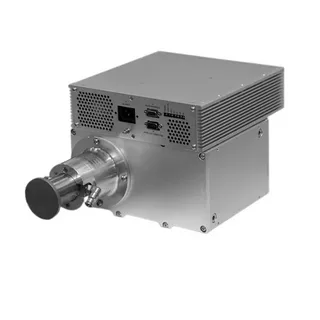
Every time an imaging system reveals something hidden inside an object or a human body, it feels almost magical. A machine scans quietly, and within seconds, a detailed image appears on a screen. Behind that smooth experience is a network of engineering decisions designed to deliver precision and stability. Much of this progress has been shaped by companies known as integrated X-ray source manufacturers, who focus on combining essential components into efficient and dependable systems.
These manufacturers understand that imaging technology is not just about producing pictures. It is about delivering reliable information that professionals can trust. Whether used in healthcare, industrial inspection, or security screening, imaging systems must perform consistently and safely under demanding conditions.
A Quiet Revolution in Imaging Technology
Not long ago, imaging systems were bulky machines filled with separate components connected through complex wiring. Installation required large spaces, careful calibration, and frequent maintenance. Over time, engineers began searching for ways to simplify these systems without reducing performance.
This effort led to more compact and integrated designs. Instead of relying on multiple separate units, modern imaging systems often combine power generation, control systems, and imaging components into a streamlined structure. Integration reduces complexity and allows machines to operate more efficiently.
As a result, imaging devices today are smaller, faster, and more reliable than ever before.
Why Power Control Matters in Imaging
Power plays a critical role in imaging performance. Producing clear and detailed images requires carefully controlled energy levels. Too little energy can lead to weak images that lack detail. Too much energy can damage equipment or create safety risks.
To manage this balance, imaging systems rely on precise power generation and regulation. A well-designed generator for X-ray machines ensures that energy is delivered consistently and safely throughout the scanning process.
This precise control allows imaging systems to capture clear images while protecting both the equipment and the people operating it. Without stable power control, even advanced imaging sensors would struggle to deliver accurate results.
Designed for Real-World Demands
Imaging equipment rarely operates in perfect laboratory conditions. Industrial inspection machines may run in environments filled with vibration, dust, or temperature changes. Security scanners at airports must operate continuously with minimal downtime. Medical imaging systems must meet strict safety and performance standards.
Because of these challenges, engineers focus heavily on durability and reliability when designing imaging components. Modern systems include protective features that prevent overheating, electrical instability, or sudden system failures.
Companies recognized as integrated X-ray source manufacturers often invest heavily in testing to ensure their products perform consistently across a wide range of operating environments.
Transforming Multiple Industries
The influence of imaging technology extends across many industries. Each field benefits in different ways, but they all rely on accurate and dependable imaging systems.
In manufacturing, imaging systems are used to detect hidden defects in materials and products. These inspections help companies identify weaknesses before products reach the market, preventing costly recalls and improving overall quality. In healthcare, imaging plays a vital role in diagnosis and treatment planning. Clear and reliable scans allow doctors to identify medical conditions early and provide better care for patients.
Security organizations also depend on imaging systems to inspect luggage, cargo, and packages quickly. Stable power systems and advanced imaging components allow scanners to operate efficiently in busy environments. Even scientific research benefits from advanced imaging systems. Engineers and scientists use imaging to study internal structures and materials that cannot be observed with the naked eye.
The Role of Integration in Modern Equipment
One of the most significant improvements in imaging technology is the shift toward integrated system design. Integration means combining multiple functions into a single optimized structure.
Instead of connecting several large devices together, modern imaging systems often rely on compact modules that perform multiple tasks simultaneously. This design approach reduces installation complexity and improves system efficiency.
Integration also helps minimize energy loss and improve performance stability. A well-designed generator for an X-ray machine can work seamlessly with other components to ensure that power delivery remains consistent throughout operation.
This streamlined approach not only improves reliability but also makes systems easier to maintain and upgrade.
Efficiency and Sustainability in Imaging Systems
Energy efficiency has become an important factor in modern imaging technology. Systems that waste energy not only increase operational costs but can also generate excessive heat that affects equipment lifespan.
Modern designs focus on optimizing energy usage without sacrificing performance. Engineers aim to deliver the precise energy required for imaging while minimizing unnecessary power consumption.
Efficient energy systems help organizations reduce operational costs while maintaining high imaging quality. This balance between performance and efficiency is one of the defining characteristics of modern imaging equipment.
Preparing for the Future of Imaging
Imaging technology continues to evolve rapidly. Advances in digital imaging, artificial intelligence, and automation are creating new possibilities for faster and more detailed scans.
As these innovations progress, the demand for reliable power systems and integrated designs will continue to grow. Companies recognized as integrated X-ray source manufacturers play a crucial role in supporting these developments by providing technology that enables advanced imaging solutions.
Future imaging systems may become even more compact, portable, and intelligent. Yet regardless of how advanced the technology becomes, the foundation will remain the same reliable power generation and precise engineering.
Choosing the Right Technology Partner
Organizations investing in imaging systems should look beyond surface specifications. The reliability of the underlying technology is just as important as the visible features.
Working with experienced manufacturers ensures that imaging equipment is designed with real-world challenges in mind. Reliable partners provide not only high-quality components but also engineering expertise that supports successful integration.
By choosing well-designed systems, organizations can reduce downtime, improve operational efficiency, and ensure long-term performance.
Conclusion
Modern imaging technology depends on reliable engineering, precise power control, and innovative system design. The work of X-ray manufacturers and the development of advanced generators for X-ray machine technology have transformed how industries inspect, diagnose, and analyze the world around them.
For organizations seeking dependable imaging solutions backed by strong engineering expertise, VJ X-Ray OEM solutions offer a reliable foundation for building advanced and future-ready imaging systems.




More Stories
Clear Aligners: A Clearer Way to Achieve a Straighter, Healthier Smile
Oren Shachar and Co-Defendant Abraham Shin Released on Bond in Medicare Case
Justin Jadali on Quantitative Microscopy in Tissue Engineering Research