

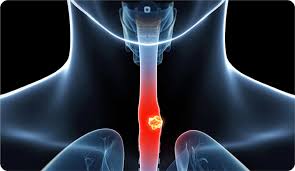
Living with difficulty in swallowing or persistent discomfort in the chest can gradually affect daily life in ways that are often hard to ignore. For many individuals, these symptoms may persist over time and, in some cases, can be associated with underlying conditions affecting the oesophagus. If left unaddressed, such persistent issues may increase the risk of developing more serious conditions, including oesophageal cancer. This makes early recognition and timely medical attention important.
In recent years, the treatment of oesophageal cancer in Delhi has advanced significantly, with improved diagnostic methods and refined treatment techniques. These developments focus on precision, reduced complications, and a more supportive treatment experience. Understanding these modern approaches can help patients and their families feel more informed and prepared when considering care options.
How Treatment Approaches Have Evolved
Treatment for oesophageal cancer has changed over time, moving from traditional open procedures to more precise and patient-friendly methods. Earlier approaches often involved longer recovery periods and greater physical strain. Today, medical teams use advanced tools and techniques that allow better control during treatment.
These improvements aim to reduce complications, support faster recovery, and improve the overall patient experience. The focus remains on delivering care that is both effective and suited to individual needs. These advancements are best reflected in the range of modern treatment approaches used to manage oesophageal cancer.
Minimally Invasive Surgical Techniques
Minimally invasive surgery has become an important option in managing oesophageal cancer. This technique uses small incisions and specialised instruments to perform procedures with greater precision.
Some of the key advantages of this approach include:
- Reduced hospital stay
- Faster recovery period
- Limited impact on surrounding tissues
These benefits make minimally invasive surgery a suitable option for selected patients, depending on the stage and condition.
Endoscopic and Early-Stage Treatment Options
For early-stage cases, endoscopic procedures offer a less invasive alternative to surgery. These treatments involve accessing the affected area through the digestive tract without external incisions.
Such approaches are typically considered in the following situations:
- When the cancer is detected at an early stage
- When the abnormal tissue is limited to the surface layer
- When the patient is suitable for minimally invasive intervention
These procedures help remove affected tissue while preserving healthy areas, supporting better functional outcomes.
Targeted Therapy and Personalised Treatment
Targeted therapy focuses on specific features of cancer cells, allowing doctors to tailor treatment plans based on the patient’s condition. This approach considers the biological characteristics of the tumour and selects therapies that act on those specific pathways.
By focusing on specific cellular mechanisms, targeted therapy aims to control cancer spread while limiting its impact on healthy tissues. Personalised treatment planning also helps manage side effects and improve overall treatment response.
Role of Immunotherapy in Advanced Cases
Immunotherapy is an emerging approach that supports the body’s immune system in identifying and responding to cancer cells. It may be recommended in certain cases where additional treatment support is required.
This method is often used alongside other therapies, depending on the patient’s condition. It provides an additional option for managing advanced-stage disease and may help improve treatment response in selected cases.
Combined Modality Treatment Approach
In many cases, doctors use a combination of treatments to manage oesophageal cancer more effectively. This approach allows different therapies to work together to control the disease.
Common treatment combinations may include:
- Surgery to remove the affected tissue
- Chemotherapy to manage cancer cells
- Radiation therapy to target specific areas
Using multiple methods helps address the condition from different angles. Treatment plans are carefully designed to suit the patient’s stage, health status, and response to therapy.
Access to Advanced Treatment in Delhi
Delhi provides access to advanced medical facilities and specialised cancer care services. Patients can benefit from modern diagnostic tools and treatment techniques that support accurate evaluation and effective management.
The availability of experienced specialists and well-equipped centres plays an important role in improving treatment outcomes. This has contributed to the growing demand for the treatment of oesophageal cancer in Delhi, where patients can access advanced care options under expert supervision.
Importance of a Multidisciplinary Approach
Managing oesophageal cancer requires collaboration between different medical experts. Each specialist contributes to planning and delivering appropriate care.
A multidisciplinary team typically includes:
- Surgeons who perform procedures
- Oncologists who plan cancer treatment
- Radiologists who assist in diagnosis and imaging
- Nutrition experts who support patient recovery
This coordinated approach ensures that all aspects of the patient’s condition are addressed. It also helps manage treatment-related challenges and support recovery.
Conclusion
Patients experiencing persistent difficulty in swallowing, chest discomfort, or related symptoms require timely evaluation, as these may indicate underlying oesophageal conditions that need medical attention. Oesophageal cancer requires a carefully planned and structured treatment approach. With advancements in minimally invasive surgery, endoscopic procedures, targeted therapies, and immunotherapy, its management has become more precise and outcome-focused. A multidisciplinary approach further ensures that each stage of care is aligned with the patient’s specific needs.
With access to specialised expertise and modern medical infrastructure, the treatment of oesophageal cancer in Delhi continues to progress. Understanding these advanced techniques and seeking timely medical guidance can help patients and their families navigate the treatment journey with greater clarity and confidence.




More Stories
Clear Aligners: A Clearer Way to Achieve a Straighter, Healthier Smile
Oren Shachar and Co-Defendant Abraham Shin Released on Bond in Medicare Case
Justin Jadali on Quantitative Microscopy in Tissue Engineering Research