
There is something powerful about holding an object that has lived through generations. The weight feels different. The sound feels layered. The story feels alive. This is especially true when it comes to antique Himalayan singing bowls, instruments that carry history not just in their metal, but in their resonance.
These sound tools are more than decorative artifacts. They represent craftsmanship, tradition, and a philosophy of healing that has crossed borders and centuries. To understand their value today, we must look at what makes them timeless.
The Journey of Sound Across Generations
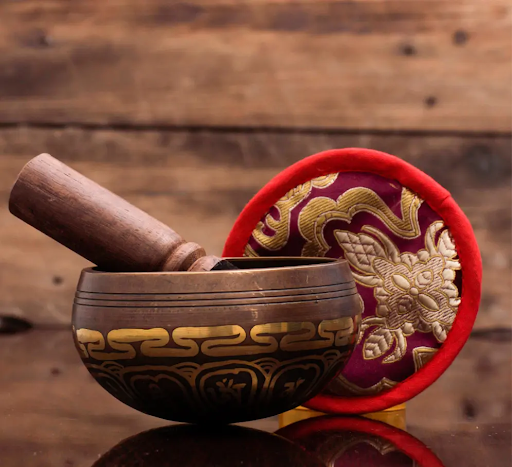
Long before modern wellness studios and guided meditation apps, communities in Himalayan regions relied on handcrafted metal bowls for ritual and reflection. These bowls were often created using traditional hammering techniques, blending different metals to produce layered tones.
Over time, each bowl developed its own character. Tiny variations in shape and thickness created unique frequencies. This individuality is what makes older bowls so sought after today.
Unlike newly manufactured items, vintage pieces carry subtle marks of use. These marks tell stories of ceremonies, homes, monasteries, and personal meditation practices.
Why Age Matters in Sound Quality
One of the most fascinating aspects of older bowls is their tone. Many practitioners believe that bowls that have been played for decades develop deeper resonance. The metal seems to “open up,” producing richer vibrations.
While modern bowls can also create beautiful sound, antique pieces often produce complex harmonic layers. These layers can be felt as much as heard. The vibration spreads slowly, filling a room in a way that feels grounding and immersive.
Collectors and meditation enthusiasts often seek these bowls not only for their history but for this distinctive sound quality.
Recognizing Authentic Craftsmanship
Identifying authentic vintage pieces requires attention to detail. Handmade bowls usually show visible hammer marks, slight asymmetry, and natural patina from age. These characteristics are signs of traditional production rather than machine-made uniformity.
Weight distribution is another indicator. Older bowls often feel dense and balanced in the hand. When struck gently, the sound should sustain for a long duration without harshness.
For those looking to buy antique Tibetan singing bowls, understanding these subtle signs helps ensure a meaningful purchase rather than a decorative replica.
Cultural Significance Beyond Meditation
Although many people associate these bowls with relaxation, their cultural roots run much deeper. Historically, they were used in rituals, spiritual ceremonies, and communal gatherings.
Sound was considered a bridge between the physical and spiritual realms. The vibration symbolized unity, intention, and harmony. Even today, practitioners view these bowls as tools for aligning energy and promoting inner balance.
Respecting this heritage adds another layer of appreciation when incorporating them into modern wellness routines.
Building a Personal Sound Collection
Some individuals prefer owning a single, deeply resonant bowl. Others are drawn to sets that produce complementary tones.
A carefully arranged Chakra Set Singing Bowls collection is designed to align with different energy centers in the body. Each bowl corresponds to a specific frequency, creating a layered sound experience when played together.
Using multiple bowls allows for a more immersive session. The overlapping tones create a wave-like effect that can feel expansive and deeply calming.
Integrating Ancient Sound into Modern Life
Despite their historical roots, these instruments fit seamlessly into contemporary lifestyles. They can be used in small apartments, yoga studios, therapy practices, or even quiet office spaces.
Simple ways to incorporate them include:
- Beginning a meditation session with a single tone
- Marking transitions between daily activities
- Creating a calming environment before sleep
- Enhancing breathwork or mindfulness practices
These rituals do not require extensive training. They simply require intention and consistency.
Understanding Value Beyond Price
When evaluating vintage bowls, price can vary widely. Factors such as age, craftsmanship, sound quality, and rarity all influence value.
However, the true worth often lies in personal experience. A bowl that produces a tone that deeply resonates with you may be more valuable than one that is technically older but less meaningful to your ear.
Taking time to listen carefully before purchasing is essential. Sound should feel calming, steady, and harmonious.
Preserving Tradition Through Responsible Purchasing
Choosing authentic handcrafted instruments supports the preservation of traditional skills. Many artisans and collectors dedicate years to sourcing and restoring vintage pieces with care.
Responsible purchasing ensures that these cultural treasures are respected and maintained rather than mass-produced for trend-driven demand.
When buyers approach these instruments with awareness, they contribute to keeping heritage alive.
The Growing Global Appreciation for Vintage Sound
Interest in traditional sound tools has expanded globally. Wellness practitioners, musicians, therapists, and collectors all recognize their unique qualities.
Workshops and sound sessions are increasingly incorporating antique bowls because of their depth and richness. Their presence elevates the overall atmosphere, creating a sense of authenticity and grounding.
This renewed appreciation demonstrates that ancient tools still hold relevance in modern society.
Choosing the Right Instrument for You
Finding the right bowl is a personal journey. Some people are drawn to deeper, grounding tones, while others prefer lighter, higher frequencies.
Listening in person, when possible, helps create an immediate connection. If purchasing online, seeking detailed sound recordings and transparent descriptions can guide decision-making.
Whether selecting a single piece or exploring a Chakra Set Singing Bowls arrangement, the key is choosing what feels aligned with your intention.
Conclusion
Vintage sound instruments represent far more than aesthetic beauty. They carry stories, craftsmanship, and spiritual depth that connect past traditions with present practices. From their rich resonance to their cultural heritage, they offer a meaningful way to cultivate calm and intention in everyday life.
For those seeking authentic pieces that honor tradition and craftsmanship, Best Himalaya provides thoughtfully sourced instruments that reflect both history and quality, making them a valuable addition to any personal wellness journey. The company works closely with skilled Himalayan artisans who continue traditional metalworking techniques passed down through generations. Each instrument is carefully selected for its tonal depth, authenticity, and craftsmanship. With a focus on preserving cultural heritage while supporting mindful living, Best Himalaya helps bring genuine sound traditions to modern homes around the world.




More Stories
University Finance Clubs in Argentina Often Begin With a Shared MetaTrader 4 Download Session
Why Service Area Details Are So Hard to Find on Bin Cleaning Sites
How Rain and Heat Shape Company Events in South Louisiana