

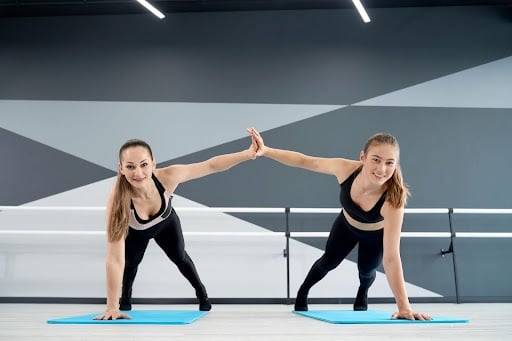
Modern fitness routines are shifting away from generic gym workouts toward structured, personalized coaching. Many individuals now prefer programs that adapt to their schedule, environment, and long-term health goals rather than relying on crowded gyms or fixed routines. This approach focuses on gradual progress, safe technique, and sustainable performance improvements.
One approach that has gained significant attention is working with a bodyweight strength training coach, where exercises use body resistance to build muscle, mobility, and endurance without heavy equipment. Structured guidance ensures that movements are performed safely while helping individuals build functional strength that supports everyday activities.
Understanding the Fundamentals of Strength Training
Strength training is a structured exercise method that uses resistance to develop muscle strength, stability, and endurance. Resistance may come from weights, resistance bands, or bodyweight exercises, depending on the training approach and individual goals. When practiced consistently, it improves muscle tone, bone density, posture, and overall physical capability.
Professional coaching plays a key role in effective strength development. Trainers assess mobility, current fitness levels, and personal objectives before designing a program. This ensures workouts progress safely and systematically rather than relying on random exercise routines that often lead to injuries or stagnation.
Why Personalized Fitness Programs Deliver Better Results
Generic training plans often fail because they overlook individual differences such as mobility limitations, lifestyle patterns, or training history. Personalized fitness programs solve this challenge by adapting every exercise, intensity level, and progression to the person performing the workout.
Customized programs typically begin with a detailed assessment of movement patterns, strength levels, and goals. Trainers then design routines that align with these findings, ensuring that the exercises support measurable progress. This method helps individuals avoid plateaus while maintaining motivation and consistency in their training journey.
Individual Movement Assessments
Professional training often begins with movement assessments that evaluate posture, joint mobility, and muscular balance. These evaluations identify weaknesses or limitations that could increase the risk of injury during workouts.
Once trainers understand these patterns, they can design exercises that strengthen weaker areas while improving movement efficiency. This creates a balanced training program that enhances overall performance rather than focusing only on visible muscle groups.
Structured Progression
Effective strength training requires gradual progression rather than sudden increases in intensity. Trainers monitor improvements in endurance, strength, and technique to adjust workouts at the right time.
This progressive approach helps individuals build muscle safely while maintaining consistent improvement. It also prevents overtraining, which is a common issue when people follow unsupervised routines or increase workload too quickly.
Consistency Through Coaching
One of the biggest challenges in fitness is maintaining long-term consistency. Structured coaching introduces accountability and regular feedback, which helps individuals remain committed to their programs.
Scheduled sessions and measurable progress tracking create a sense of discipline and motivation. As results become visible, individuals are more likely to maintain their routine and continue improving their fitness levels.
Flexible Training Environments for Modern Lifestyles
Fitness programs today are designed to adapt to different lifestyles rather than forcing individuals into rigid schedules. Training sessions may take place at home, outdoors, or in flexible locations depending on convenience and personal preference.
This adaptability makes it easier for people with busy work schedules or family commitments to maintain regular exercise routines. Instead of traveling to a gym, trainers can guide sessions in environments that fit seamlessly into daily life.
Home-Based Coaching
Home training has become increasingly popular because it removes many barriers associated with traditional gyms. Individuals can focus entirely on their workouts without distractions, while trainers supervise technique and progression.
This approach also allows workouts to be customized according to available space and equipment. Many routines rely on minimal equipment or bodyweight movements, making them practical for almost any environment.
Hybrid and Online Training Models
Technology has expanded the possibilities for fitness coaching. Hybrid programs combine in-person sessions with online guidance, allowing trainers to monitor progress and adjust routines even when clients travel or change schedules.
Digital tools also help track performance metrics such as repetitions, endurance levels, and workout consistency. This data helps trainers refine programs and ensure steady improvement over time.
Small Group Training Options
Some individuals prefer a social element in their workouts while still receiving professional guidance. Small group sessions provide this balance by combining structured coaching with group motivation.
These sessions typically include limited participants to maintain personalized attention. Trainers can still monitor technique and provide corrections while participants benefit from the energy and support of a group environment.
The Role of Strength Training in Overall Health
Strength training offers benefits that extend far beyond physical appearance. Regular resistance exercise improves cardiovascular health, enhances metabolism, and supports joint stability, making everyday activities easier to perform.
It also contributes to long-term wellness by reducing the risk of injuries and improving posture. Stronger muscles help stabilize joints and support proper movement mechanics, which becomes increasingly important as people age.
Additionally, strength-focused workouts improve mental well-being. Achieving measurable progress in physical performance often increases confidence and motivation, encouraging individuals to maintain a healthier lifestyle.
Final Thoughts
Structured coaching and personalized programming have transformed the way people approach fitness. Instead of relying on generic workout routines, individuals now benefit from training methods that adapt to their goals, schedules, and physical abilities.
For those seeking guided support, working with a strength training personal trainer in Dubai can provide the structure, technique correction, and progression needed for long-term results. Organizations such as WeTrain demonstrate how personalized coaching, flexible training environments, and technology-supported tracking can help individuals build strength, improve mobility, and maintain sustainable fitness habits.




More Stories
University Finance Clubs in Argentina Often Begin With a Shared MetaTrader 4 Download Session
Why Service Area Details Are So Hard to Find on Bin Cleaning Sites
How Rain and Heat Shape Company Events in South Louisiana