

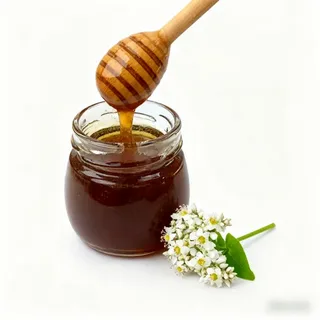
South Africa has a serious fake honey problem. Studies and enforcement actions in recent years have revealed that a large percentage of honey for sale on local shelves is either adulterated with sugar syrups or mislabeled entirely. For everyday shoppers, this makes it difficult to know what is real and what is not. The problem hurts consumers, local beekeepers, and the reputation of South African honey as a whole.
Once you know what to look for on labels, in texture, and in pricing, choosing real, pure honey becomes much easier.
The Fake Honey Problem in South Africa
Fake and adulterated honey has become a widespread issue across the country. Understanding the scale and the common tricks helps you protect yourself.
How Big Is the Fake Honey Issue?
South African authorities have conducted multiple crackdowns in recent years, seizing sugar syrups sold as honey and pulling several brands from shelves for failing purity tests. Local beekeepers lose market share to cheap fakes, and consumers unknowingly pay for products with little to no real honey.
What Counts As Fake or Adulterated Honey?
Fake honey is any product sold as honey that has been diluted, blended, or replaced with cheaper ingredients. Common methods include:
- Adding corn syrup, rice syrup, or cane sugar syrup to stretch volumes
- Labeling products as “honey blends” or “honey flavoured syrup” in small print
- Importing cheap bulk honey from overseas and repacking it as a local product
- Using vague label wording to mislead buyers
How to Read Honey Labels Like an Expert
Labels tell you a lot if you know what to look for. A few seconds of reading can save you from buying a fake product.
Key Wording to Look For (and Avoid)
Always check whether the label says “Product of South Africa” or “Packed in South Africa.” The first means the honey was produced locally. The second means it could be imported honey simply bottled here. In addition, watch out for phrases like “honey-based syrup,” “honey blend,” or “honey-flavoured.” These are not pure honey. Real honey for sale should list only one ingredient: honey.
Origin, Price, and Packaging Clues
Very cheap honey is often a red flag. Producing real honey is labor-intensive, and prices that seem too good to be true usually are. Vague origin information and generic packaging with no farm location or batch number also point to questionable products.
Simple Ways to Spot Real vs Fake Honey at Home
No home test is 100% reliable, but a few checks can help you identify obvious fakes.
Quick Visual and Texture Checks
Real honey is thick and slow to pour. It should not feel watery or flow like syrup. Crystallization over time is a good sign. Real honey crystallizes naturally, while adulterated products often stay clear for months.
Popular Home Tests (And Their Limits)
Here are the most common tests used in South Africa:
- Water test: Drop honey into water. Real honey settles at the bottom. Adulterated honey dissolves quickly.
- Methylated spirits test: Real honey does not dissolve easily in methylated spirits. Adulterated honey turns the liquid milky.
- Spoon flow test: Real honey flows in a thick stream and folds on itself when poured.
- Matchstick test: Dip a matchstick in honey and strike it. Real honey still allows it to light.
These are rough indicators only. They cannot detect advanced adulteration like rice syrup blending. Laboratory testing remains the only definitive method.
Choosing Real, Pure Honey in South African Stores
Where you buy matters almost as much as what you buy. Some outlets are more reliable than others when it comes to stocking genuine honey for sale.
Where to Shop for Trusted Honey
- Supermarkets offer convenience but stock mixed quality. Stick to well-known, tested brands.
- Health stores tend to carry higher-quality options, but always verify labels.
- Farm stalls and local beekeepers sell the most authentic honey because the supply chain is short and direct.
- Traceable brands with clear sourcing and testing information are your safest option.
Questions to Ask and Signs of a Trustworthy Brand
Before buying, look for answers to these questions:
- Where was this honey produced? (Specific region, not only “South Africa”)
- Is the honey irradiated, heated, or filtered?
- What is the floral source?
- Can the brand provide traceability from hive to jar?
- Does the brand publish lab test results or certifications?
A trustworthy brand answers these clearly. If the information is vague or unavailable, consider it a warning sign.
Final Thoughts
Finding real honey in South Africa can take a little attention, but it is worth the effort. Reading labels carefully, choosing transparent producers, and being cautious of unusually low prices can go a long way. When buyers support genuine honey producers, they help protect product quality, support local beekeepers, and encourage a more honest market overall.
For those who prefer honey with clear sourcing and verified quality, Fleures Honey focuses on raw, organic honey that is traceable from hive to table, with independent lab testing to confirm purity. The idea is simple: keep the honey natural, avoid blends or added syrups, and let the product speak for itself.


More Stories
Clear Aligners: A Clearer Way to Achieve a Straighter, Healthier Smile
Oren Shachar and Co-Defendant Abraham Shin Released on Bond in Medicare Case
Justin Jadali on Quantitative Microscopy in Tissue Engineering Research