

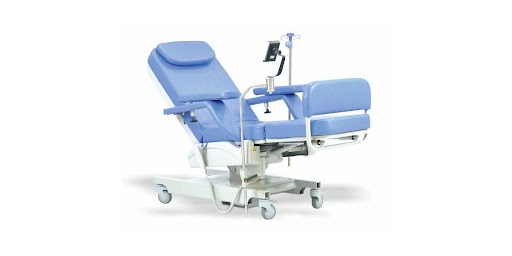
Patient care goes beyond treatment protocols to include comfort during therapy sessions. For long-duration treatments like chemotherapy, hydration therapy, or immunotherapy, specialised seating is essential. Infusion therapy chairs are purpose-built to support patients during prolonged intravenous treatments.
These chairs have evolved from simple seating to advanced units with ergonomic design, adjustability, safety features, and hygienic materials. Used in oncology wards, dialysis units, and IV therapy suites, they enhance patient comfort, streamline clinical workflows, and improve overall treatment experiences for both patients and healthcare providers.
What Are Infusion Therapy Chairs?
At their core, infusion therapy chairs are specialised seating devices used in healthcare settings where patients receive intravenous treatments. Unlike standard waiting room chairs, these units are engineered with specific features that address the physical and clinical needs of patients during prolonged procedures. They provide supportive seating and often allow for adjustable positioning that helps patients remain comfortable during multiple hours of treatment. The design of these chairs anticipates the unique requirements of medical treatment environments, combining clinical functionality with patient comfort.
Clinics that offer IV treatments or procedures involving continuous medical monitoring rely on these chairs because they support patients physically while facilitating easier access for nurses and clinicians. Features such as reclining capability, integrated IV pole holders and ergonomic cushioning make these chairs more practical and comfortable than ordinary seating options.
The Primary Functions in Clinical Use
Infusion therapy furniture serves multiple functions within a clinical setting. While comfort is the most visible aspect for patients, these chairs also support safety, accessibility, workflow efficiency, and hygiene, all of which are critical considerations in healthcare.
Enhanced Patient Comfort
One of the foremost functions of these chairs is to reduce discomfort during extended infusion sessions. IV treatments can often last from 30 minutes to several hours, depending on the therapeutic protocol. During this time, sustained sitting in conventional chairs can lead to muscle strain, fatigue, or circulation issues. Infusion therapy furnitures are designed with adjustable backrests, leg rests, and lumbar support to minimise pressure points, allowing patients to find a comfortable posture that supports relaxation and wellbeing.
Ergonomic cushioning and posture support help reduce the risk of discomfort and soreness, making it easier for patients to remain in the chair for the duration of their procedure. More advanced models offer features like power recline and memory positioning, allowing patients and caregivers to adjust the chair configuration without physical strain.
Facilitating Safe and Accessible Treatment
Safety is a fundamental aspect of infusion therapy furniture. They are designed with features that prevent slips, falls, and unintended movement during treatment. Non-slip armrests, sturdy bases, and locking mechanisms for wheels or casters ensure stability even when patients adjust their position. For patients with limited mobility, adjustable height and leg supports make it easier to enter and exit the chair safely. Some models feature accessible entry heights for those who struggle with standard seating.
Clinically-oriented designs often include integrated holders for IV poles, drip bags, monitors, and accessory trays, keeping essential equipment within reach while allowing staff to provide care efficiently and effectively.
Supporting Clinical Workflow and Care Delivery
Infusion therapy furnitures contribute to the efficiency of healthcare teams. In busy medical environments, nurses and caregivers frequently adjust patient seating positions, monitor vital signs, and manage treatment accessories. Chairs that offer smooth and reliable adjustability help reduce the amount of physical effort required by staff while minimising interruptions to care delivery.
Smooth and intuitive controls on these chairs enable quick transitions between positions that benefit both patients and clinicians. In some cases, features like swivel bases, foot controls or programmable settings allow healthcare providers to make adjustments hands‑free or tailor the chair setup for individual patients, improving workflow and reducing delays.
Hygiene and Infection Control
Infection control is a critical concern in all clinical environments, especially for patients undergoing immunosuppressive therapies or frequent IV treatments. Infusion therapy furniture, including IV infusion chairs, is typically constructed from medical‑grade materials that resist spills, stains, and disinfectants. Upholstery often incorporates antimicrobial surfaces, and seams are minimised to reduce opportunities for microbial growth.
The ability to clean and disinfect every surface effectively helps clinics maintain a safer environment for patients and staff and ensures compliance with healthcare hygiene protocols.
Key Features That Define Function
While all infusion therapy chairs share basic functional goals, specific design elements distinguish them in clinical practice.
- Adjustable Recline and Support: Multi‑position reclining mechanisms allow patients to shift comfortably between upright and reclined positions. For some therapeutic protocols, reclining can reduce strain and help maintain circulation over long treatment sessions.
- Ergonomic Design: Proper lumbar, neck, and leg support helps distribute body weight evenly and relieve pressure points, reducing the risk of stiffness or discomfort over extended periods.
- Integrated Accessory Components: Built‑in IV poles, trays, and storage areas keep essential items within easy reach, helping streamline treatment processes.
- Mobility and Stability Features: Lockable casters or robust base structures ensure that chairs remain stable during care, while still offering flexibility for repositioning when needed.
- Hygienic Materials: Upholstery materials and finishes are selected for ease of cleaning and resistance to medical disinfectants.
The Impact on Patient Experience
Infusion therapy furnitures influence not only physical comfort but psychological wellbeing. Patients who feel supported and comfortable are more likely to approach treatment sessions with reduced anxiety and stress. A positive seating experience can contribute to a more relaxed mindset, helping patients cope better with the demands of their treatment regimen.
By offering a comfortable, supportive, and accessible seating solution, clinics create a therapeutic environment that respects patient needs and improves overall satisfaction with care.
Conclusion
Therapy furniture, including infusion Therapy Chair are essential in modern clinics, offering comfort, safety, and hygiene during extended IV treatments. With ergonomic design, adjustable features, and integrated support for healthcare providers, they enhance patient experience and streamline care. Beyond seating, these chairs play a vital role in improving clinical efficiency, ensuring patient well‑being, and supporting high-quality care delivery in diverse treatment settings.
For healthcare providers seeking reliable clinical furniture, Esthetica Medical Furniture specialises in delivering high‑quality medical seating solutions, including ergonomically engineered infusion therapy furniture tailored to clinical needs. With years of expertise in medical furniture manufacturing, Esthetica offers customised designs, robust materials, and comprehensive support to help healthcare facilities enhance patient comfort, workflow efficiency, and care outcomes. Explore their full range for reliable clinical furnishings.

More Stories
Turning Ideas into Products: The Role of CAD Technology in Product Development
Home Insurance Guide: Protecting Jewellery and Valuable Possessions
From Community Service to Exequatur: The Real Path to an Honorary Consul Appointment