

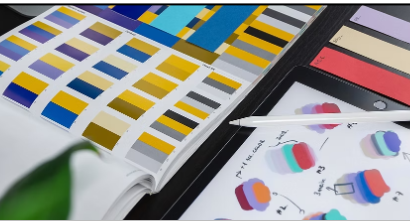
A product idea can begin with a simple sketch, but turning it into something safe, functional, and manufacturable takes careful planning. A toy must feel comfortable in a child’s hands, a storage product must fit everyday spaces, and every component must work as intended. Computer-aided design (CAD) helps transform early concepts into detailed digital models that designers can test and refine before production begins.
For businesses developing children’s products, a kids products design studio can help bridge the gap between imagination and practical design. CAD technology supports this process through accurate modelling, visualisation, and faster design improvements.
Digital Design Methods Transforming Product Development
CAD technology connects creative thinking with technical precision, helping designers develop products that balance appearance, usability, and manufacturing requirements.
1. Turning Initial Ideas into Detailed Digital Models
A rough sketch may communicate an idea, but it rarely provides enough information for manufacturing. CAD software allows designers to convert concepts into detailed three-dimensional models that show dimensions, shapes, proportions, and component relationships.
- Visualise product concepts: Digital models make ideas easier to understand before creating physical prototypes.
- Refine dimensions: Designers can adjust measurements to improve fit, usability, and structural consistency.
- Explore design alternatives: Designers can develop multiple variations without recreating every concept from scratch.
This approach creates a clearer starting point for evaluating whether a product meets its intended purpose.
2. Improving Accuracy Before Manufacturing Begins
Small design errors can lead to expensive production changes. CAD tools help designers check measurements, align components, and spot potential fit issues before manufacturing starts.
- Maintain dimensional accuracy: Precise measurements support consistent product development.
- Check component compatibility: Digital assemblies help reveal potential clashes between individual parts.
- Reduce avoidable rework: Early corrections can limit costly changes later in production.
By addressing technical details digitally, businesses can improve design reliability and establish clearer manufacturing specifications.
3. Making Product Visualisation More Realistic
A digital model can show more than a product’s basic shape. Designers can apply colours, materials, textures, and finishes to create realistic visual representations that communicate the intended appearance.
- Present concepts clearly: Detailed renderings help stakeholders understand proposed designs.
- Compare finishes: Review different colours and materials before ordering physical samples.
- Support informed decisions: Visual comparisons make design discussions more productive.
Realistic visualisation is particularly useful when a product’s appearance plays a major role in customer appeal and purchasing decisions.
4. Supporting Safer and More Practical Children’s Products
Products designed for children require careful consideration of age suitability, usability, materials, and potential hazards. CAD supports the evaluation of shapes, edges, dimensions, and component placement during development.
- Review product geometry: Designers can identify sharp transitions or awkward shapes that require further assessment.
- Consider age-specific needs: Proportions and handling features can be reviewed for the intended age group.
- Prepare for safety testing: Digital documentation can support subsequent physical testing and compliance reviews.
CAD does not replace formal safety testing, but it helps designers identify concerns earlier and make more informed design decisions.
5. Helping Teams Collaborate More Effectively
Product development often involves designers, engineers, manufacturers, and business stakeholders. Shared CAD files provide a common reference that helps these teams review concepts and communicate changes.
- Share design information: Digital models make technical details easier to review across teams.
- Track revisions: Updated files help stakeholders work from current design information.
- Coordinate production requirements: Clear drawings can communicate dimensions and component specifications.
Better collaboration reduces misunderstandings and keeps development aligned with the product’s original objectives.
Creative Product Design Supported by Modern CAD Tools
Effective product development requires more than attractive visuals; it also depends on usability, material selection, manufacturability, and thoughtful refinement.
For businesses creating toys, learning accessories, furniture, or everyday items for children, a kids products design studio can use CAD to explore practical solutions while maintaining a strong focus on the intended user. Designers can assess proportions, review component arrangements, compare alternatives, and prepare detailed models for prototyping. These capabilities make it easier to discuss design decisions before committing to production. Combining creative exploration with technical evaluation helps businesses develop products that are visually appealing, practical to use, and better prepared for manufacturing requirements.
From Digital Prototypes to Production-Ready Products
CAD helps transform digital concepts into physical prototypes and manufacturing-ready designs. Each stage supports practical evaluation and design refinement.
- Evaluating Designs Through Digital Assemblies
CAD assemblies help designers examine how components fit and move together. Identifying interference and alignment issues early can improve designs before physical production.
- Preparing Designs for Prototyping
Refined CAD models guide prototype creation. Physical testing helps teams evaluate dimensions, appearance, assembly, and usability. Feedback informs further improvements before manufacturing.
- Supporting Material and Manufacturing Decisions
Material selection affects durability, weight, cost, and finish. CAD documentation communicates dimensions and construction details, helping teams assess manufacturing tolerances, material limitations, and assembly requirements.
- Maintaining Consistency Across Design Revisions
Products often undergo revisions following testing and feedback. Organised CAD files preserve design information, document changes, and help teams maintain accurate records across project stages and related product models.
- Reducing Delays Through Early Problem Detection
Digital reviews can reveal dimensional inconsistencies, component clashes, and impractical arrangements before production begins. Addressing these concerns early can reduce avoidable revisions and support smoother manufacturing preparation. Although CAD cannot eliminate every production challenge, it helps teams make informed decisions and coordinate design changes more effectively.
Together, these practices connect digital design with practical testing and manufacturing requirements, supporting better coordination, clearer documentation, and more efficient product development from initial concepts to production preparation.
Conclusion: Bringing Innovative Product Ideas to Life
CAD technology has become an important part of modern product development, connecting creative concepts with accurate modelling, visualisation, prototyping, and manufacturing preparation. By identifying potential issues early and supporting collaboration, it helps businesses make better-informed design decisions and develop products with greater confidence. Success still depends on user research, engineering expertise, physical testing, and appropriate manufacturing processes.
Businesses seeking a capable CAD design company in India can consider Studio 701 for design-led product development support. Their product design approach can help transform early concepts into considered designs, bringing creativity and technical planning together to move ideas closer to practical, manufacturable products.



More Stories
Home Insurance Guide: Protecting Jewellery and Valuable Possessions
From Community Service to Exequatur: The Real Path to an Honorary Consul Appointment
Southern Odisha’s Service Contract – What TPSODL Owes Its Paying Consumers