

In the realm of industrial maintenance and machinery longevity, the significance of seemingly minor components often goes unnoticed. One such component, the flat washer, plays a pivotal role in ensuring the durability and optimal performance of equipment across various sectors. A recent article on The Hotline Times delves into this subject, highlighting how high-quality flat washers contribute to extending equipment lifespan.
Understanding the Function of Flat Washers
Flat washers are unassuming, disc-shaped components with a central hole, designed to distribute the load of threaded fasteners like bolts and nuts. Their primary function is to spread the force exerted by the fastener over a larger surface area, thereby reducing the risk of damage to the connected materials.
This load distribution is crucial in preventing indentation, warping, or other forms of material degradation that can compromise the integrity of an assembly.
Applications and Use Cases of High-Quality Flat Washers
The versatility of flat washers makes them indispensable in a multitude of applications across various industries. Their ability to enhance joint integrity, prevent corrosion, and maintain tension under dynamic conditions underscores their importance in both everyday and specialized uses.
1. Automotive Industry
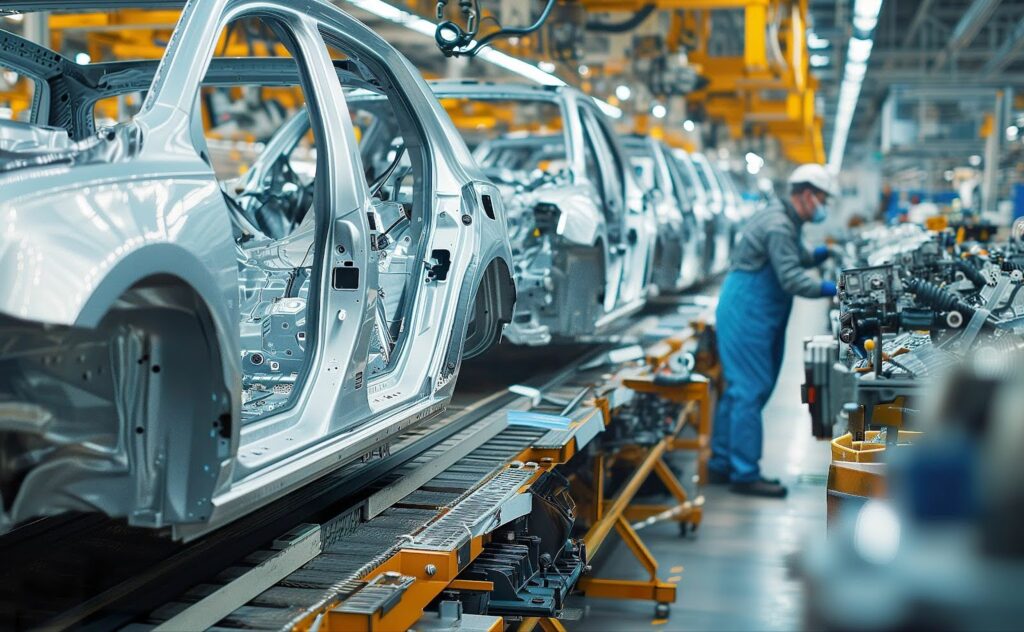
In automotive manufacturing and maintenance, flat washers are essential components that contribute to vehicle safety and performance. They are utilized in critical areas such as engine assemblies, transmission systems, and suspension setups.
By distributing the load evenly, flat washers prevent stress concentrations that could lead to component failure under the high-vibration conditions typical of automotive environments. Moreover, in applications where components are made of softer materials, such as aluminum or certain composites, flat washers serve to protect these parts from being marred or deformed by fasteners.
2. Construction and Infrastructure
The construction industry relies heavily on flat washers to ensure the structural integrity of buildings, bridges, and other infrastructures. In scenarios where wooden components are fastened, flat washers prevent the bolt head or nut from embedding into the wood, thereby maintaining the strength and appearance of the structure.
Additionally, in steel constructions, flat washers are used to bridge differences in hole sizes, ensuring a secure and stable connection. Their role in distributing loads helps in accommodating the thermal expansion and contraction of materials, which is vital in maintaining the longevity of structures exposed to varying environmental conditions.
3. Electrical and Electronics Sector
In the assembly of electrical and electronic devices, flat washers serve both mechanical and electrical functions. They provide necessary spacing and load distribution in delicate assemblies, ensuring that components are not subjected to undue stress that could affect their performance.
Furthermore, flat washers made from insulating materials are used to prevent electrical shorts by providing a barrier between conductive parts. This is particularly important in preventing accidental grounding and ensuring the safety and reliability of electronic devices.
4. Aerospace Applications
The aerospace industry demands components that can withstand extreme conditions, including significant temperature fluctuations and constant vibration. High-quality flat washers are employed in various aerospace assemblies to maintain joint integrity under these challenging conditions.
They help in distributing loads and preventing loosening of fasteners, which is critical in applications where failure is not an option. The use of flat washers in aerospace applications also aids in the uniform transfer of loads, reducing the risk of material fatigue and extending the service life of components.
5. Marine and Offshore Environments
In marine applications, components are regularly exposed to corrosive environments due to saltwater. Flat washers made from corrosion-resistant materials, such as stainless steel or specialized polymers, are essential in these settings.
They prevent galvanic corrosion between dissimilar metals and ensure the longevity of assemblies exposed to harsh marine conditions. By providing a stable and secure fastening solution, flat washers help in maintaining the structural integrity of marine vessels and offshore platforms.
6. Household Appliances and Furniture
Beyond industrial applications, flat washers are commonly used in household items and furniture assembly. They ensure that screws and bolts do not damage surfaces, especially when dealing with materials like wood or plastic.
In furniture assembly, flat washers help in distributing the load, ensuring that joints remain tight and components do not crack under pressure. Their use contributes to the durability and aesthetic appeal of household items by preventing surface damage and ensuring stable assemblies.
The Importance of Material Selection
The effectiveness of flat washers is significantly influenced by the materials from which they are manufactured. Common materials include stainless steel, brass, aluminum, and various polymers, each offering distinct advantages:
- Stainless Steel: Offers excellent corrosion resistance, making it suitable for marine and outdoor applications.
- Brass: Provides good conductivity and corrosion resistance, ideal for electrical applications.
- Aluminum: Lightweight with good corrosion resistance, suitable for aerospace and automotive industries.
- Polymers (e.g., Nylon): Offer electrical insulation and resistance to moisture, making them suitable for electronic applications.
Selecting the appropriate material ensures that the flat washer performs effectively under specific environmental conditions and load requirements.
Ensuring Quality and Compliance
To fully benefit from the use of flat washers, it is imperative to source them from reputable manufacturers who adhere to industry standards and quality controls. High-quality flat washers are manufactured with precise dimensions and undergo rigorous testing to ensure they can withstand specified loads and environmental conditions.
Utilizing substandard washers can lead to premature equipment failure, safety hazards, and increased maintenance costs.
The often-overlooked flat washer is a cornerstone in the foundation of equipment durability and reliability. Its role in load distribution, material protection, and maintaining joint integrity is indispensable across a wide array of industries. Investing in high-quality flat washers not only enhances the performance and lifespan of equipment but also contributes to safety and efficiency in operations.




More Stories
Turning Ideas into Products: The Role of CAD Technology in Product Development
Home Insurance Guide: Protecting Jewellery and Valuable Possessions
From Community Service to Exequatur: The Real Path to an Honorary Consul Appointment