

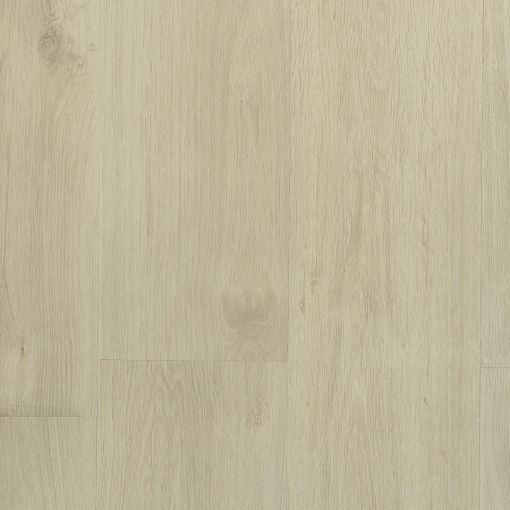
Installing Cordalera flooring on a concrete subfloor is a popular choice for both residential and commercial projects. The reason it works so well on concrete is its 72% stone content and fully waterproof SPC core, which handles moisture-heavy environments where traditional hardwood would struggle.
That said, concrete carries a hidden risk that catches many installers off guard. Moisture sits deep inside the slab even when the surface feels completely dry. Left unchecked, it leads to warping, mold, and adhesive failure months after installation. Proper subfloor preparation is what allows the product to deliver on its performance and warranty. Skipping this step is how most concrete installation failures begin.
Why Concrete Subfloors Need Extra Attention
You might assume that once concrete is poured and cured, it’s ready for flooring. In most cases, it’s not. Every slab starts as a water-heavy mix that needs time to dry, and a standard pour takes about one month per inch of thickness. Rushing this timeline is a major reason installations fail.
Even after full curing, moisture can travel upward through capillary action from the soil beneath the slab. Below-grade spaces like basements face the highest risk because the ground stays damp year-round. The surface may look dry, but moisture trapped deeper inside the slab can still be high enough to cause problems once the flooring goes down. The numbers tell the story clearly.
- $2.4 billion is spent yearly in North America on moisture-related flooring failures.
- Root Cause Most trace back to skipped subfloor preparation.
- A simple moisture test can prevent thousands of dollars in future damage.
What Moisture Barrier Does Cordalera Recommend?
Cordalera’s installation guidelines require a 6 mil polyethylene film when installing over concrete. This layer sits between the slab and the planks, blocking vapor from reaching the product.
For slabs showing higher moisture readings or known water issues, a liquid moisture barrier offers stronger protection. It seals directly into the concrete, making it a better option for basements or older buildings where the original vapor retarder may be damaged or missing. Here is what you need to focus on when choosing:
- 6 mil polyfilm is the minimum for concrete installs.
- Liquid barriers are better for high-moisture slabs.
- At least 6 inches of overlap, taped at every joint.
- No barrier means no warranty coverage.
How to Prepare a Concrete Subfloor
Getting the slab ready is where the real work happens. Follow these steps in order:
- Check the Surface Condition: The slab must be clean, flat, dry, and structurally sound. Look for cracks, loose material, or any debris that could interfere.
- Verify Flatness: No more than 3/16 of an inch variation over 10 feet or 1/8 of an inch over 6 feet. Use a 10-foot straight edge to identify problem areas quickly.
- Level and Patch: Fill low spots and grind high points using a Portland-based leveling compound. Let it fully cure before moving to the next step.
- Remove Carpet Completely: Pull it up along with any padding underneath. Installation over carpet is not allowed.
- Evaluate Existing Hard Surfaces: Tile or sheet vinyl can stay only if flat, clean, and firmly bonded. Remove cushioned vinyl because soft substrates weaken the click-lock system.
- Clean Adhesive Residue: Never use solvent-based or citrus removers because chemical residue can damage new flooring over time. Always stick to manufacturer-approved cleaning methods to keep your floors safe and lasting longer.
Temperature and Climate Control During Installation
Climate plays a bigger role in SPC installations than most people expect. Your space needs to be at normal living conditions before, during, and after the work is done. A few requirements matter most.
- Sunlight causes expansion and discoloration in vinyl.
- Window Protection: Drapes, blinds, or UV film required in sunny rooms.
- ASTM Standard: Below 75% relative humidity before installation.
- Radiant heat needs a half-inch minimum separation from the product.
If you have radiant heating, avoid running the system at full power during or right after installation. The heat can stress the planks and loosen joints over time. Let the floor settle at room temperature first before turning the system back on.
Getting the Click-Lock System Right
Cordalera uses the Valinge 2.0 locking system, and contractors favor it for its ease of use and tight fit. Getting the best results comes down to these steps.
1. Start Against an Outside Wall
Place your first row along an exterior wall and work inward across the room.
2. Place Spacers Along Every Edge
Use 1/4-inch spacers along all walls and fixed objects. This gap allows the floor to expand and contract naturally. Leaving it out leads to buckled seams.
3. Inspect Every Plank Before Cutting
Check for damage, warping, or defects. Once a plank is cut or installed, it cannot be returned.
4. Use the Right Tools
A tapping block, rubber mallet, and pull bar lock joints cleanly without force. Avoid using anything that could crack or chip the plank edges.
5. Finish All Other Construction First
Dust, debris, and wet trades can compromise both the subfloor and the flooring. Bring planks into the space only after every other trade has finished.
Bottom Line
Proper preparation is the key to a successful Cordalera flooring installation on concrete. Paying attention to moisture levels, ensuring a flat and clean subfloor, and controlling temperature and humidity during installation prevent costly failures and keep your floor looking great for years. Following the recommended steps ensures the warranty remains valid and the finished product performs as designed.
For contractors and installers, having access to the right materials and guidance makes all the difference. Rustic Wood Floor Supply supports Cordalera projects by providing high-quality subfloor prep materials, moisture barriers, and tools, along with expertise to help every installation go smoothly. With resources available across multiple locations, teams can focus on precise installation while knowing they have the support they need behind the scenes.



More Stories
University Finance Clubs in Argentina Often Begin With a Shared MetaTrader 4 Download Session
Why Service Area Details Are So Hard to Find on Bin Cleaning Sites
How Rain and Heat Shape Company Events in South Louisiana