

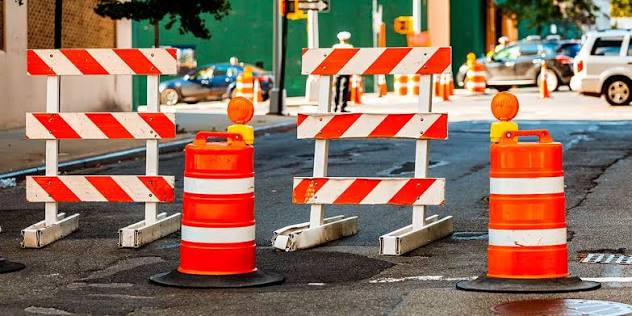
Managing vehicle and pedestrian movement is an important part of maintaining safety around construction sites, roadworks, events and temporary work areas. Traffic barriers and road barricades can both control access and guide people or vehicles, but they serve different purposes. Understanding their differences can help you select a solution that suits the site and the level of protection required.
What Are Traffic Barriers?
Traffic barrier are physical systems used to separate vehicles from people, equipment or restricted areas. They can help define traffic routes, protect work zones and reduce the likelihood of vehicles entering areas where they should not be.
Depending on the design, barriers may be temporary or permanent and can range from lightweight systems for basic traffic management to heavy-duty products intended for more demanding environments.
The appropriate barrier depends on factors such as vehicle type, expected traffic, site layout and the level of physical protection required.
What Are Road Barricades?
Road barricades are generally used to block, restrict or redirect access around temporary work areas. They can indicate that a road, lane, pathway, or section of a site is closed, or that traffic needs to follow an alternative route.
Barricades are often useful for short-term traffic management because they can be positioned, moved or removed as site conditions change. Depending on the product, they may also provide high visibility through reflective elements or contrasting colours.
Traffic Barriers vs Road Barricades
Although both products can support site safety, their primary functions differ.
| Feature | Traffic Barriers | Road Barricades |
| Main purpose | Separate and protect areas | Block or redirect access |
| Typical use | Work zones, pedestrian separation and vehicle control | Roadworks, closures and temporary restrictions |
| Protection level | Can range from basic separation to impact protection | Generally focused on visibility and access control |
| Mobility | Depends on the barrier type | Often designed for temporary repositioning |
| Best suited to | Sites requiring defined physical separation | Short-term closures and traffic direction |
Which One Should You Choose?
Consider the site’s requirements before selecting a product.
- Choose traffic barriers when you need physical separation between vehicles and people or work areas.
- Choose road barricades when the primary need is to close, restrict or redirect access.
- Consider visibility where the product will be used around moving vehicles or pedestrians.
- Assess site conditions including traffic volume, vehicle types and available space.
- Check applicable requirements to ensure the selected product fits the location and intended use.
Why Correct Placement Matters
Even an appropriate barrier or barricade needs to be positioned correctly to perform its intended function. Placement should account for vehicle paths, pedestrian movement, visibility and access requirements.
Check temporary traffic controls regularly, especially when site conditions change. Construction activity, weather, vehicle movements, or changes to pedestrian routes may require repositioning barriers or barricades.
Conclusion
Traffic barriers and road barricades can both contribute to safer work and public areas, but they serve different roles. Traffic barriers are generally better suited to physical separation and protection, while road barricades are useful for temporary closures, access control and traffic direction. Consider the site’s layout, traffic conditions, required protection and intended duration before choosing the most suitable solution.




More Stories
Home Insurance Guide: Protecting Jewellery and Valuable Possessions
From Community Service to Exequatur: The Real Path to an Honorary Consul Appointment
Southern Odisha’s Service Contract – What TPSODL Owes Its Paying Consumers