

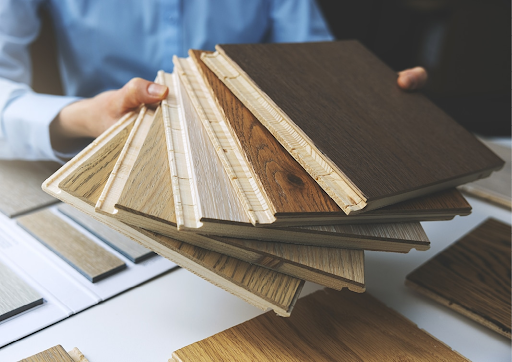
The price difference between wholesale and retail flooring can be significant, and that gap raises an obvious question: What are you actually giving up? The honest answer is that wholesale engineered hardwood flooring and retail products are often sourced from the same manufacturers, carry the same specifications, and perform identically on the floor.
The difference is usually in the service, support, and quality control that surrounds the product rather than the product itself. But not always. Understanding where quality stays consistent and where it genuinely diverges is what separates a smart purchase from an expensive mistake.
Where Quality Can Be The Same
Many wholesale outlets sell the same engineered flooring lines you find in retail showrooms.
Same Brands, Same SKUs at Different Price Points
Wholesale distributors frequently stock the same manufacturer lines, same specifications, and same warranty terms as retail showrooms. The difference is the margin. Retail builds in the cost of displays, staff expertise, and customer support. Wholesale removes most of that overhead and passes the savings to the buyer.
Premium products with thick wear layers and certified cores deliver the same result regardless of which channel they came through. Buyers who can verify specifications independently access the same quality at a lower price point without sacrificing anything on the floor itself.
When the Specs Match the Quality Matches
If two products carry identical wear layer thickness, the same core construction, and the same certifications, they perform identically regardless of where they were purchased. As a result, buyers who know how to read flooring specifications can access genuine quality through wholesale at a meaningful price advantage.
Where Wholesale Quality Often Differs
The quality gap between wholesale and retail is real in specific situations.
Full Grade Range vs. Curated Best
Retail showrooms curate their selections around products that install predictably and generate minimal complaints. Wholesale carries the full grade spectrum without that filter.
A low wholesale price often reflects:
- Thinner wear layers that limit refinishing potential over the floor’s life
- Greater colour variation between planks within the same lot
- Cosmetic defects that retail would have filtered out before the product reached the shelf
This doesn’t make the product unusable, but it does mean the buyer needs the experience to evaluate what they’re looking at before committing to a full order.
As-Is Material and Less Quality Control
Wholesale sales are typically as-is. The responsibility for inspecting lot consistency, checking moisture content, and identifying damage sits entirely with the buyer or their contractor. Retail pre-sorts product, handles obvious defects, and backs purchases with return policies that wholesale channels rarely match. A buyer without flooring experience takes on a quality control function that they may not be equipped to perform accurately.
How Retail Protects Quality Beyond the Plank
Retail doesn’t only sell flooring. It sells a supported purchase.
Expert Guidance and Use Case Matching
Retail showrooms guide buyers through decisions that directly affect floor performance. Veneer thickness needs to match traffic levels and refinishing expectations. Core construction matters for humid environments or radiant heat installations. Species and grade selection should align with subfloor conditions before any purchase is finalized. Getting these decisions wrong leads to product failure regardless of how good the floor itself is.
Warranties and Installation Support
Retailers bundle manufacturer warranties with in-house installation guarantees. If a floor fails, the resolution path is clear and supported. With wholesale, the buyer owns both the product risk and the installation outcome independently, with no intermediary to manage the process when something goes wrong.
The Real Quality Checklist Regardless of Channel
These specifications determine flooring quality, whether you buy wholesale or retail.
Verify all of the following before purchasing any engineered hardwood product:
- Wear layer thickness: 2mm is the entry level, while 4mm to 6mm supports multiple refinishes
- Core construction: High-density fibreboard and Baltic birch plywood outperform low-density cores in stability and moisture resistance
- Finish system: UV-cured aluminium oxide provides superior durability over standard polyurethane
- Certifications: FloorScore and CARB2 confirm air quality compliance and formaldehyde emission limits
- Moisture content: Confirm within the manufacturer’s specified range at delivery before installation begins
- Grade: Affects appearance consistency rather than structural performance or lifespan
When these specs match across a wholesale and retail product, the boards are functionally identical. The trade-off is support and risk allocation, not the floor itself.
When Wholesale Works and When Retail Is Safer
The right channel depends on who is buying and what they bring to the purchase.
Good Candidates for Wholesale
Wholesale consistently makes sense for experienced contractors who inspect lots routinely and know what to reject on delivery. It also works well for larger projects where volume pricing produces meaningful savings. Buyers who are comfortable with minor cosmetic variation and have proper storage to acclimate the product correctly before installation are also well-suited to the wholesale channel.
When Retail Is Worth the Markup
Retail is the safer choice in these specific situations:
- Homeowners without flooring knowledge who cannot reliably evaluate specifications or lot consistency on delivery
- Tricky installations involving radiant heat, high moisture environments, or unusual subfloor conditions, where specialist guidance prevents costly mistakes
- Anyone needing a strong warranty with a clear and accessible claims process backed by an accountable retailer
- Small projects where wholesale savings don’t offset the inspection, logistics, and storage requirements involved
Takeaway
The quality of engineered hardwood flooring is determined by its specifications, not by where it was purchased. When the specs match, wholesale and retail products perform identically. The real difference is what surrounds the transaction: guidance, quality control, and warranty support.
Rustic Wood Floor Supply offers wholesale engineered hardwood flooring with full specification transparency, verified lot consistency, and knowledgeable support on every order. You get the wholesale price advantage without navigating the technical details alone. Browse the full range and buy with confidence.



More Stories
University Finance Clubs in Argentina Often Begin With a Shared MetaTrader 4 Download Session
Why Service Area Details Are So Hard to Find on Bin Cleaning Sites
How Rain and Heat Shape Company Events in South Louisiana