

Businesses across industries continue to adopt remote and hybrid work models to improve workforce flexibility and operational continuity. However, distributed work environments also create challenges related to visibility into productivity, communication, and workload management across teams with different locations and schedules. Organizations often struggle to maintain operational consistency when managers lack real-time insights into workflows and workforce utilization. This is where remote employee management software helps businesses improve operational visibility, monitor productivity trends, and support better coordination across distributed teams.
Common Challenges in Managing Distributed Teams
Managing distributed teams becomes difficult when organizations lack operational visibility and workflow consistency. Businesses managing remote employees often experience coordination issues that affect productivity, communication, and decision-making. Some of the most common operational challenges include:
- Limited Visibility: Managers may struggle to understand workflow progress and employee productivity across remote locations.
- Communication Delays: Distributed teams may experience slower collaboration and delayed information sharing.
- Uneven Workload Distribution: Some employees may handle excessive workloads while others remain underutilized.
- Manual Reporting Dependencies: Businesses that rely on manual updates may experience delays in operational decision-making.
- Workflow Inefficiencies: Lack of real-time workforce insights can make operational bottlenecks harder to identify.
These operational gaps highlight the importance of centralized workforce visibility and real-time productivity insights in distributed work environments. Businesses increasingly rely on digital workforce monitoring solutions to improve coordination, maintain accountability, and support more efficient remote operations.
How Remote Employee Management Software Improves Workforce Visibility
Organizations managing distributed teams require better operational insights to maintain productivity consistency and improve accountability across departments. Remote employee management software helps businesses monitor workforce activity, utilization patterns, and workflow progress through centralized operational visibility. Key operational benefits include:
- Real-Time Activity Visibility: Managers can monitor workflow progress and identify operational delays across teams.
- Utilization Insights: Businesses can understand workload distribution and identify underutilized resources.
- Centralized Workforce Data: Workforce insights from multiple departments can be monitored through a single dashboard.
- Reduced Manual Reporting: Automated workforce analytics improve reporting accuracy and reduce dependency on manual updates.
- Faster Operational Decisions: Real-time operational insights help managers respond more quickly to workflow disruptions.
These capabilities help organizations improve workforce coordination and maintain operational consistency across distributed environments. Better workforce visibility also supports faster decision-making and helps businesses more effectively identify productivity gaps and resource allocation issues.
Supporting Productivity Across Hybrid and Remote Teams
Productivity management remains a major concern for organizations operating in distributed and hybrid work environments. Businesses require visibility into workflow trends and operational efficiency without creating unnecessary pressure on employees working remotely across different teams and locations.
Workforce analytics tools help organizations understand work patterns, application usage, and workflow continuity across distributed operations. These operational insights support better planning, improve productivity visibility, and help businesses maintain coordination between remote and office-based employees more effectively.
How Workforce Analytics Help Managers Make Better Decisions
Workforce analytics provide operational insights that help businesses improve planning, productivity monitoring, and resource allocation across distributed teams. Organizations use workforce data to identify operational gaps and improve efficiency through more informed management decisions. Workforce analytics support managers in several ways:
- Operational Bottleneck Detection: Managers can identify workflow disruptions and recurring operational inefficiencies earlier.
- Better Resource Allocation: Workforce utilization insights support balanced workload distribution across departments.
- Improved Workforce Planning: Businesses can make staffing decisions based on productivity and utilization trends.
- Early Burnout Identification: Managers can recognize excessive workload patterns before productivity declines.
- Performance Trend Analysis: Operational data helps organizations understand long-term workforce productivity patterns.
These insights help organizations improve operational efficiency while supporting better workforce management across distributed environments. Businesses can also make faster strategic decisions by using workforce analytics to monitor productivity trends and identify operational risks more accurately.
Importance of IT Asset Visibility in Distributed Work Environments
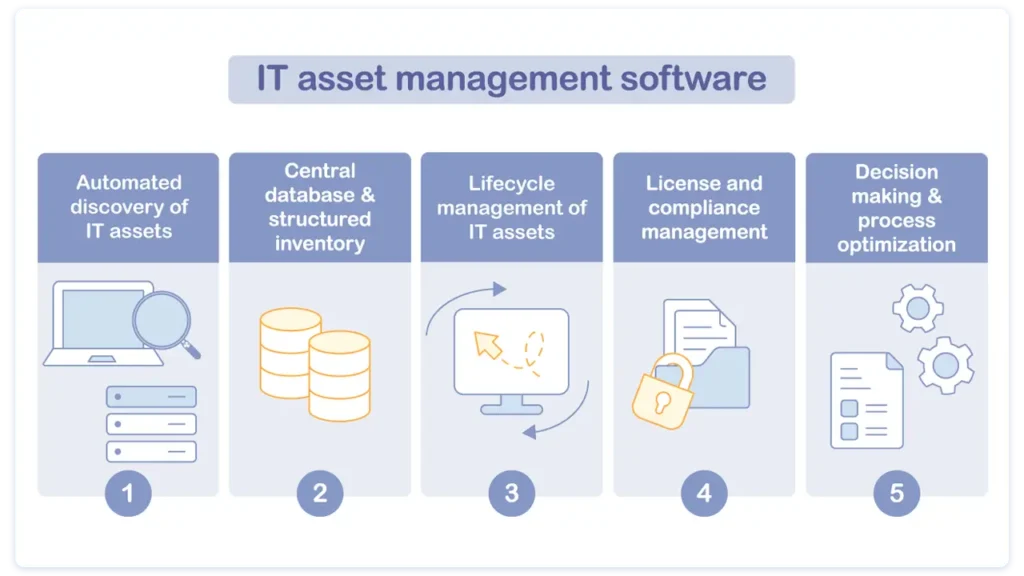
Distributed work models rely heavily on business applications, collaboration platforms, cloud systems, and remote work tools that support daily operations. Managing technology usage across multiple locations becomes difficult when organizations lack centralized visibility into workforce technology patterns. Some important functions supported by asset IT management software include:
- Application Usage Visibility: Businesses can understand how employees use operational applications across distributed teams.
- Software Utilization Insights: Organizations can identify underutilized tools and improve software allocation decisions.
- Workforce Technology Monitoring: Managers can maintain better visibility into technology usage trends across departments.
- Centralized Technology Oversight: Businesses can monitor workforce-related technology activity through unified reporting systems.
- Operational Continuity Support: asset IT management software helps organizations maintain smoother remote and hybrid work operations.
Improved technology visibility helps businesses support workforce productivity while maintaining better oversight across distributed work environments. Organizations can also use utilization insights to improve software planning and support more efficient digital workplace operations.
Conclusion
Distributed work environments require stronger operational visibility, workforce coordination, and productivity monitoring across multiple locations. Without centralized oversight, businesses may experience workflow inefficiencies, communication delays, and workload imbalance that affect operational performance. Workforce analytics and visibility tools help organizations improve decision-making, resource allocation, and productivity management across distributed teams. By providing centralized operational insights, remote employee management software helps businesses maintain operational consistency and support long-term success in remote and hybrid work environments.




More Stories
Turning Ideas into Products: The Role of CAD Technology in Product Development
Home Insurance Guide: Protecting Jewellery and Valuable Possessions
From Community Service to Exequatur: The Real Path to an Honorary Consul Appointment