

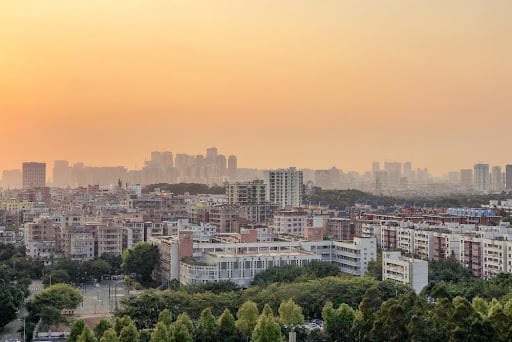
Vrindavan is steadily evolving from a deeply spiritual town into a structured and promising real estate destination. Over the past few years, growing investor awareness has increased demand for property in Vrindavan, not only for personal use but also as a long-term investment. What makes this location unique is its ability to combine cultural significance with consistent economic activity driven by tourism and infrastructure growth.
Unlike rapidly changing metro cities where prices can fluctuate sharply, Vrindavan follows a more stable growth path. Its value is shaped by long-standing devotional importance, continuous visitor inflow, and gradual urban development. This creates a market where long-term holding is often more rewarding than short-term trading.
Spiritual Tourism Driving Continuous Demand
Vrindavan remains one of India’s most important pilgrimage destinations, attracting millions of visitors every year. This constant movement of people plays a direct role in shaping real estate demand across residential and commercial segments.
Key demand factors include:
- Regular inflow of domestic and international pilgrims
- Festival-driven occupancy peaks throughout the year
- Increasing preference for spiritual stay experiences
- Rising demand for managed accommodations and rental homes
Because tourism does not depend on a single season, Vrindavan maintains steady economic activity throughout the year. This ensures that housing demand, rental occupancy, and property usage remain consistent across cycles, making it a reliable market for long-term investment planning.
Infrastructure Development Strengthening Value
Infrastructure improvement is one of the strongest reasons behind the rising interest in Vrindavan real estate. Over time, the region has seen steady upgrades that enhance accessibility and livability.
Important developments include:
- Better road connectivity with Delhi NCR, Agra, and Mathura
- Expansion of expressways and highway networks
- Improved internal transport routes within the city
- Enhanced public utilities and civic infrastructure
- Gradual development of organized urban planning zones
These upgrades reduce travel time, improve convenience for visitors, and make residential living more practical. As accessibility improves, property values tend to rise steadily, supporting long-term appreciation for investors.
Shift Toward Organized Real Estate Development
Vrindavan’s property market has transitioned significantly from unstructured land transactions to organized residential development. This shift has improved transparency and buyer confidence.
Current development trends include:
- Planned residential layouts and gated communities
- Builder floors with structured architecture
- Better land regulation and documentation clarity
- Focus on livability and modern design standards
- Integration of amenities within housing projects
This transformation is important because structured development reduces uncertainty for buyers. It also improves long-term resale value and ensures better quality of construction, which strengthens investor trust in the region.
Rental Income and Investment Stability
Vrindavan offers strong rental potential due to its continuous tourist and pilgrimage activity. Investors often consider this market for both capital appreciation and recurring income generation.
Popular rental models include:
- Furnished apartments for short-term pilgrims
- Guesthouses near major temple zones
- Service apartments for extended stays
- Festival-season accommodation rentals
- Long-term housing for devotees and caretakers
The consistency of demand across the year ensures that properties do not remain idle for long periods. This creates a balanced investment model where owners benefit from both occupancy-driven income and long-term appreciation.
Emotional and Cultural Connection to Property
One of the most unique aspects of Vrindavan’s real estate market is the emotional connection buyers have with the location. Many investors are motivated by spiritual beliefs, cultural attachment, and personal devotion.
This leads to:
- Strong preference for long-term ownership
- Lower speculative selling activity
- Generational holding of assets
- Stable demand from religious families
Because of this emotional dimension, the market tends to remain stable even when external economic conditions fluctuate. This stability is one of the reasons investors see Vrindavan as a secure long-term destination.
Buyer Perspective and Investment Approach
Investors in Vrindavan generally fall into different categories, each with a distinct objective:
- Spiritual buyers looking for personal living spaces
- Investors focusing on rental income
- Long-term holders seeking appreciation
- NRI buyers exploring cultural connection investments
Each group contributes to market diversity and demand stability. Long-term investors, in particular, focus on location quality, project credibility, and connectivity factors before making decisions.
Areas closer to temples, main pilgrimage routes, and developed infrastructure zones tend to attract stronger interest due to higher usability and rental potential.
Role of Structured Development in Market Growth
As Vrindavan continues to evolve, structured development is playing an important role in improving overall market quality and buyer confidence. The shift from unorganized land dealings to planned residential projects has made the real estate environment more transparent and dependable.
Modern development practices now focus on better planning, improved construction standards, and clearer documentation. This has helped buyers make more informed decisions while reducing market uncertainty.
Key improvements include:
- Better planned residential layouts
- Improved construction quality standards
- Clearer legal and ownership processes
- Focus on livability and long-term usability
These changes are gradually transforming Vrindavan into a more organized housing destination. As a result, demand for property in Vrindavan is becoming more stable, with increased interest from long-term investors and end-users who prefer structured and well-planned living spaces.
Overall, organized development is strengthening trust in the market and supporting steady appreciation across the region.
Long-Term Market Outlook
Vrindavan’s real estate future looks stable and steadily progressive. Unlike volatile urban markets, its growth is anchored in cultural significance and structured development rather than speculation.
Key growth drivers include:
- Expanding religious tourism infrastructure
- Continuous improvement in transport connectivity
- Rising demand for spiritual housing solutions
- Increased interest from long-term investors and NRIs
- Development of modern residential clusters
As these factors strengthen, the demand for property in Vrindavan is expected to remain consistent. The city’s evolution into a more structured residential destination further supports its long-term value potential.
Conclusion
Vrindavan represents a rare blend of spiritual importance and steady real estate development. Its consistent tourism flow, improving infrastructure, and increasing presence of structured housing projects create a strong foundation for long-term investment growth.
Developers like Amaira Group support this shift by offering premium, fully furnished homes that balance modern living with Vrindavan’s cultural identity. With 15+ years of experience and 300+ satisfied clients, they are known for integrated real estate, construction, and design services that strengthen trust in real estate in Vrindavan among long-term investors.




More Stories
Turning Ideas into Products: The Role of CAD Technology in Product Development
Home Insurance Guide: Protecting Jewellery and Valuable Possessions
From Community Service to Exequatur: The Real Path to an Honorary Consul Appointment