

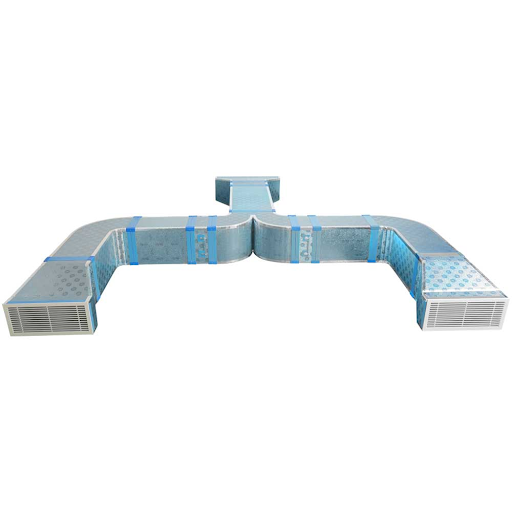
Efficient heating, ventilation, and air conditioning (HVAC) systems are crucial for maintaining comfort and energy efficiency in residential, commercial, and industrial buildings. One key aspect of optimizing HVAC systems is ensuring that air distribution is effective while minimizing energy losses. Custom insulated ductwork solutions in UAE have become increasingly popular as building owners and facility managers seek ways to improve system performance, reduce energy costs, and maintain indoor air quality. These solutions are designed to suit specific project requirements, including temperature control, building layout, and environmental conditions.
Understanding the Importance of Insulated Ductwork
Insulated ductwork serves multiple purposes in an HVAC system. Beyond simply channeling air from one point to another, it helps regulate temperature, prevent condensation, and reduce energy consumption. Some of the primary benefits include:
- Energy Efficiency: Insulated ducts prevent thermal losses, ensuring that conditioned air reaches its destination at the intended temperature, which reduces the load on HVAC units.
- Improved Comfort: Consistent air temperature throughout spaces avoids hot or cold spots, enhancing occupant comfort.
- Condensation Control: Proper insulation prevents moisture accumulation on duct surfaces, which could otherwise lead to corrosion or mold growth.
By understanding these advantages, building owners can make informed decisions when selecting materials and designs for ductwork installations.
Types of Ductwork Insulation
The selection of insulation for ductwork depends on project specifications, budget, and desired performance. Common types include:
- Fiberglass Insulation: A popular choice for both supply and return ducts, fiberglass offers excellent thermal resistance and noise-dampening properties.
- Foam Board Insulation: Lightweight and easy to install, foam boards provide good thermal resistance and are often used in commercial buildings.
- Flexible Duct Insulation: Flexible insulated ducts can be routed easily in tight spaces, making them suitable for complex architectural designs.
Selecting the right insulation type ensures that HVAC systems operate efficiently while meeting the specific requirements of the building environment.
The Role of Custom Insulated Solutions
At the midpoint of any large-scale construction or renovation project, attention to HVAC efficiency becomes crucial. At this stage, custom insulated ductwork solutions in UAE ensure that the system performs as intended without costly rework.
Custom solutions provide flexibility in design adjustments, allowing for real-time optimization of airflow paths and insulation placement. Contractors can implement modifications without compromising structural integrity or thermal performance, making these solutions highly valuable in complex projects.
Key Considerations for Installation
Proper installation is critical to achieving the desired performance from HVAC systems. Several factors need careful attention:
- Duct Sizing: Oversized or undersized ducts can lead to airflow issues, energy inefficiency, and increased noise levels.
- Sealing and Joints: Tight seals and well-constructed joints prevent air leakage, ensuring that conditioned air reaches all areas effectively.
- Insulation Thickness: The right insulation thickness depends on factors such as ambient temperature, duct location, and energy efficiency targets.
Engaging experienced contractors ensures that these considerations are properly addressed, enhancing the longevity and efficiency of the system.
Enhancing Indoor Air Quality
The quality of indoor air is a major concern for health and comfort. Insulated ductwork plays a role in maintaining clean, healthy air by reducing the risk of contamination and moisture buildup. Benefits include:
- Reduction of Mold and Bacteria: Properly insulated and sealed ducts minimize condensation, preventing conditions that support microbial growth.
- Consistent Airflow: Balanced air distribution reduces the concentration of pollutants in specific areas, improving overall indoor air quality.
- Integration with Filtration Systems: Ductwork can be designed to accommodate high-performance air filters, further enhancing air cleanliness.
A well-designed duct system not only improves energy efficiency but also contributes significantly to a healthy indoor environment.
Innovations in Insulated Ductwork
Advancements in technology have transformed the design and performance of ductwork systems. Some notable innovations include:
- Advanced Insulation Materials: Modern materials offer superior thermal resistance and moisture control while being lightweight and easy to install.
- Prefabricated Modular Ducts: These allow for faster installation with fewer on-site adjustments, reducing labor costs and project timelines.
- Smart Monitoring Systems: Sensors integrated into ductwork can track temperature, airflow, and leakage, allowing real-time optimization of HVAC performance.
Incorporating these innovations ensures that buildings benefit from efficient, durable, and sustainable HVAC solutions.
Comprehensive Service Offerings
A professional provides end-to-end services for HVAC systems, covering:
- Design Consultation: Evaluating building requirements and proposing optimized duct layouts.
- Fabrication and Installation: Producing and installing ducts that meet precise specifications.
- Testing and Balancing: Ensuring that airflow, pressure, and insulation performance are consistent with design objectives.
Engaging an insulated HVAC duct contractor ensures that routine inspections, cleaning, and upgrades are carried out efficiently, extending system life and maintaining consistent performance.
Choosing Materials for Longevity
Selecting durable materials is critical for long-term performance. Materials should be resistant to:
- Corrosion: Especially in humid or coastal environments like the UAE, corrosion-resistant metals and coatings prevent premature failure.
- Physical Damage: Rigid and well-supported ducts withstand vibrations, mechanical impacts, and thermal expansion.
- Thermal Degradation: High-quality insulation maintains performance under extreme temperature variations.
Investing in quality materials at the outset reduces maintenance costs and enhances the life expectancy of the HVAC system.
Safety and Compliance
Adhering to safety standards and local regulations is a critical component of HVAC installation. Key considerations include:
- Fire Safety: Insulation materials must meet fire-resistance standards to prevent hazards.
- Building Codes: Proper design and installation ensure compliance with UAE municipal and civil defense codes.
- Occupant Safety: Well-insulated ducts prevent exposure to extreme temperatures or harmful pollutants.
Professional contractors ensure compliance, minimizing risks to both occupants and property.
Conclusion
Investing in high-quality HVAC systems with tailored solutions offers numerous benefits, from energy efficiency and comfort to long-term reliability and cost savings. Utilizing custom insulated ductwork solutions enables building owners to optimize airflow, reduce thermal losses, and maintain indoor air quality effectively. Engaging a professional insulated HVAC duct contractor ensures that projects meet design specifications, safety standards, and performance expectations.
For businesses seeking trusted solutions in the UAE, Faisal Jassim Trading Company LLC offers expert services in the design, fabrication, and installation of insulated ductwork. Their team delivers reliable, high-quality solutions that enhance HVAC efficiency while meeting project timelines and budgetary requirements. Partnering with such an experienced provider ensures that your building’s HVAC system performs optimally and stands the test of time.



More Stories
Turning Ideas into Products: The Role of CAD Technology in Product Development
Home Insurance Guide: Protecting Jewellery and Valuable Possessions
From Community Service to Exequatur: The Real Path to an Honorary Consul Appointment