

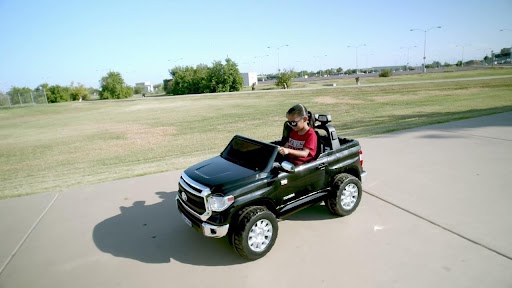
Buying a ride-on toy can be exciting for both parents and children, but it’s a purchase that requires careful thought. Many parents rush into buying a kids car without considering crucial factors like safety, age-appropriateness, terrain, and long-term usability. Choosing the wrong model can lead to disappointment, accidents, or toys that children outgrow too quickly. Understanding common pitfalls helps parents make smarter decisions, ensuring kids enjoy their ride-on experience safely and happily.
Ignoring Age and Weight Guidelines
One of the most common mistakes parents make is neglecting the manufacturer-recommended age and weight limits. Each ride-on toy is designed for a specific range of ages, taking into account height, weight, coordination, and motor skills. A toy intended for toddlers can be unsafe for older children, while a model meant for older kids may be too challenging for younger ones. By carefully following these guidelines, parents can:
- Avoid safety hazards caused by improper sizing or weight limits.
- Ensure the child can comfortably reach the pedals, steering wheel, or safety harness without straining.
- Extend the toy’s usable life as children grow, reducing the need for frequent replacements.
- Prevent frustration or stress when a toy proves too difficult for a child to operate confidently.
Prioritizing Style Over Safety
It’s natural to be attracted to flashy designs or sleek-looking ride-on toys, but focusing on appearance over safety can be risky. Some parents purchase kids car seats without considering essential features like sturdy construction, reliable brakes, and functional seat belts. A ride-on toy with poor stability or a high center of gravity can easily tip over, particularly during turns or on uneven surfaces. Parents should ensure:
- A stable wheelbase and low center of gravity for better balance.
- Reliable braking systems for quick and safe stops.
- Durable materials that withstand frequent use and outdoor exposure.
- Functional safety harnesses or seat belts for younger riders.
Taking safety seriously allows children to enjoy their kids’ car seat fully, while parents remain confident in their purchase.
Overlooking Battery Life and Charging Details
Electric ride-on toys rely on rechargeable batteries, and ignoring battery specifications is a frequent oversight. A toy with a short-lived battery or slow-charging unit can lead to interrupted play, frustration, and less enjoyment. Parents should consider:
- Battery capacity and expected runtime per charge for consistent playtime.
- Charging time and whether a backup battery is available for uninterrupted use.
- Maintenance tips to prolong battery life and reduce the need for frequent replacements.
- Warranty coverage for battery-related issues, ensuring problems are handled promptly.
Focusing on these details guarantees that children’s battery operated cars deliver a reliable and fun experience every time.
Forgetting Speed and Control Features
Ride-on toys come with various speed settings, and overlooking these can cause accidents or limit enjoyment. Parents often underestimate how quickly children can adapt to faster models.
Considerations include:
- Adjustable speed settings for different skill levels, so beginners can start slow.
- Parental remote control options for added safety with younger children.
- Safety locks to prevent accidental acceleration.
- Easy-to-use controls for smooth handling and better confidence.
These features ensure a perfect balance of fun and safety, allowing children to enjoy riding while staying secure.
Not Considering Terrain and Usage
Many parents buy ride-on kids car toys without thinking about where they will be used. Indoor models may struggle outdoors, while rugged outdoor vehicles might be cumbersome for indoor play. Parents should assess:
- Surface type, including grass, pavement, or indoor flooring.
- Weather resistance for outdoor durability.
- Tire quality and grip for safe maneuvering across terrains.
- Portability for easier storage or transport.
Selecting the right terrain-ready toy ensures children enjoy a safe, comfortable, and fun riding experience.
Skipping Reviews and Recommendations
Some parents focus only on price or appearance, ignoring online reviews, expert advice, and peer recommendations. This can lead to disappointment after purchase. Parents should:
- Read online reviews to learn about durability, performance, and battery life.
- Ask other parents for feedback on real-life experiences.
- Compare multiple brands for safety, features, and value.
- Check for certifications or compliance with safety standards.
Doing this research helps avoid common pitfalls and ensures a long-lasting, quality investment.
Underestimating Storage and Maintenance Needs
Ride-on toys require proper storage and care. Many parents forget to plan for indoor storage, battery charging, and cleaning routines. Neglecting these can shorten the toy’s lifespan or compromise safety. Considerations include:
- Adequate indoor storage space or protective outdoor areas.
- Simple battery removal for charging convenience.
- Cleaning guidelines for plastic and electronic parts.
- Regular inspections for wear and tear on tires, pedals, or harnesses.
Proper upkeep ensures long-term functionality and a safe experience for children.
Budgeting and Value Considerations
Parents sometimes choose low-cost children’s battery operated cars without considering long-term value. Cheaper options may lack durability, safety features, or sufficient battery life. Investing slightly more in a quality model often saves money and reduces stress over time. Tips include:
- Balancing cost with safety, durability, and fun.
- Checking warranty and after-sales support.
- Considering resale or upgrade potential as children grow.
- Planning purchases carefully to avoid impulse buying.
This approach ensures a ride-on toy is enjoyable, safe, and a worthwhile investment for years of play.
Conclusion
Choosing the right ride-on toy requires more than selecting the most attractive model. Parents who consider safety, battery life, terrain compatibility, speed controls, and reviews will avoid many common mistakes. By planning carefully, families can enjoy remote control jeep toy experiences that are safe, fun, and long-lasting.
If you are looking for a reliable source, platforms like ISAKAA make selecting high-quality ride-on toys seamless. They offer a wide variety of children’s battery operated cars and remote-controlled models, complete with detailed product specifications, safety guidelines, and expert customer support. Using ISAKAA ensures parents make informed choices, enjoy stress-free shopping, and provide children with toys that encourage fun, creativity, and active play while prioritizing safety, durability, and long-term enjoyment. ISAKAA’s collection includes options suitable for different ages, terrains, and preferences. Their dedicated customer support, clear instructions, and commitment to quality help parents feel confident in their purchases, making every ride-on toy experience enjoyable, memorable, and safe for children.




More Stories
University Finance Clubs in Argentina Often Begin With a Shared MetaTrader 4 Download Session
Why Service Area Details Are So Hard to Find on Bin Cleaning Sites
How Rain and Heat Shape Company Events in South Louisiana