

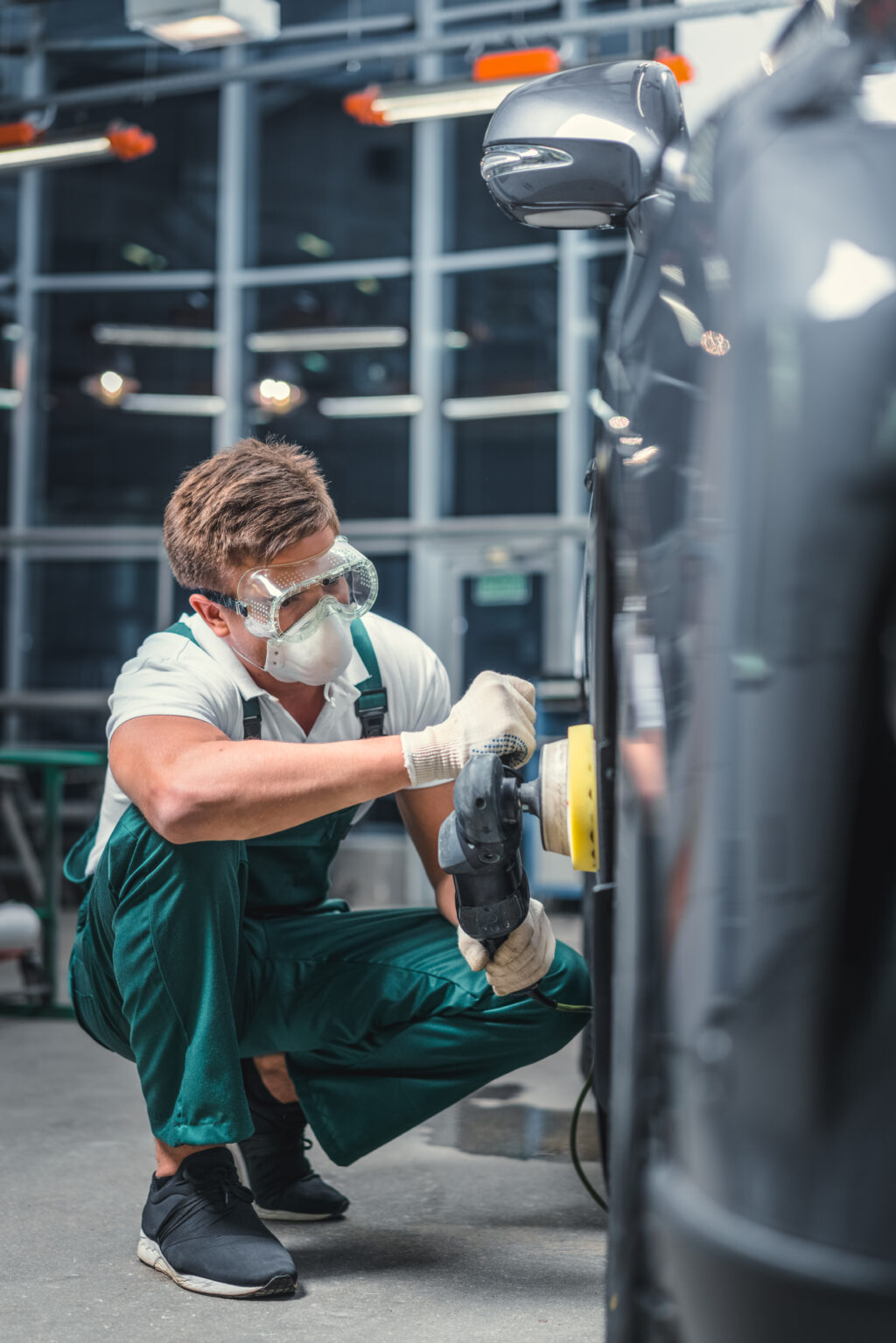
A scratch on your bumper might seem like a minor annoyance, but it can quickly become a bigger problem if left untreated. Knowing when to repair it — and when to leave it — can save you time, money, and future headaches.
Not All Scratches Are Created Equal
The first thing to understand is that bumper scratches vary widely in severity. A light surface scuff that only affects the clear coat looks different from a deep gouge that cuts through the paint and exposes bare plastic or metal. Before deciding whether to fix it, take a closer look at what you’re actually dealing with.
Run your fingernail across the scratch. If it doesn’t catch, it’s likely a surface-level mark that may respond well to polishing. If your nail dips into the groove, you’re looking at a deeper scratch that needs professional attention.
When You Should Definitely Fix It
Some situations make repair a clear choice:
- Rust is forming. On metal bumpers or areas with metal reinforcement, exposed surfaces can rust quickly. Once rust sets in, the damage spreads and becomes significantly more expensive to address.
- The clear coat is peeling. A scratch that has broken through the clear coat leaves your paint vulnerable to the elements. Over time, this causes paint to fade, bubble, and peel — turning a simple fix into a full repaint job.
- You’re planning to sell the vehicle. Scratches affect resale value. Buyers notice cosmetic damage, and even small flaws can give them leverage to negotiate a lower price.
- You drive a newer or luxury vehicle. When your car is a significant investment, maintaining its appearance matters — both for pride of ownership and long-term value.
When It Might Be Okay to Wait
Not every scratch demands immediate action. If the damage is truly minor — a faint scuff on a beater car you’re driving into the ground — the cost of repair may outweigh the benefit. Surface marks on plastic bumpers that haven’t broken through to paint can sometimes be buffed out cheaply at home without a trip to an auto body shop.
If you’re not planning to sell anytime soon and the scratch isn’t worsening, a watch-and-wait approach can be reasonable. Just keep an eye on it, especially after rain or harsh weather.
The Hidden Cost of Ignoring Bumper Damage
Here’s where many car owners get caught off guard. What starts as a small scratch can evolve into chipping paint, water infiltration, and even structural concerns depending on how the bumper is constructed. Repairing a scratch early almost always costs less than addressing the damage that develops from neglect.
An auto body shop can assess the depth and scope of the damage quickly — often with a free estimate. That single conversation can clarify whether you’re looking at a quick cosmetic touch-up or something more involved.
Getting a Professional Opinion
When in doubt, get eyes on it. A reputable auto body shop will give you an honest assessment of what the repair involves and what it costs. Some scratches can be addressed with paintless techniques or spot repairs that are faster and more affordable than a full panel repaint.
Don’t assume the worst — or the best — without getting the facts first.
The Bottom Line
A bumper scratch is worth fixing when it poses a risk of further damage, affects your vehicle’s value, or simply bothers you enough to address. For anything beyond a light surface scuff, a professional evaluation is the smartest first step. Catching damage early keeps costs low and your car looking its best.


More Stories
Trading the Restaurant for the Waves: Why You Should Host Your Next Birthday on the Water
How Do I Get United Airlines Vacation Packages?
How Do I Change My Name on Breeze Airways?