

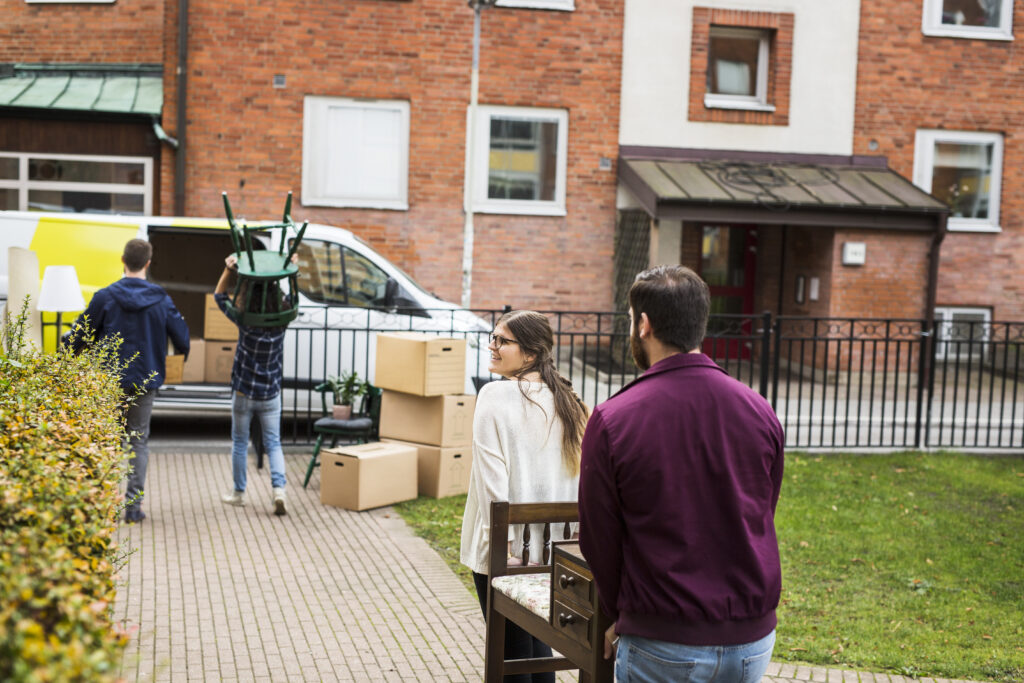
Being between homes is one of those life moments that sounds temporary but can stretch longer than expected. Whether you’re waiting on a closing date, renovating, or navigating a gap between leases, figuring out what to do with your belongings is a real challenge. A rented storage unit can be a practical solution — but only if you use it wisely.
Here’s a straightforward guide to help you make smart decisions about what goes in and what stays out.
What You Should Store
Furniture and large items are the most obvious candidates. Sofas, bed frames, dining tables, and dressers take up enormous space wherever you’re temporarily staying. Moving them into a rented storage unit frees you up to live more comfortably in a smaller or shared space.
Seasonal and hobby items also make excellent candidates. Ski gear, camping equipment, holiday decorations, and sports gear don’t need to follow you through a transitional period. Pack them up, label the boxes clearly, and let them wait.
Extra kitchen and household goods — think duplicate appliances, surplus cookware, and non-essential décor — can be safely stored without any real impact on your daily life. You don’t need four mixing bowls in a temporary kitchen.
Clothing out of season is easy to forget but genuinely worth storing. Rotating your wardrobe based on the current season means you’re only managing what you actually need right now.
Sentimental or valuable items like artwork, family heirlooms, and collectibles can be stored safely, provided you choose a climate-controlled unit. These pieces deserve careful packing and thoughtful placement.
What You Should NOT Store
Not everything belongs in a storage unit — and knowing the difference protects both your belongings and your peace of mind.
Perishable food should never go into storage. It attracts pests and creates hygiene issues that can damage everything around it. Keep food with you or donate what you can’t use before the move.
Plants are another no-go. Without light, water, and airflow, they won’t survive in a closed unit. Rehome them with a friend or neighbor during the transition.
Hazardous materials — including paint, propane tanks, gasoline, cleaning chemicals, and fireworks — are typically prohibited by storage facility policies and for good reason. They pose serious safety risks.
Important documents and valuables like passports, birth certificates, financial records, and jewelry should stay with you. Even the most secure storage facility isn’t the right place for irreplaceable items you may need at a moment’s notice.
Anything not properly packed can become a problem quickly. Moisture, dust, and the weight of other items will damage things that aren’t wrapped, sealed, or boxed correctly. Take the time to do it right.
A Few Final Tips
Before you load up a rented storage unit, take an inventory. Know exactly what you’re putting in and where it is — this saves enormous frustration when you need to retrieve something unexpectedly. When choosing the size of a unit, it’s tempting to go bigger “just in case,” but a well-organized smaller unit is far more manageable. Stack strategically, place frequently needed items near the front, and leave a walkway down the middle. And if you’re storing anything temperature-sensitive — wood furniture, electronics, artwork, vinyl records — opt for a climate-controlled unit. The extra cost is worth protecting pieces that matter.
Being between homes doesn’t have to mean chaos. With a clear plan and the right storage approach, this in-between chapter can feel a lot more manageable.



More Stories
Trading the Restaurant for the Waves: Why You Should Host Your Next Birthday on the Water
How Do I Get United Airlines Vacation Packages?
How Do I Change My Name on Breeze Airways?