

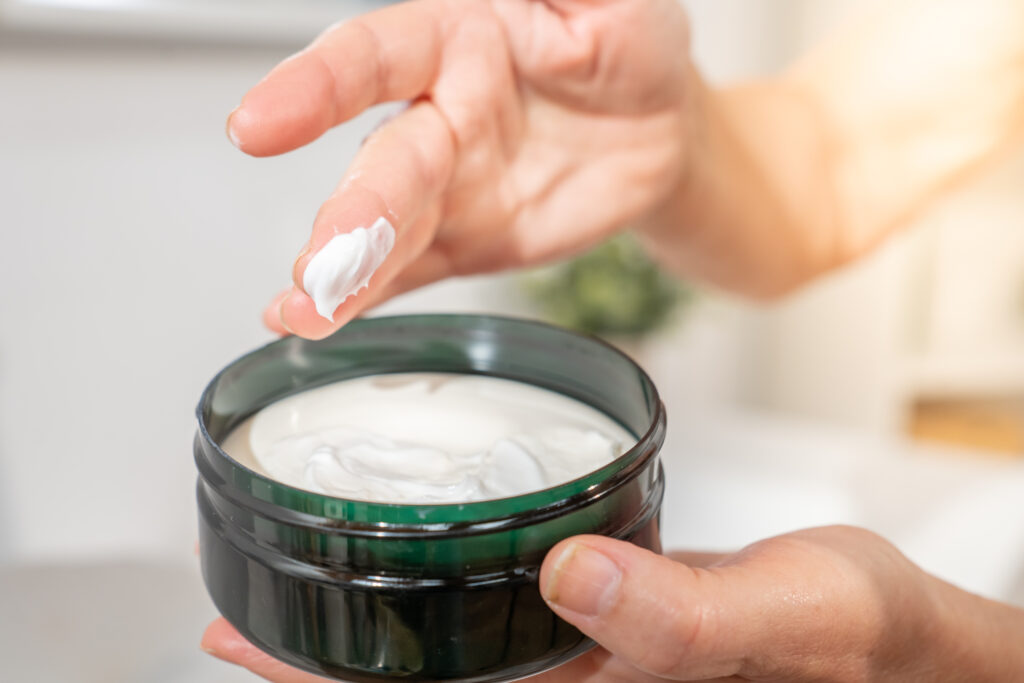
More isn’t always better — especially when it comes to moisturizer. Whether you’re slathering on half a pump or convincing yourself that a generous glob equals better hydration, the amount of moisturizer you use matters more than you might think. Getting it right can mean the difference between a balanced, healthy complexion and one that’s congested, greasy, or perpetually dry.
The “Pea-Sized” Rule Isn’t One-Size-Fits-All
You’ve probably heard that a pea-sized amount is the gold standard. While that’s a reasonable starting point for lightweight formulas, it’s not a universal truth. The right amount depends on several factors: the richness of your moisturizer, your skin type, the size of your face, and even the season.
A thin, water-based gel moisturizer may require a slightly more generous application to deliver meaningful hydration. A thick, occlusive cream? A little genuinely goes a long way.
Why Using Too Much Is a Problem
Overloading your skin with moisturizer doesn’t supercharge hydration — it can actually work against you. When you apply too much product, your skin can’t absorb it all efficiently. The excess sits on the surface, potentially clogging pores, causing breakouts, or leaving a heavy, uncomfortable film that makes makeup application difficult.
For oily or acne-prone skin types, over-moisturizing is a particularly common mistake. The skin has its own sebum production, and layering on too much product can disrupt that natural balance.
Why Using Too Little Is Also a Problem
On the flip side, skimping on moisturizer means your skin isn’t getting adequate coverage or protection. A thin, patchy application can lead to dry patches, irritation, and a compromised skin barrier over time. This is especially relevant if you’re using a moisturizer with active ingredients — if there isn’t enough product making contact with your skin, you won’t get the full benefit.
Dry and mature skin types typically need a more liberal hand. Don’t be afraid to apply a bit more, particularly in cold, dry climates where the skin loses moisture faster.
A Practical Guide by Skin Type
- Oily skin: Start with a small amount — roughly the size of a pea for the entire face. A lightweight, non-comedogenic gel formula works best, and less is genuinely more here.
- Dry skin: Use a slightly larger amount, about the size of a nickel when spread across the face. Focus on areas that tend to feel tight or flaky.
- Combination skin: Apply sparingly to the T-zone and more generously to drier areas like the cheeks and around the mouth.
- Sensitive skin: Stick to a moderate amount and prioritize even coverage to avoid leaving any skin unprotected.
The Right Application Technique
How you apply moisturizer affects how well it absorbs. Warm a small amount between your fingertips before gently pressing it into slightly damp skin. Pressing — rather than rubbing — helps the product absorb more effectively without pulling at the skin. Work from the center of your face outward, and don’t forget your neck.
When to Reassess
Your moisturizer needs aren’t static. They shift with the seasons, your age, your environment, and changes in your skincare routine. If your skin starts feeling persistently greasy or congested, consider dialing back. If it feels tight or dull, try using a bit more or switching to a richer formula.
The goal is a comfortable, balanced complexion — not the heaviest layer of cream you can manage. Pay attention to how your skin responds and adjust from there. That feedback is the most reliable guide you have.




More Stories
Trading the Restaurant for the Waves: Why You Should Host Your Next Birthday on the Water
How Do I Get United Airlines Vacation Packages?
How Do I Change My Name on Breeze Airways?