

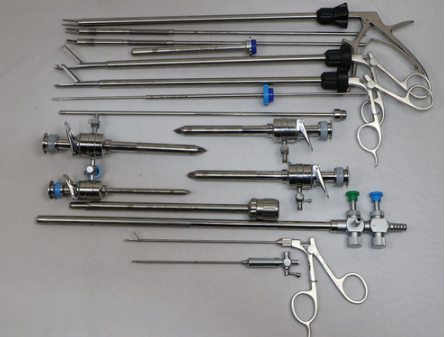
Laparoscopic procedures rely on more than a camera and a few specialised tools. Every instrument has a specific purpose, and the way those instruments work together can influence the flow of a procedure. For hospitals and surgical teams, selecting a complete laparoscopic instruments set means considering access, handling, procedure requirements, sterilisation, and long-term reliability rather than simply counting the number of instruments included.
Start With The Procedure In Mind
A laparoscopic set should reflect the procedures for which it will be used. Diagnostic laparoscopy may require a different combination of graspers and access instruments than procedures involving dissection, clipping, suturing, or tissue removal.
This makes procedure planning an important starting point. Instead of selecting a large collection of instruments without a clear purpose, surgical teams can identify the procedures performed most frequently and build their inventory around those needs.
Access Instruments Set The Foundation
Before tissue can be reached, the surgical team needs dependable access. Trocars, cannulas, and related components create the pathway through which other instruments enter the abdominal cavity.
Their dimensions, construction, valve mechanisms, and compatibility with other equipment can affect practical use. A well-planned selection should therefore account for the access requirements of different procedures instead of treating these components as secondary accessories.
Graspers Need Controlled Movement
Graspers are among the instruments used repeatedly during laparoscopic surgery. Their job may involve holding tissue, positioning structures, or providing controlled traction. A complete laparoscopic instruments set can include different grasper designs to support these varied requirements.
Jaw design and handle movement can influence how precisely the surgeon performs these actions. Different procedures may call for atraumatic graspers, stronger holding mechanisms, or specialised jaw patterns. Having appropriate variations available gives the surgical team greater flexibility during different operative situations.
Dissection Tools Support Fine Work
Dissection requires careful separation of tissue while protecting nearby structures. Laparoscopic scissors, dissectors, and other specialised instruments are designed to support these controlled movements within a restricted working area.
The working end needs to respond predictably to movements at the handle. Small differences in jaw alignment, sharpness, articulation, or rotation can affect how comfortably an instrument performs. This is why manufacturing precision becomes particularly important for instruments used during delicate dissection.
Energy Instruments Require Compatibility
Many laparoscopic procedures involve energy-based devices for cutting, coagulation, or tissue management. These instruments introduce additional considerations because the device must work correctly with the intended energy platform.
Hospitals should therefore examine compatibility before adding energy instruments to their inventory. Proper selection also involves checking insulation, connectors, working-end construction, and maintenance requirements. Compatibility reduces avoidable interruptions once a procedure is underway.
Ergonomics Matters Inside A Small Workspace
Laparoscopic surgery limits direct hand access to the operative area. As a result, instrument ergonomics can have a noticeable effect on handling.
A comfortable grip, logical control mechanism, appropriate weight distribution, and smooth articulation can help the surgeon make precise movements without unnecessary adjustments. Since instruments may remain in use for extended periods, practical handling should be considered alongside technical specifications when evaluating laparoscopic instruments online.
Shaft Length Should Match The Application
The length and diameter of an instrument can influence reach and manoeuvrability. A shaft that is unsuitable for a particular procedure may make positioning more difficult, while an appropriate length can provide better access without creating unnecessary handling challenges.
Different surgical procedures and patient requirements can call for different dimensions. Maintaining suitable options allows surgical teams to select instruments according to the operative environment rather than relying on a single standard size for every application.
Reusable Instruments Need Careful Design
Reusable laparoscopic instruments must withstand repeated cleaning, sterilisation, handling, and storage. Their value therefore extends beyond their initial performance inside the operating room.
Joints, insulation, seals, handles, and working ends all need appropriate care. If an instrument is difficult to clean or inspect, its long-term usefulness may be affected. Easy disassembly where applicable and accessible surfaces can make routine maintenance more practical for hospital staff.
Inspection Protects Instrument Readiness
An instrument can look acceptable while still developing functional problems. Before a procedure, surgical teams can check jaw alignment, articulation, locking mechanisms, insulation, and overall physical condition.
Regular inspection also helps identify wear before it becomes a larger operational issue. When inspection becomes part of routine preparation, teams have a better opportunity to remove unsuitable instruments from circulation and replace or repair them before they are required during surgery.
Online Selection Needs Technical Attention
Digital procurement has made it easier for hospitals and healthcare buyers to compare surgical instruments from different manufacturers and suppliers. However, online purchasing should involve more than comparing photographs and prices.
Those looking for laparoscopic instruments online should examine specifications, dimensions, material information, compatibility details, available configurations, and manufacturer support. Clear product descriptions can help buyers determine whether an instrument is actually suitable for their intended procedures.
Complete Sets Can Simplify Procurement
A coordinated set can make procurement easier when several instruments are required for related procedures. Instead of sourcing every component separately, buyers can evaluate whether the available combination covers their routine requirements.
However, completeness should not be confused with quantity. A useful set is one that contains instruments with practical functions, compatible dimensions, and suitable working characteristics. Reviewing the actual contents before purchase helps avoid unnecessary duplication.
Storage Supports Long Term Performance
Once instruments leave the operating room, proper storage becomes part of their lifecycle. Laparoscopic instruments should be cleaned, dried, inspected, and stored according to appropriate institutional procedures.
Careful organisation can also make instrument identification easier. When instruments are returned to clearly arranged trays or designated storage areas, staff can locate the required tools more efficiently and identify missing components before the next procedure.
Conclusion
Laparoscopic instrument selection is ultimately about creating a dependable connection between surgical requirements and practical equipment. Procedure type, access, instrument movement, ergonomics, compatibility, maintenance, and storage all deserve attention before a purchasing decision is made. A thoughtful approach can help healthcare teams create better-organised surgical inventories and reduce avoidable equipment concerns. Salwan Surgicare offers laparoscopic instruments online designed to support professional surgical requirements, giving healthcare buyers another option when planning their equipment needs.




More Stories
Trading the Restaurant for the Waves: Why You Should Host Your Next Birthday on the Water
How Do I Get United Airlines Vacation Packages?
How Do I Change My Name on Breeze Airways?