

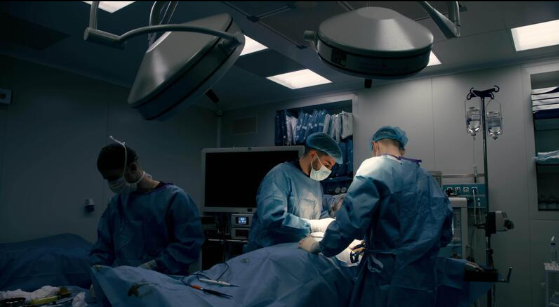
Heart valve and coronary artery conditions can affect blood flow and place additional strain on the heart. Modern cardiac care combines detailed diagnosis, surgical planning, and appropriate treatment options.
The recommended approach depends on the patient’s condition, symptoms, heart function, medical history, and overall health. Individuals considering valve replacement open-heart surgery can discuss their diagnosis, available procedures, surgical risks, and recovery expectations with a qualified cardiac specialist before deciding on treatment.
Clinical Assessment Supporting Modern Cardiac Treatment
Careful evaluation helps cardiac teams understand the underlying condition and select an appropriate treatment pathway based on individual medical needs.
1. Assessing Valve Function and Heart Health
Heart valve disorders can develop when a valve narrows or fails to close properly, disrupting normal blood flow. Doctors assess symptoms, medical history, heart function, and diagnostic findings before recommending treatment. When valve replacement open-heart surgery is considered, the medical team evaluates whether replacement, repair, or another approach may be appropriate based on the patient’s condition, anatomy, and overall health.
2. Understanding Valve Replacement Requirements
Valve replacement may be considered when a valve is severely damaged, narrowed, or leaking and cannot be adequately managed through other treatment options. Depending on individual circumstances, replacement may involve a mechanical or biological valve. Patients can discuss the reasons for replacement, available options, potential risks, and recovery requirements with their cardiac specialist before proceeding.
3. Reviewing Diagnostic Information Before Surgery
Diagnostic tests provide important information about valve structure, blood flow, and heart function. Echocardiography and other imaging techniques can help doctors understand the severity of a condition and identify relevant surgical considerations. General health assessments and blood tests may also support preoperative planning. Reviewing these findings allows the medical team to develop a treatment strategy based on the patient’s specific clinical requirements.
4. Comparing Repair and Replacement Approaches
Valve repair aims to preserve the patient’s existing valve by correcting damaged or abnormal structures where possible. Replacement involves removing the affected valve and inserting a mechanical or biological alternative. The choice depends on factors such as valve damage, anatomy, age, medical history, and expected outcomes. A detailed consultation helps patients understand the differences between these approaches before treatment.
5. Preparing for Surgical Recovery
Preparation should include an understanding of the procedure, hospital care, medications, activity restrictions, follow-up appointments, and expected recovery. Recovery can vary depending on the type of surgery and individual health. Patients can discuss practical arrangements and postoperative concerns before treatment. Clear preparation helps establish realistic expectations and allows the medical team to address relevant health factors before surgery.
Surgical Options Shaping Modern Valve Care Pathways
Modern cardiac treatment includes conventional, minimally invasive, and technology-assisted approaches for appropriately selected patients with different heart conditions.
1. Understanding the Role of Valve Surgery
When medication or other treatments are insufficient, valve surgery may be considered to improve the function of a damaged heart valve. Treatment can involve valve repair or replacement depending on the patient’s condition. Doctors consider valve anatomy, disease severity, heart function, age, and overall health when selecting an approach. A detailed assessment helps patients understand the recommended procedure and related considerations.
2. Evaluating Conventional Surgical Approaches
Traditional cardiac procedures remain important for complex valve conditions that require broader surgical access. Open surgery may involve accessing the heart through the chest and using a heart-lung machine during the procedure. The exact approach depends on the condition and surgical requirements. Although minimally invasive techniques are available for selected patients, conventional surgery may remain appropriate when the condition’s complexity requires greater surgical access.
3. Considering Minimally Invasive Valve Procedures
Some valve procedures can be performed through smaller incisions rather than traditional open approaches. These techniques may reduce surgical disruption and offer different recovery considerations for suitable patients. However, minimally invasive treatment is not appropriate for every condition. Doctors consider valve anatomy, disease severity, previous procedures, and overall health before recommending a technique. Patients should discuss its benefits, limitations, and potential risks with their specialist.
4. Managing Combined Cardiac Conditions
Some patients may have both valve disease and coronary artery disease, requiring a comprehensive evaluation. Valve disorders can affect blood flow through the heart, while coronary disease can restrict oxygen-rich blood reaching the heart muscle. When these conditions occur together, doctors may need to consider both during treatment planning. Diagnostic findings and overall heart function can help determine an appropriate strategy for the individual patient.
5. Supporting Recovery After Cardiac Surgery
Postoperative care can include medication management, physical activity guidance, rehabilitation, follow-up appointments, and monitoring of heart function. Recovery varies according to the procedure, age, general health, and individual response to treatment. Patients should follow personalised instructions and attend scheduled reviews. Regular communication with the cardiac team allows concerns to be addressed and helps guide the recovery process after treatment.
Comprehensive Planning for Better Cardiac Treatment
Detailed cardiac planning connects diagnosis, treatment selection, surgical preparation, and recovery expectations to the individual patient’s medical needs.
Cardiac treatment requires a clear understanding of symptoms, heart function, medical history, and the underlying condition before selecting a procedure. Diagnostic methods such as echocardiography and other imaging techniques can help assess valve structure, blood flow, and coronary artery conditions. These findings allow doctors to compare medication, conventional surgery, minimally invasive procedures, and other interventions where appropriate. When valve disease occurs alongside coronary artery disease, doctors may need to consider both conditions during treatment planning. Patients can also discuss expected outcomes, potential complications, hospital care, and recovery requirements during consultation. This structured approach helps ensure that treatment decisions are based on individual clinical needs rather than a standard procedure applied to every patient.
Conclusion
Modern cardiac surgery provides different approaches for managing valve disorders and coronary artery disease. Careful diagnosis, personalised planning, surgical expertise, and structured follow-up help patients understand available treatment options and prepare for appropriate care.
For individuals exploring bypass coronary artery treatment or valve procedures, Dr Udgeath Dhir provides information about coronary artery bypass grafting, valve replacement and repair, minimally invasive cardiac procedures, and other specialised treatments. His practice describes CABG as creating an alternative route for blood flow around blocked coronary arteries, while its valve services include repair and replacement approaches. Patients can discuss their condition with a qualified cardiac specialist to understand suitable treatment options, potential risks, and recovery considerations.




More Stories
Trading the Restaurant for the Waves: Why You Should Host Your Next Birthday on the Water
How Do I Get United Airlines Vacation Packages?
How Do I Change My Name on Breeze Airways?