

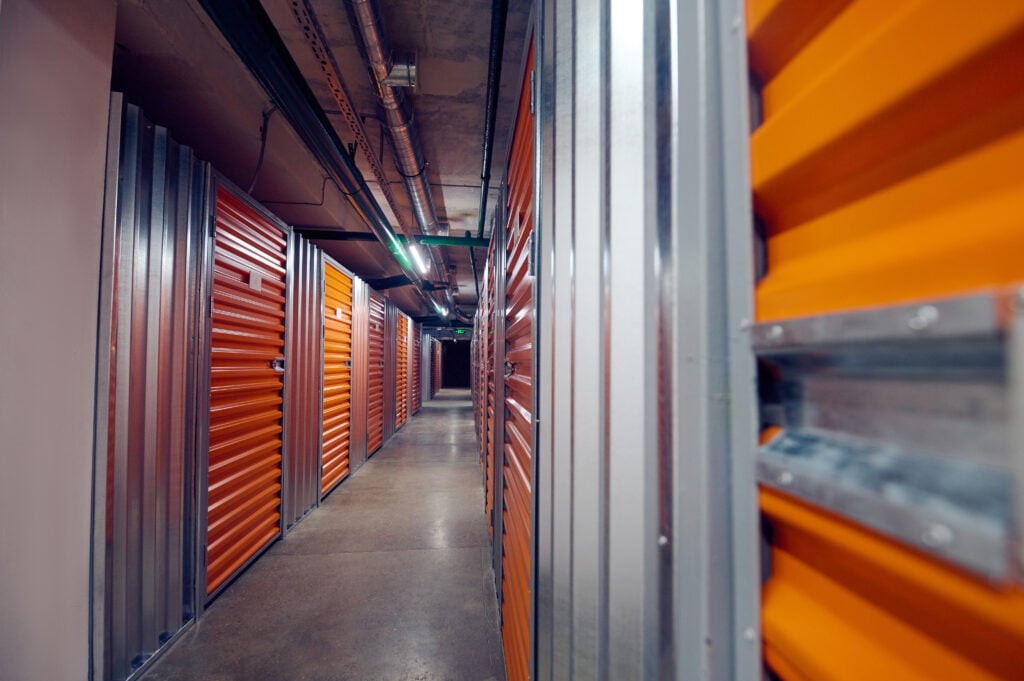
Putting items into long-term storage isn’t as simple as tossing things into boxes and hoping for the best. Whether you’re downsizing, moving, or storing seasonal items in a rented storage unit, how you pack determines whether your belongings come out in the same condition they went in. Follow this guide to do it right.
Choose the Right Containers
Not all boxes are created equal. For long-term storage, sturdy, uniform-sized boxes are your best friend. They stack cleanly, reduce wasted space, and prevent collapse. Plastic bins with locking lids offer an added layer of protection against moisture and pests — a smart investment when items will sit untouched for months or years.
Avoid using garbage bags for anything other than soft linens or pillows. They offer zero structural support and make it far too easy to accidentally crush fragile items.
Clean Everything Before It Goes In
This step gets skipped more than it should. Dirt, food residue, and moisture are accelerants for mold, mildew, and pest activity. Before packing:
- Wash and fully dry clothing, linens, and fabric items
- Wipe down furniture, electronics, and appliances
- Dry out anything that has been used with liquid (coffee makers, water bottles, etc.)
Storing items clean dramatically reduces the risk of damage over time.
Pack Smart, Not Just Fast
Speed-packing leads to regret. Take a deliberate approach:
- Wrap fragile items individually using bubble wrap, packing paper, or even clothing
- Fill empty space inside boxes with packing peanuts or crumpled paper to prevent shifting
- Place heavy items on the bottom, lighter items on top — both within boxes and when stacking in your rented storage unit
- Disassemble large furniture where possible to save space and reduce stress on joints and connectors
Never overpack a box. If you can’t close it easily, it’s too full.
Label Everything — Seriously
You will not remember what’s in unlabeled boxes six months from now. Label every box on at least two sides with:
- Contents (be specific — “kitchen misc.” is not helpful)
- Fragile warnings where applicable
- Room or category for easier sorting when you retrieve items
Consider creating a simple inventory list or spreadsheet that maps box numbers to contents. It takes an extra 20 minutes upfront and saves hours of frustration later.
Protect Against the Elements
Long-term storage introduces real environmental threats — humidity, temperature fluctuations, and pests. Here’s how to combat them:
- Use silica gel packets inside boxes containing electronics, documents, or leather goods
- Avoid plastic wrap directly on wood or upholstered furniture — it traps moisture and encourages mold
- Elevate items off the floor using pallets or shelving to protect against potential water damage
- Use wardrobe boxes or breathable garment bags for hanging clothes
If your rented storage unit is not climate-controlled, be especially mindful of what you store there. Artwork, instruments, electronics, and antiques are better suited for climate-controlled environments.
Think About Access
If you’ll need to retrieve items periodically, store frequently accessed boxes near the front of the unit. Build a clear pathway through your space rather than filling it wall-to-wall. This saves time and prevents the avalanche effect when you’re hunting for one specific item.
Final Thought
Packing for long-term storage is a small investment of time that pays off every time you open that unit door. Plan your packing, protect your items, and stay organized — your future self will thank you.


More Stories
How Do I Get United Airlines Vacation Packages?
How Do I Change My Name on Breeze Airways?
What Is the LATAM Airlines Name Change Policy?