

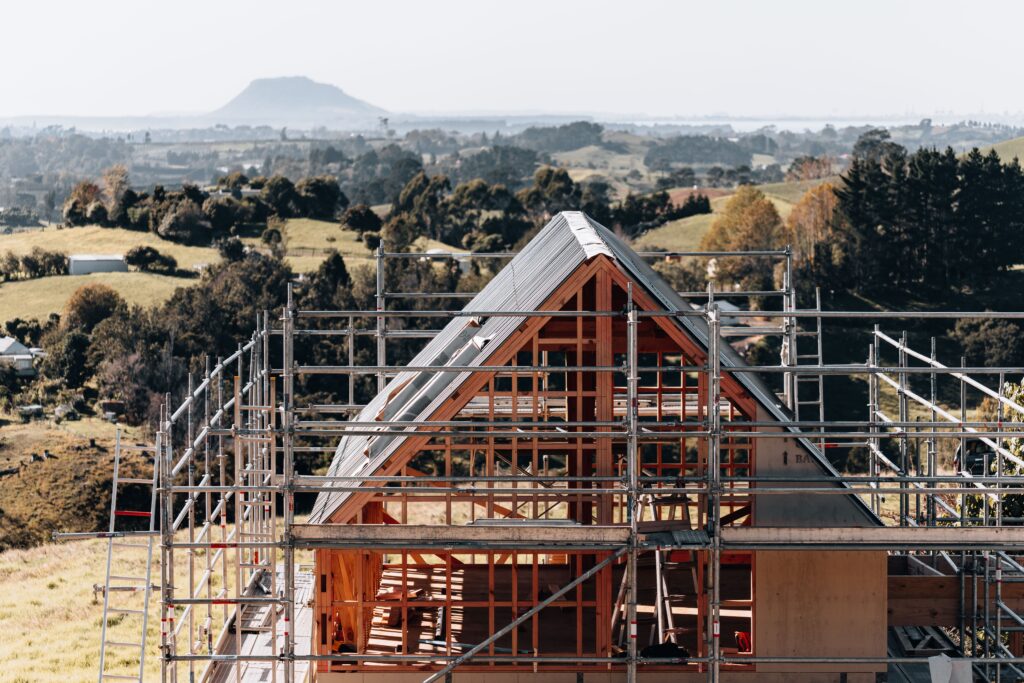
One of the first questions homeowners ask after deciding to rebuild is a simple one: How long is this going to take? It’s a fair question — and unfortunately, there’s no one-size-fits-all answer. A home rebuild is a complex process shaped by dozens of variables, and understanding what drives the timeline can save you from frustration down the road.
Why Timelines Vary So Widely
No two rebuilds are the same. The size of your home, the complexity of the design, local permitting requirements, material availability, and contractor schedules all play a role. A straightforward rebuild on a clean lot in a streamlined jurisdiction will move much faster than a complex custom build in an area with lengthy permit review processes.
That said, most homeowners are surprised by how much time passes before a single nail is driven. The pre-construction phase — which includes finalizing your insurance claim, selecting a builder, designing your home, and obtaining permits — can take just as long as the construction itself.
The Phases That Shape Your Timeline
Understanding the rebuild process in distinct phases helps set realistic expectations:
- Insurance and Claims Resolution — Before anything else, your insurance settlement needs to be finalized. Depending on your policy and the complexity of your claim, this can take several months. Disputes or supplemental claims can extend this further.
- Design and Planning — Working with an architect or designer to finalize plans takes time, especially if you’re making changes to the original layout. Revisions, approvals, and coordination all add weeks to the calendar.
- Permitting — Local building departments vary enormously in their processing times. Some municipalities turn permits around quickly; others have backlogs that stretch for months. This phase is largely out of your control.
- Site Preparation and Foundation — Once permits are in hand, the physical work begins. Site clearing, grading, and foundation work set the pace for everything that follows.
- Framing Through Finish Work — From framing to roofing, electrical, plumbing, insulation, drywall, and finish work, each trade has its own schedule — and delays in one area ripple into the next.
Common Causes of Delays
Even the best-laid plans encounter setbacks. Weather events can halt outdoor work for days or weeks. Material shortages can push delivery dates back significantly. Subcontractor availability — especially after widespread disasters when demand surges — is one of the most common bottlenecks.
Change orders are another major factor. Every modification made during construction — whether it’s upgrading finishes or adjusting a floor plan — introduces delays and adds cost. Minimizing changes once construction begins is one of the most effective ways to stay on schedule.
What You Can Do to Keep Things Moving
While you can’t control everything, you can make strategic decisions that reduce unnecessary delays:
- Choose your builder carefully. An experienced contractor with a strong local network and an established relationship with suppliers and subcontractors will navigate obstacles more efficiently.
- Lock in decisions early. Selecting fixtures, finishes, and materials before construction starts prevents costly mid-build pauses.
- Stay engaged but flexible. Regular communication with your builder keeps you informed without micromanaging. Being available to make quick decisions prevents small questions from becoming significant holdups.
Managing Expectations Through the Process
A home rebuild is a marathon, not a sprint. Most full rebuilds take well over a year from the moment a disaster occurs to move-in day — and that’s under relatively smooth conditions. Knowing this upfront allows you to plan your temporary housing, budget for extended costs, and approach the process with patience rather than surprise.
The goal isn’t just a finished house. It’s the right house — built well, built safely, and built to last.




More Stories
How Do I Get United Airlines Vacation Packages?
How Do I Change My Name on Breeze Airways?
What Is the LATAM Airlines Name Change Policy?