

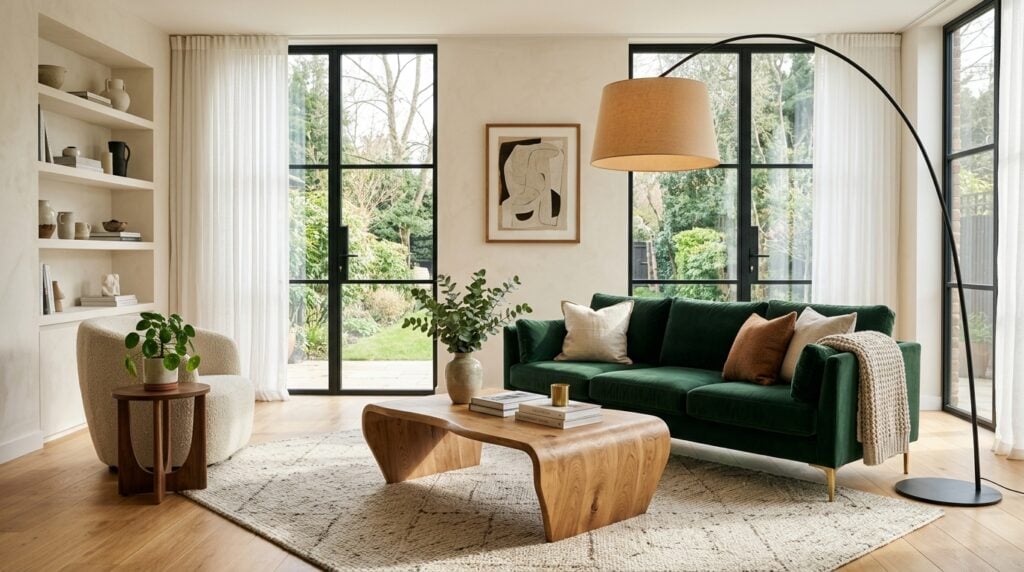
Launching a residential staging business requires a balance between creative styling and disciplined logistics. While interior designers often focus on personalized spaces tailored to individual tastes, home stagers prepare properties to appeal to a wide spectrum of prospective buyers. Staging founders must build sustainable business systems that keep operating costs manageable while delivering consistent visual impact across diverse properties and architectural styles.
Turning an eye for design into an enduring enterprise involves far more than arranging decorative cushions and hanging framed prints. Successful founders establish repeatable workflows for sourcing inventory, coordinating rapid installations, and protecting physical assets against everyday wear and tear. By treating staging as an operational discipline rather than an informal creative service, design entrepreneurs position their companies for sustainable growth in competitive housing markets.
Analyzing Residential Market Demands and Buyer Profiles
Every property presents distinct spatial challenges and appeals to different types of prospective residents. A suburban single-family house requires a warm, functional layout that highlights family living, while an urban loft benefits from sleek, minimalist arrangements that maximize natural light and open square footage. Staging founders begin each project by studying neighborhood buyer demographics and architectural features to determine the ideal aesthetic direction before selecting a single piece of furniture.
Understanding active property listings and broader residential searches provides critical context for how prospective owners evaluate living areas. Many entrepreneurs collaborate closely with real estate agents and monitor platforms such as idreamhomez.com to observe what features buyers seek when searching for a dream property. Knowing whether local buyers prioritize open-concept dining or dedicated home office spaces allows stagers to highlight those exact functional elements during an installation.
Aligning staging choices with buyer priorities prevents wasted effort on decorative items that distract rather than inspire. When a home feels intuitive, spacious, and uncluttered, visitors can easily imagine their own daily routines unfolding within the rooms. This deliberate alignment between architectural layout and presentation forms the foundation of every successful staging engagement.
Managing Furniture Inventory and Asset Protection
A major operational expense for any staging company is acquiring, transporting, and preserving furniture inventory. Purchasing bespoke pieces for every contract quickly strains cash flow and limits overall project capacity. Instead, experienced founders invest in modular, versatile base pieces that adapt easily to different room layouts, architectural eras, and neutral color palettes.
Transporting heavy furniture between houses inevitably leads to minor scuffs, dust, and fabric fatigue over time. Staging operators frequently turn to specialized textile providers like BestsofaCovers to refresh tired upholstery, experiment with seasonal textures, and protect their core seating investments during transit and client walkthroughs. Using adaptable covers also allows a single neutral sofa to fit multiple distinct styling themes without the substantial capital investment of purchasing new furniture.
Systematic storage and asset maintenance routines ensure that pieces remain showroom-ready for the next client installation. Setting aside dedicated warehouse space for cleaning, minor repairs, and protective wrapping keeps overhead manageable and prevents inventory degradation. When inventory stays in peak condition, founders can deploy items repeatedly across multiple properties with minimal downtime between staging contracts.
Structuring Emotional Connections in Living Areas
The central objective of home staging is to evoke an immediate sense of comfort and belonging the moment a visitor steps across the threshold. High-traffic living spaces, particularly primary bedrooms and main living rooms, dictate the initial impression a visitor forms. Founders focus on establishing clear focal points, such as orienting comfortable seating around an architectural fireplace or framing a garden view.
Balanced lighting, soft textures, and thoughtful traffic planning transform empty, echo-filled rooms into engaging living environments. Similar principles apply when founders focus on turning residential properties into guest havens to deliver welcoming hospitality experiences. Creating inviting zones where people naturally want to sit and linger helps buyers form an emotional attachment to the property during an open house or private tour.
Subtle styling choices carry significant weight in guiding buyer perception. Simple table settings, folded throws, and well-placed greenery suggest an aspirational lifestyle without feeling overly staged or artificial. Stagers aim to remove visual friction so that the architectural merits of the home remain the primary focus of every showing.
Establishing Efficient On-Site Installation Workflows
Time is often limited between when a homeowner moves out and when professional listing photography occurs. Staging entrepreneurs must coordinate team members, moving crews, and styling schedules with precision to avoid costly delays. Developing a standardized checklist system ensures that no critical detail is overlooked during rapid turnaround windows.
Founders streamline their on-site operations by executing tasks in a structured sequence:
- Conduct a comprehensive initial walk-through to confirm room dimensions, sightlines, and natural light sources before unloading furniture.
- Direct the delivery crew to position large foundational furniture pieces first before unboxing decorative accessories.
- Layer area rugs, lighting fixtures, and accent drapery to anchor each distinct functional zone within the home.
- Place artwork, accent textiles, and tabletop decor to provide subtle warmth, depth, and visual interest.
- Complete a final photographic review from buyer entry angles to eliminate awkward reflections, glare, and unnecessary clutter.
This orderly progression reduces confusion on site and keeps physical moving costs strictly under control. When crew members understand their specific responsibilities and follow an established sequence, installations finish promptly, allowing photographers and real estate professionals to capture the property at its absolute best.
Cultivating Strategic Partnerships for Sustainable Growth
Consistent client acquisition in the staging industry relies heavily on trusted relationships with local real estate agents, property developers, and home sellers. Agents who regularly represent residential listings appreciate reliable stagers who consistently meet tight deadlines, communicate clearly, and treat every property with respect and care.
Founders build lasting credibility by acting as consultative partners rather than simple furniture rental vendors. Offering clear contracts, transparent timelines, and professional invoicing demonstrates business maturity and reliability. Over time, exceptional execution leads to steady referral business, reducing the need for expensive outbound marketing campaigns or aggressive sales efforts.
Expanding service tiers can also significantly increase company resilience and revenue stability. In addition to full vacant home staging, many companies offer occupied home styling consultations, digital furniture planning, or accessory-only packages. Offering multiple engagement models allows stagers to serve a broader range of residential clients while keeping team members active throughout seasonal market shifts.
Building a durable staging enterprise requires balancing design intuition with rigorous business discipline. Founders who invest in adaptable inventory, protect their core furnishings, and cultivate strong industry relationships can create a stable, respected brand. By focusing on practical operations and thoughtful spatial storytelling, design entrepreneurs turn residential spaces into compelling environments that resonate with buyers and clients alike.

More Stories
How Founders Build Modern Residential Renovation Studios
How Entrepreneurs Build a Modern Home Renovation Business
How Founders Build Thriving Home Turnover Businesses