


The micro-hospitality sector offers entrepreneurs a compelling avenue to build distinctive, service-driven brands. Converting a residential home into an upscale boutique stay or retreat requires more than standard furnishings. Successful founders understand that today’s travelers seek an intentional blend of residential comfort and professional service. Every room must convey purpose, warmth, and intuitive functionality.
Entering this segment demands a shift in mindset. Instead of treating a property merely as real estate, hospitality entrepreneurs treat it as an evolving guest experience. From initial arrival to morning routines, travelers interact with physical fixtures, layouts, and amenities in deeply personal ways. Balancing domestic charm with durable commercial standards is the primary operational hurdle for new operators.
Building an enduring hospitality enterprise involves thoughtful property renovation, dependable equipment selection, and rigorous attention to guest well-being. By focusing on foundational design and day-to-day utility, founders can develop properties that earn continuous community goodwill and steady guest reservations.
Clarifying the Brand Vision and Guest Profile
Every successful hospitality venture begins with clarity regarding the target guest. A property optimized for traveling executives who need quiet workspace requires different considerations than a countryside retreat designed for families or culinary enthusiasts. Founders should outline how guests will spend their time across different hours of the day before purchasing furniture or altering floor plans.
When defining the identity of a property, consistency is paramount. The architectural style, interior colors, and textural finishes should feel deliberate and connected. Rather than following transient decor fads, aim for timeless design principles that highlight natural light, durable materials, and intuitive circulation throughout the building.
Developing a recognizable narrative around the space helps differentiate the offering in a crowded market. Whether highlighting regional craftsmanship, historic architectural features, or minimalist tranquility, this narrative guides subsequent decisions about furnishings, layout changes, and amenity investments.
Upgrading Living Areas for Practical Comfort and Flow
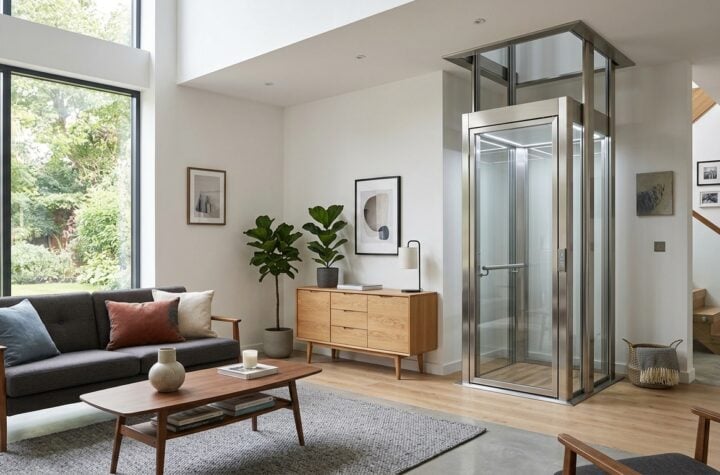
Transforming a standard residential dwelling into a high-traffic guest environment requires structural and aesthetic adjustments. Living rooms and common areas endure substantially higher foot traffic and frequent furniture movement than typical private residences. Selecting commercial-grade upholstery, scratch-resistant flooring, and modular seating arrangements ensures that spaces remain welcoming after repeated visits.
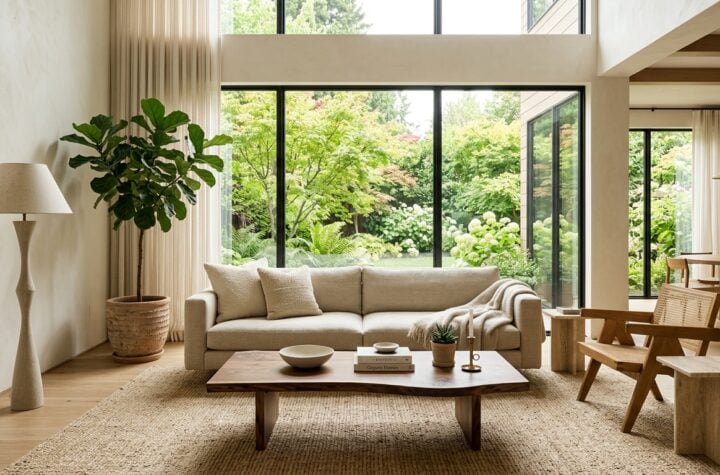
Lighting plays a transformative role in how guests perceive a property. Layered illumination, combining ambient ceiling fixtures, focused reading lamps, and warm accent lights, allows guests to tailor the mood to their personal preferences. Storage must also be intuitive, providing ample room for luggage, outerwear, and personal belongings without cluttering main gathering spaces.
Entrepreneurs seeking practical methods for structural adjustments, space planning, and contemporary aesthetic refinements often consult resources like specialedoptions.com to discover smart renovation ideas that elevate residential properties. Implementing well-planned architectural solutions helps founders maximize usable square footage while creating serene, open environments that feel expansive and restorative.
Equipping the Kitchen as the Heart of the Experience
In modern boutique hospitality, the kitchen is no longer a peripheral utility room; it is central to the guest experience. Whether travelers are preparing communal breakfasts, brewing artisanal morning coffee, or hosting intimate dinners, they appreciate an organized culinary environment. A thoughtfully outfitted kitchen signals quality and care throughout the entire stay.
Founders should invest in resilient surfaces such as quartz countertops, deep undermount sinks, and easy-to-clean backsplashes. Storage organization is equally critical. Open shelving or clearly labeled cabinetry allows guests to locate glassware, cutting boards, and cookware without frustration, reducing wear and tear on cabinet hardware.
Stocking the culinary space with reliable preparation tools, premium cookware, and durable small appliances is essential for guest satisfaction. Founders who prioritize superior culinary outfitting can explore The Kitchen Store Online.com for top kitchen tools and cooking accessories that endure rigorous daily use. Equipping the kitchen with dependable cutlery, heavy-bottomed pans, and versatile baking sheets ensures guests enjoy seamless culinary convenience during their stay.
Establishing Operational Standards and Guest Safety
Beyond aesthetics and amenities, exceptional hospitality businesses are built on operational diligence. Maintaining spotless cleanliness between guest departures requires standardized housekeeping procedures and durable, commercial-grade linens that withstand frequent high-temperature laundering. Clear check-in instructions and responsive communication channels build trust before guests even arrive at the front door.
Safety and resilience must never be treated as secondary concerns. When hosting paying visitors, founders carry a direct responsibility to maintain clear emergency exits, dependable smoke detectors, and secure handrails. For comprehensive insights on maintaining secure premises, founders can review our creating resilient and safe physical workspaces to implement proper facility protocols. Maintaining well-marked first aid kits and clear emergency contact details provides peace of mind for both hosts and visitors.
To maintain smooth daily operations and protect physical assets, hospitality founders should implement a proactive facility maintenance checklist:
- Inspect plumbing fixtures, water heaters, and filtration systems on a strict monthly schedule to prevent unexpected leaks.
- Conduct regular hardware checks on exterior doors, digital locks, and window latches to preserve building security.
- Replace air filters regularly and service climate control systems ahead of significant seasonal temperature shifts.
- Review lighting pathways and outdoor walkways to eliminate tripping hazards and ensure easy navigation during evening arrivals.
Delivering Thoughtful Touches that Build Loyalty
Memorable guest experiences frequently stem from small, considerate details that exceed standard expectations. A curated guide to neighborhood bakeries, independent bookstores, and scenic walking trails helps travelers experience the surrounding community like seasoned locals. Providing regionally roasted coffee beans, artisanal teas, or locally crafted soaps introduces an authentic sense of place.
Effective communication also sets exceptional operators apart. Anticipating common questions regarding parking, appliance operation, and environmental controls eliminates friction during a stay. Founders who provide concise quick-start guides next to complex amenities save guests time and prevent accidental equipment damage.
Fostering direct feedback channels encourages visitors to share suggestions constructively. By actively listening to guest impressions and continuously refining property details, hospitality founders establish a reputation for excellence that drives repeat bookings and valuable word-of-mouth recommendations.
Sustaining Long-Term Value Through Continuous Refinement
Building a sustainable venture in the hospitality space requires ongoing reinvestment and operational discipline. The most accomplished founders treat their properties as living showcases that adapt to changing traveler expectations. Regularly auditing guest reviews highlights subtle pain points, whether it involves upgrading mattress quality, refining noise mitigation, or streamlining access procedures.
Financial resilience in boutique hospitality depends on balancing immediate guest satisfaction with the long-term preservation of the physical asset. Setting aside reserves for scheduled property improvements ensures that the home never looks dated or worn. When entrepreneurs commit to continuous property care, their guest havens maintain elevated appeal year after year.
Ultimately, transforming a residential property into a distinguished guest haven is a journey of precision, creativity, and service. Founders who ground their operations in durable design, functional spaces, and genuine hospitality create destinations that resonate with guests long after checkout.


More Stories
How Real Estate Founders Turn Raw Land into Thriving Homes
How Founders Build Resilient and Safe Physical Workspaces
How Founders Design Inviting Commercial Retail Spaces