


Launching a service company centered on residential turnovers requires operational precision and deep empathy. When families face estate liquidations, senior downsizing, or major relocations, they encounter a daunting volume of physical belongings alongside significant emotional stress. Founders entering this sector quickly discover that success involves far more than hauling unwanted items away. The most resilient companies deliver end-to-end transitional care that guides clients through every phase of property renewal.
Entrepreneurs who excel in this space understand that property turnover is fundamentally about helping individuals move forward. By treating the physical home as a foundation for a new chapter, forward-thinking operators build scalable systems that address cleaning, decluttering, light repairs, and space preparation. Creating a reputable brand in this niche demands clear standard operating procedures, dependable field crews, and an unwavering commitment to responsible service.
Identifying Unmet Needs in the Residential Transition Market
The traditional cleanout and moving industry has historically suffered from fragmented services and inconsistent customer experiences. Homeowners and estate representatives often find themselves juggling multiple vendors, including independent haulers, specialty cleaners, estate auctioneers, and repair workers. This fragmentation creates unnecessary friction during times that are already emotionally demanding for families.
Astute founders identify this gap by bundling disconnected services into a single, cohesive customer journey. By serving as a single point of accountability, a turnover enterprise eliminates logistical headaches for clients. Teams conduct structured walkthroughs, catalogue items destined for preservation or donation, and systematically clear remaining spaces to prepare the property for its next chapter.
At the center of this business model lies a foundational respect for personal possessions and family history. As demonstrated by dedicated residential care resources such as fairy-clean-out.com, approaching every property with the same care one would show to their own home establishes immediate credibility. When service crews treat delicate family heirlooms, sentimental keepsakes, and everyday furnishings with sincere regard, word-of-mouth recommendations naturally follow.
Structuring Efficient and Responsible Field Operations
Operational efficiency is the engine that drives profitability in residential property transitions. Without clear guidelines, crews can easily lose time deciding how to handle individual items on site. Successful operators establish systematic categorization protocols that sort items immediately upon assessment, keeping projects on schedule and within scope.
Modern consumers and estate administrators also prioritize environmental responsibility. Routing truckloads of household goods directly to local disposal facilities damages community standing and inflates disposal fees. Pioneering business owners therefore establish multi-tiered diversion pipelines that redirect useful goods back into the surrounding community.
An effective field operations framework relies on consistent execution across several core areas:
- Conducting thorough walkthroughs to inventory client keepsakes and separate high-value items from general goods.
- Establishing staging zones to sort items for donation, recycling, restoration, and responsible disposal.
- Partnering with local non-profit charities to ensure usable furniture and housewares find second homes.
- Maintaining rigorous safety protocols for handling heavy furniture and fragile architectural features.
Equipping field technicians with systematic training guarantees that every job site maintains high safety standards. When team members understand their specific roles and follow documented workflows, turnaround times decrease while overall service quality remains remarkably consistent.
Enhancing Living Spaces to Meet Modern Expectations
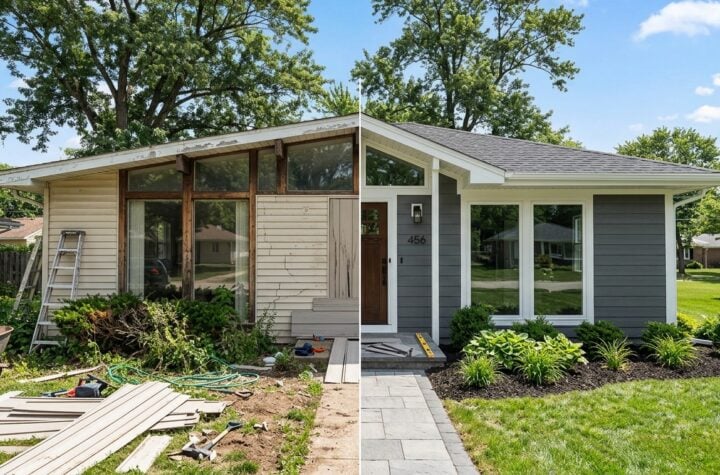
Clearing out physical clutter is only the initial step in property transformation. Once rooms are cleared, the underlying condition of the home becomes visible, often revealing outdated fixtures, neglected maintenance, and dull living areas. Forward-looking turnover founders increasingly expand their service offerings to include baseline revitalization work that readies a property for immediate occupancy or resale.
Improving interior spaces involves strategic updates that elevate comfort, safety, and functionality. Simple interventions, such as deep architectural cleaning, wall patching, updated lighting, and modernized fixtures, can dramatically shift the appeal of a residential interior. These upgrades bridge the gap between basic removal work and extensive remodeling, giving property owners an accessible way to maximize their real estate value.
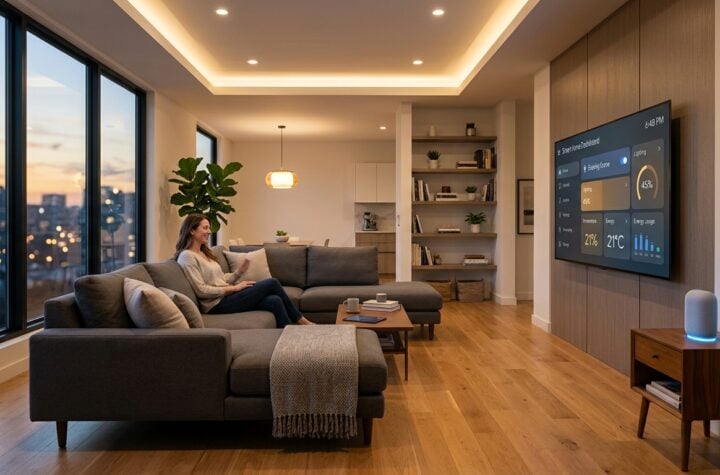
Creating an inviting home setting directly impacts how residents experience their daily routines. Practical insights shared by home improvement platforms like electricmela.com illustrate how upgrading the residential environment and modernizing home equipment fosters a healthier, more uplifting atmosphere. Turnover companies that embrace this holistic philosophy help clients transition into environments that are not just clean, but truly supportive of everyday living.
Developing Strategic B2B Partnerships for Steady Demand
While direct-to-consumer marketing generates baseline inquiries, durable turnover businesses build structured referral networks with professional partners. Real estate brokerages, probate attorneys, trust officers, senior placement advisors, and property management firms regularly encounter clients in need of rapid, trustworthy property clearances.
Establishing these B2B relationships requires demonstrating dependability and administrative competence. Professional partners need assurance that their clients will be treated with discretion and that deadlines will be met without exception. Providing partners with detailed project timelines, proof of insurance, and itemized reporting positions a startup as a preferred vendor rather than an occasional contractor.
These collaborative networks often intersect with broader residential development and housing initiatives. Understanding how properties evolve throughout their lifespan allows service providers to integrate seamlessly with real estate professionals. In our previous discussion on developing raw land into vibrant residential communities, we examined how thoughtful planning and community-focused execution shape lasting property value. Turnover operators apply those same principles at the opposite end of the property lifecycle, revitalizing existing structures so they can continue serving future occupants.
Cultivating Client Trust Through Transparent Business Practices
Because home turnover services operate inside private living spaces during vulnerable personal transitions, trust serves as the primary currency of the business. Founders must build transparency into every client interaction, starting with clear, upfront estimates that eliminate unexpected surcharges. Utilizing photographic documentation before and after each project reinforces accountability and provides peace of mind to distant family members or trustees.
Investing in company culture and technician retention is equally critical. Field crew members are the direct face of the business; their professionalism, demeanor, and empathy determine client satisfaction. Business owners who provide fair compensation, structured career development, and comprehensive service training cultivate loyal teams capable of upholding company standards under demanding conditions.
Ultimately, a successful residential turnover enterprise thrives by pairing efficient field logistics with genuine personal empathy. As neighborhoods continually evolve and housing needs shift, entrepreneurs who approach property renewal with dignity, environmental consciousness, and dependable execution will establish enduring businesses that leave every home better than they found it.


More Stories
How Founders Build Modern Residential Renovation Studios
How Entrepreneurs Build a Modern Home Renovation Business
How Staging Entrepreneurs Build Scalable Design Ventures