

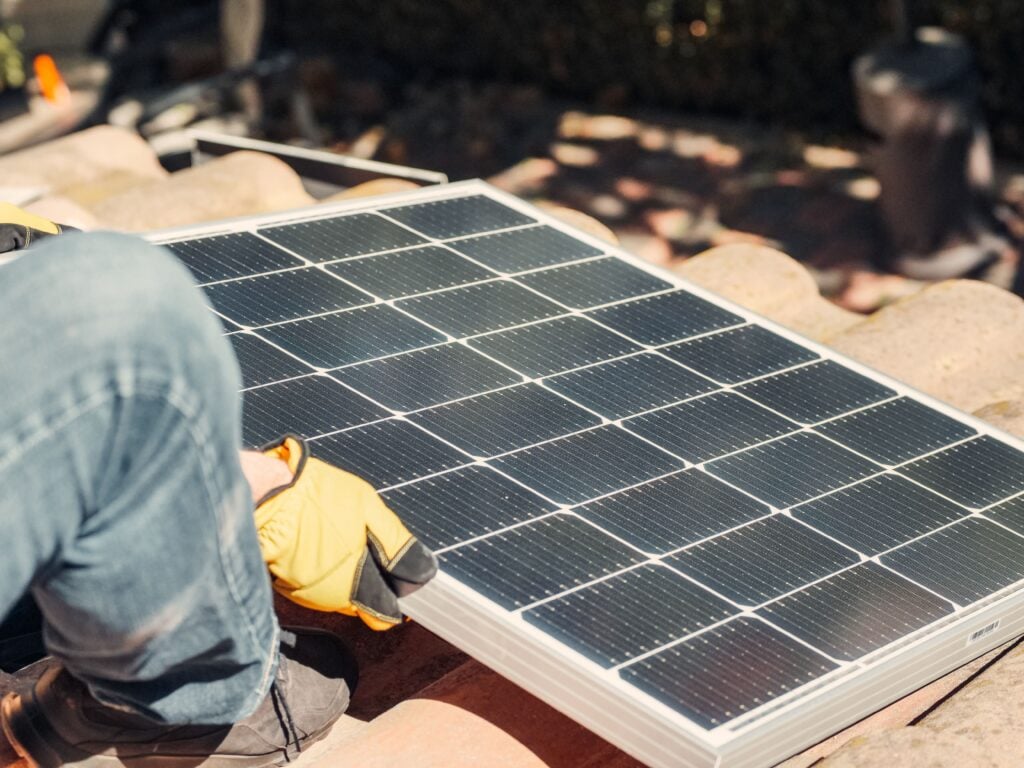
If you’re thinking about upgrading your home’s energy setup, you probably spend a lot of time looking at your roof and wondering how much sunlight it actually gets. It’s easy to picture generating plenty of electricity on a bright, cloudless afternoon in the middle of July, but depending on where you live, perfect weather isn’t a daily guarantee. You might deal with long stretches of overcast skies, unpredictable rainstorms, or thick winter snow. This leads to one of the most common questions homeowners ask: does a solar panel system actually make sense if you don’t live in an area with endless sunshine? The short answer is yes.
It’s a common misconception that renewable energy requires a perfect climate to be effective. While direct sunlight is obviously the best-case scenario for energy production, modern photovoltaic technology is designed to handle the reality of changing seasons. You don’t need three hundred days of sunshine to see a significant drop in your utility bills. Let’s break down exactly how these setups perform when the weather turns cloudy, rainy, or cold.
Generating Power on Cloudy Days
When a dense layer of clouds rolls in, it’s natural to assume your energy production will grind to a halt. However, solar cells don’t need direct, blinding sunlight to function. They can capture diffuse light, which is sunlight that scatters through the clouds and atmospheric particles.
On an overcast day, your production will drop. You can generally expect to generate anywhere from ten to twenty-five percent of your normal output, depending on how dense the cloud cover is. While that sounds like a big dip, it still adds up over time. Some of the most successful regions for renewable energy adoption, like the Pacific Northwest or parts of Western Europe, are famous for their gloomy weather. They still generate plenty of power because the technology captures whatever ambient light is available.
There’s also an interesting phenomenon called the edge-of-cloud effect. When the sun passes right along the edge of a cloud, the water vapor magnifies the light. For brief periods, your system can actually produce more power than it would on a completely clear day. So, while clouds change the rate of production, they certainly don’t shut the system down.
Why Rain is Actually Helpful
Rainy days operate on the same principle as cloudy days. The water falling from the sky doesn’t stop the equipment from working; it’s the cloud cover blocking the sun that causes a temporary dip in output. But rain actually provides a very necessary service for your roof.
Over the course of a few dry weeks, a layer of dust, pollen, and dirt naturally settles on the glass surface of your array. If you live near a busy road or in an agricultural area, that layer of grime builds up even faster. A dirty surface blocks light from reaching the photovoltaic cells, which slowly degrades your system’s efficiency.
A good rainstorm acts as a natural cleaning service. The water washes away the accumulated dirt and leaves the glass sparkling clean. Once the storm passes and the sun comes back out, your system will operate at peak efficiency again. You don’t have to climb up on a ladder with a hose and a squeegee; the weather takes care of the maintenance for you.
Defying the Cold and Snow
Winter weather is where people get the most confused about renewable energy. Most of us associate solar power with heat, assuming that freezing temperatures are bad for production. In reality, the exact opposite is true. Solar cells run on light, not heat. Just like your computer or your smartphone, photovoltaic equipment operates much more efficiently when it’s kept cool.
When the temperature drops, the electrons inside the cells can move more freely, meaning a cold, clear winter day is often the perfect environment for generating electricity. In fact, extreme summer heat can occasionally reduce a system’s efficiency, while cold weather keeps everything running perfectly.
But what about the snow? If your roof is buried under a thick blanket of snow, the cells can’t absorb light. Fortunately, this is rarely a long-term problem. Installers mount the equipment at an angle. Because the glass panels are dark, they absorb heat quickly. As soon as the sun comes out, the surface warms up, and the snow simply slides right off.
Plus, winter provides a unique boost called the albedo effect. When snow covers the ground and the surrounding landscape, it acts like a giant mirror. It reflects sunlight up into the air and onto your roof, allowing your equipment to capture even more ambient light.
Durability During Severe Storms
Homeowners also worry about durability when bad weather strikes. A severe thunderstorm with high winds and hail sounds like a nightmare for glass panels on a roof.
You don’t need to panic every time the forecast calls for a storm. Modern equipment is built to withstand extreme punishment. The surface is made from tempered glass, which is incredibly strong and rigorously tested to survive direct impacts from hail. The mounting hardware secures everything tightly to the roof joists, ensuring the panels won’t fly away during hurricane-force winds. In many cases, the array actually protects the underlying roof from storm damage, acting as a durable shield for your shingles.
Balancing the Seasons for Year-Round Success
The best way to look at renewable energy is through an annual lens, not a daily one. You’re going to have dreary days where production is low. You’ll also have long summer afternoons where you generate far more power than your home can use.
Most homeowners rely on grid-tied systems. When you produce excess energy on a beautiful day, that power goes back into the local grid, and your utility company credits your account. When a storm rolls in and your production drops, you simply pull from those banked credits to power your home. This give-and-take relationship ensures that your lights stay on and your budget remains intact, regardless of what the weather is doing outside.
Unpredictable weather is just a normal part of life. The technology on your roof is engineered to handle it, adapt to it, and keep working in the background so you can enjoy your home without worrying about the forecast.




More Stories
How Do I Get United Airlines Vacation Packages?
How Do I Change My Name on Breeze Airways?
What Is the LATAM Airlines Name Change Policy?