

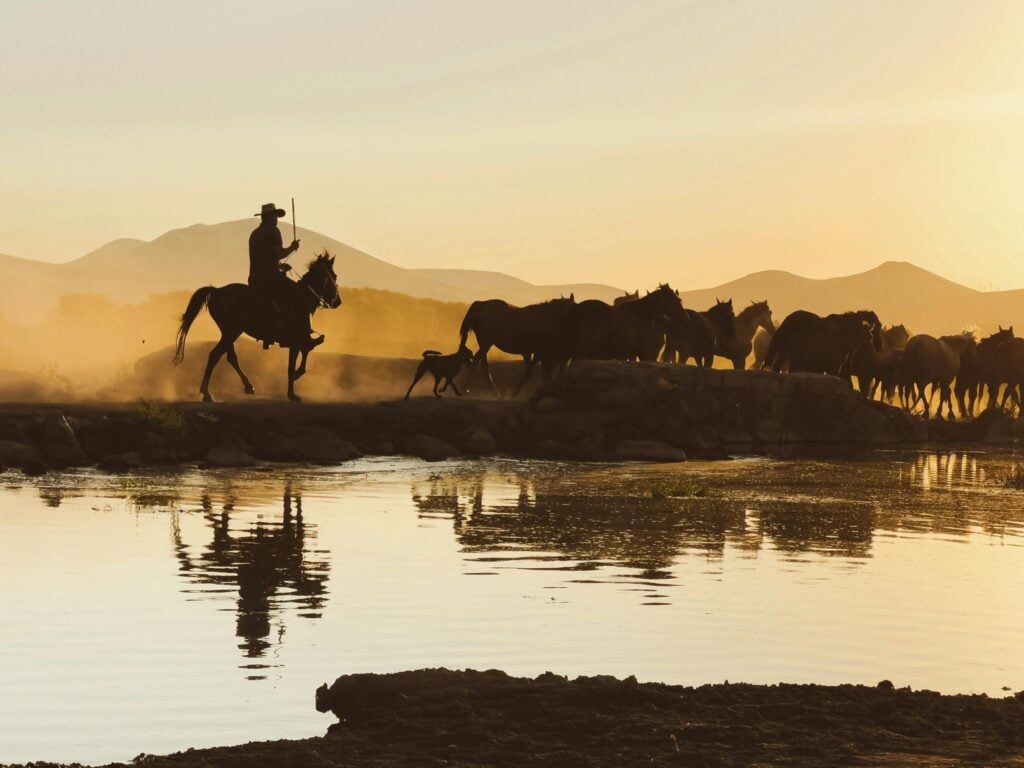
For most people, the idea of a morning commute involves a subway ride or a slow crawl through highway traffic. But for a rancher, that commute is often a solitary drive across hundreds or even thousands of acres of rugged land. It is a drive that has been made every single morning for a century, fueled by a mix of coffee, tradition, and a nagging sense of worry. That worry usually centers on one thing: water. In this business, water is the only thing that really matters. If the water stops, everything else falls apart.
For a long time, the only way to manage that worry was to physically go and look. You drove to every tank, checked every trough, and listened to every pump. It was a lifestyle built on the philosophy that if you didn’t see it with your own eyes, you couldn’t trust it was working. But as we move further into 2026, the world around the ranch is changing. This week alone, news about rising energy costs and the push for better resource conservation has been everywhere. It is a reminder that the old math of ranching (where you could afford to spend half your day just driving around to check things) is starting to break down.
The mental weight of the daily check
There is a certain romanticism to the idea of the lone rancher out on the range, but the reality is often much more stressful. The physical labor is one thing, but it is the mental load that really wears people down. It is the constant “what if” playing in the back of your mind while you are at dinner or trying to sleep. What if a pipe burst an hour ago? What if a tank is overflowing and wasting the very resource you need to survive the summer?
When you live and work in an environment where things are constantly trying to break, your perspective starts to shift. You start looking for ways to stop being reactive. I was thinking about this while reading a recent piece on how leadership in the agritech space is trying to bridge this gap. Andrew Coppin, the CEO of Ranchbot, has been talking a lot lately about how technology is not about replacing the rancher’s eye, but about giving them a better set of glasses. It is a simple idea, but it is a powerful one.
The goal for companies like Ranchbot is to take that “what if” and turn it into a “now I know.” It is about moving the ranch into the modern era without losing its soul. When you can look at your phone and see that every water point is exactly where it should be, you aren’t just saving on diesel. You are saving your own sanity. You are buying back the time you used to spend worrying and putting it back into the actual craft of raising livestock and caring for the land.
A generational shift in how we work
We are seeing a trend this week toward a more integrated, smarter way of living, and ranching is no exception. There is a new generation of producers coming up who have a very different relationship with technology than their parents did. They aren’t interested in the “grind” for the sake of the grind. They want to be efficient because they want the ranch to be around for their own kids. They see that being a good steward of the land means being a good manager of information.
If you can use a satellite to tell you that a tank five miles away is dropping faster than it should, you are no longer just a driver; you are an analyst. You are someone who can fix a problem before the cattle even realize there was one. This is the human side of the digital shift that often gets lost in the talk of sensors and software. It is about making the job more sustainable for the people doing it. By making the daily routine a little less about manual checking and a little more about smart oversight, we are making the lifestyle more attractive to the next generation.
Andrew Coppin and his team seem to understand that the biggest barrier to technology on the ranch isn’t the cost or the complexity; it is the culture. Ranching is a culture of independence. But true independence comes from having control over your resources. If you are at the mercy of a broken float valve you won’t find for two days, you aren’t really independent. You are just lucky.
Finding a new rhythm in the paddock
As we look at the challenges facing us in the middle of this decade, it is clear that we have to find a new rhythm. We cannot continue to manage our most precious resources based on a schedule that was designed before we had the ability to communicate instantly. The cost of the unknown is simply too high.
Every gallon of water that leaks into the ground is a loss for the whole community. Every hour spent driving an empty road is an hour of a life that could be spent elsewhere. When we start to embrace a little more certainty, we aren’t losing our connection to the land. We are actually strengthening it. We are becoming more attuned to the heartbeat of the ranch because we are seeing it in real time, twenty four hours a day.
The shift toward a data driven ranch is not a sell release or a marketing gimmick; it is a fundamental evolution of the industry. It is about taking the best of our traditions, the hard work; the dedication; the love for the animals and pairing them with the best of our inventions. It is about ensuring that the family ranch remains a viable, vibrant business in a world that is moving faster than ever.
In the end, the peace of mind that comes from knowing is worth more than any manual check ever was. It is the freedom to focus on the future instead of just trying to survive the morning commute. As we navigate the complexities of 2026, that clarity is going to be the most valuable tool in the shed. We are finally moving into an era where we can spend less time looking for problems and more time enjoying the life we have built on the land.



More Stories
Oura Pushes for New FDA Category for Wearable Health Alerts
Tailoring Manufacturing to Meet Industry Specific Needs
How Do I Prepare My Child For Vaccines?