

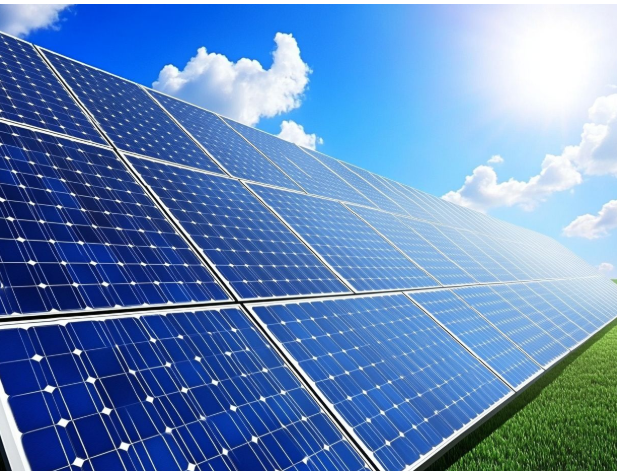
India has been witnessing a rapid push toward renewable energy adoption, owing to the growing concerns about climate change and increasing electricity costs. Solar energy, a clean and abundant resource, has emerged as a practical solution for residential usage. Solar energy systems not only help homeowners reduce their electricity bills but also enable them to contribute to environmental protection.
In this article, we will explore the cost of solar panels for residential use in India, savings potential, and the estimated payback period, alongside key considerations when choosing solar energy for your home in India.
Why Choose Solar Energy for Home?
Solar energy for home offers numerous advantages, making it an attractive choice for Indian households. Some key benefits include:
1. Cost Savings
Solar systems reduce dependency on grid electricity, significantly lowering monthly electricity bills.
2. Renewable Energy Source
Solar power is clean and sustainable, with no harmful emissions, helping to reduce your carbon footprint.
3. Government Incentives
The Indian government offers subsidies and tax benefits, making solar energy investments more affordable.
4. Energy Independence
Solar energy ensures a constant supply of power, even during outages, allowing homeowners to enjoy uninterrupted electricity.
5. Increased Property Value
Installing solar panels can boost the resale value of your property, as many buyers consider it a valuable addition.
Components of a Solar Energy System for Home
Installing a solar energy system at home involves several components, which include:
1. Solar Panels
These are the most vital part of a solar setup and are responsible for converting sunlight into electricity.
2. Inverter
Converts the direct current (DC) generated by the solar panels into alternating current (AC), which powers appliances and electronic devices.
3. Battery Storage (Optional)
Stores excess electricity during the day, ensuring power availability during nighttime or grid outages.
4. Mounting Structures
These are used to securely install and position the solar panels, either on rooftops or ground surfaces.
5. Cables and Wiring
Enable the proper flow of electricity throughout the system.
Actual Solar Panels for Home Costs in India
Understanding the cost of solar panels for home is crucial to make an informed decision. The price of a solar system depends on various factors, such as the type of solar panels used, the capacity of the system, installation size, and additional features like battery storage.
1. Cost of Solar Panels
The average cost of solar panels ranges from ₹30,000 to ₹50,000 per kilowatt (kW). Solar panels come in two types: monocrystalline and polycrystalline. Monocrystalline panels, though slightly more expensive, are more efficient and suitable for areas with limited sunlight. Polycrystalline panels are comparatively cheaper and work well in regions with ample sunlight.
2. System Size
The size of the system is another factor that determines the overall cost. For a typical household with average energy consumption, a 3–5 kW solar system is sufficient. Here’s an approximate cost estimate:
- 1 kW Solar System: ₹40,000–₹60,000
- 3 kW Solar System: ₹1,20,000–₹1,80,000
- 5 kW Solar System: ₹2,00,000–₹3,00,000
3. Additional Costs
Other costs include installation charges (around ₹10,000–₹25,000), inverter (₹20,000–₹50,000), and optional battery storage (₹50,000–₹1,50,000). These costs vary based on the quality and brand chosen.
Monthly Savings with Solar Energy for Home
One of the significant advantages of installing solar panels is the potential savings on electricity bills. The savings depend on your energy consumption and the system capacity. Here’s a rough estimate:
- 1 kW system: Can save ₹1,200–₹1,500 per month.
- 3 kW system: Can save ₹4,000–₹5,500 per month.
- 5 kW system: Can save ₹6,500–₹8,000 per month.
Over a year, these savings accumulate to a substantial amount. Thanks to solar energy, homeowners in India can drastically reduce their dependency on the grid and save thousands annually.
Payback Period for Solar Panels in India
The payback period is essentially the time it takes to recover the initial investment made on a solar energy system using the monthly savings from reduced electricity bills. On average, the payback period for residential solar panels in India is around 5–10 years.
Factors affecting the payback period include:
1. System Size and Upfront Cost
2. Electricity Savings Per Month
3. Government Subsidies
4. Location and Efficiency of Solar Panels
5. Maintenance Expenses
For example, if you invest ₹1,50,000 in a 3 kW solar system and save ₹5,000 per month on electricity bills, it will take around 30 months or 2.5 years to recover your investment fully. For larger systems, the payback period may extend slightly but is still competitive compared to other investments.
Government Subsidies and Benefits
To make solar energy more accessible, the Indian government offers subsidies and tax benefits to homeowners. The subsidies can reduce the upfront cost of solar panel installations by 30–70%, depending on factors like the state you reside in, the type of system, and your eligibility.
Additionally, homeowners who generate excess electricity can sell it back to the grid through net metering, allowing further financial benefits.
Is Solar Energy for Home Worth It?
Installing solar panels at home in India is worth the investment for most homeowners. With constant exposure to sunlight throughout the year in most parts of India, solar energy production is highly efficient. Over time, the savings on electricity bills and potential earning from government schemes can offset the initial cost, leading to substantial financial gains in the long run. When evaluating solar panels for home cost, homeowners will find that the long-term returns far outweigh the initial expenditure, making it a smart financial decision.
Conclusion
Solar energy for home in India is rapidly becoming the preferred choice for residential electricity generation. While the upfront cost may seem high, the long-term savings, payback period, and environmental benefits make solar panels a worthwhile investment.
With the Indian government encouraging households to adopt green energy solutions, such as residential solar systems, now is an excellent time for homeowners to make the leap into sustainable energy. Whether you’re motivated by cost savings or a desire to reduce your environmental impact, a solar energy system tailored to your needs can transform your home into a greener, money-saving haven.
Do thorough research, consult professionals, and take advantage of government schemes to enjoy the benefits of solar energy for home in India. Ultimately, this choice represents a step toward energy independence and environmental stewardship.




More Stories
Georgia Financial Adviser Christopher Burns Remains Wanted in Fraud Case
Andrea and Kent Shannon Accused in $57 Million Tax Refund Fraud Scheme
What Are the Tax Benefits of Taking a Home Loan? A Practical Guide