

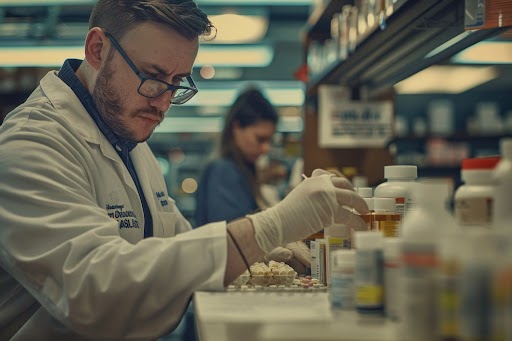
This goes without saying, but healthcare is amongst the most dynamic industries. Out of all the roles, the one position that has seen significant growth and change in recent years is that of a pharmacy technician.
While a lot of people are still under the impression that it is pill counting pills and labeling job, it is way more than that now, and this change can be seen clearly within the high-stakes environment of hospital pharmacies.
Unlike retail settings, where technicians often handle a broader range of administrative tasks, hospital pharmacy roles demand a specialized skill set and precision. This critical distinction is why, almost universally, hospital pharmacies prioritize hiring certified pharmacy technicians.
So, if you are considering a career in this niche, particularly within a hospital setting, understanding the whys in detail is crucial for you.
Understanding the Hospital Pharmacies
First things first, as an aspiring pharma tech, you should understand what exactly a hospital pharmacy is, how it operates, and what makes it different.
Now, you should know that hospital pharmacies operate 24/7 and often serve patients who are in critical care units and even undergoing surgeries. Given such complexities, you’ll be required to compound, repackage, and even sometimes visit hospital rooms while adhering to strict timings.
There’s no easy way to say this, but the pace in such work environments is relentless, the medications are diverse (including highly potent or dangerous drugs), and the margin for error is virtually zero.
However, these are the very reasons why hospital pharmacies hire certified professionals over individuals who’ve only completed a self-paced pharmacy tech training.
Importance of Certification in Hospital Pharmacies
While the above section briefly touched on why hospitals only hire certified pharma techs, this section will expand on it. Here’s why hospitals are willing to pay certified techs more:
Patient Safety
As mentioned before, patients are usually in critical conditions in wards, and even the slightest human error can result in serious consequences. Now, if a candidate is certified, it shows that their skills have been tested, which they may have learned during accredited online pharmacy technician programs. These skills include:
Accurate Dosage Preparation: Especially for IV admixtures and pediatric doses, where calculations must be flawless.
Controlled Substance Management: Rigorous tracking and documentation are required to prevent diversion and ensure proper patient care.
Medication Reconciliation: Certified techs often play a vital role in comparing a patient’s home medications with hospital orders, identifying discrepancies that could lead to errors.
Medication Management
Since hospital formularies are constantly being updated and refreshed, professionals who understand specialty drugs and different compositions are needed to handle this complex management. Certified pharmacy techs are ideal for such tasks as they are trained to:
Manage Inventory: Ensuring critical medications (either brand name of salts) are always in stock and properly stored.
Handle Hazardous Drugs: Following strict safety procedures for chemotherapy and other dangerous substances.
Prepare Sterile Compounded Products: Skilled professionals use aseptic techniques to prepare intravenous (IV) medications, which is particularly important for immunocompromised patients.
Regulatory Compliance
Unlike retail pharmacies, hospitals are subject to stringent regulations from bodies like The Joint Commission, the Centers for Medicare & Medicaid Services (CMS), and state boards of pharmacy. So, of course, they cannot take chances by hiring a non-certified tech. And the fact that certified technicians are validated to adhere to the following regulations makes them the ideal choice:
USP <797> and <800> Standards: These guidelines dictate sterile and hazardous compounding practices.
HIPAA Regulations: Protecting patient privacy is fundamental in all healthcare settings.
State and Federal Laws: Adherence to all laws governing medication storage, dispensing, and record-keeping.
What Does It All Mean For You?
So, if you are an aspiring pharmacy technician, you should understand that getting certified is a must.
However, before you register for the PTCB exam (which is the industry-standard pharmacy certificate), you should enroll in a certified pharmacy technician training program. This way, you can be certain that you don’t have to redo the exam, and you are familiar with the fundamentals of pharmacy.
If you are unsure on how to find the right training program, just make sure you can find the following in the curriculum:
- Pharmacology Fundamentals: Understanding drug classes, mechanisms of action, and potential side effects.
- Pharmacy Law and Ethics: Navigating the legal and ethical responsibilities of the role.
- Sterile and Non-Sterile Compounding: Hands-on training in preparing medications.
- Medication Safety: Identifying and preventing errors.
- Pharmacy Operations: Inventory management, billing, and patient communication.
- Clinical Rotations (Externships): Gaining real-world experience in various pharmacy settings, including hospitals.
Endnote
As healthcare becomes more complex and patient safety initiatives expand, the need for well-trained professionals to manage the intricate world of hospital medications will intensify.
By investing in certified pharmacy technician training through an accredited program, you are not just preparing for a job; you are building a resilient, rewarding, and critically important career in healthcare.




More Stories
Understanding the Role of IB Chemistry Tutors in Structured Exam Preparation
How to Choose the Right Foreign Education Consultant in Mumbai for Your Study Abroad Journey
Advance Your Career with Professional Childcare Education and Practical Skills