

Consider a normal day at a factory. The group is busy with routine maintenance, tightening the bolts on the constantly running turbine. At first, the whole lot looks perfect, no alarms, no visual problems. But after a few hours, a slight vibration is felt. It doesn’t feel serious, so work goes on.
That little vibration gets worse over the next few days. A little problem that becomes an unwanted and sudden shutdown. Operations cease, pressure builds, and losses begin to mount fast.
The big question, of course, is – what went wrong? In a lot of those cases, it’s not a major fault or a broken part. More often than not, it’s something a lot simpler; they didn’t torque the bolts properly. That small inaccuracy can quietly become an expensive and avoidable problem.
What Does Accurate Torque Really Mean in Power Plants?
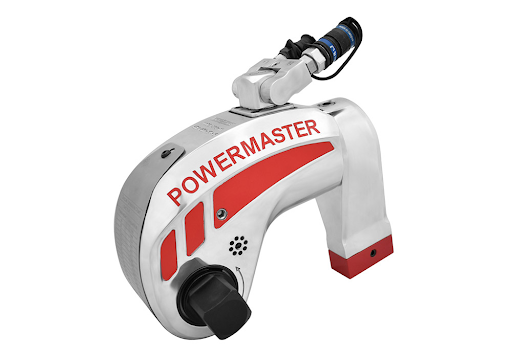
Applying just enough pressure in a properly torqued manner so that the bolt is neither too loose nor too tight. This can be very necessary, especially in power plants, where equipment will work under overcurrent and temperature conditions. Any variations can have dire consequences. Special tools like hydraulic torque wrenches are required to get the correct torque value.
What Happens if the Torque is Too Low or Too High?
The off torque can have two big problems:
- Under-torque: Bolts can additionally loosen due to vibration, causing leaks or failures.
- Overtorque: If you press the bolts too hard, they may weaken and snap.
Both can target unexpected breaks, protection concerns, and add excess money. That’s why it’s so important to use the right tools and do things the right way.
Why is Precision Tightening Critical for Safety and Performance?
Power plants work under hazardous conditions. Any loose flange connection in a steam pipe or a damaged bolt in a turbine engine creates a hazardous situation.
Proper torque is essential in ensuring that:
- The system seals properly in a high-pressure environment
- Lodges evenly distributed loads
- Deterioration of mechanical parts is minimized
Combined with better tools that have impact socket, the bolt-tightening method translates to added accuracy and time savings.
How Do Modern Tools Improve Torque Accuracy?
The older forms of bolt tightening tend to be reliant on manual input, which varies according to individuals. New approaches, like the hydraulic torque wrench, remove the possibility for error by utilizing the force of hydraulics.
They provide:
- Consistent accuracy when dealing with numerous bolts
- Less fatigue on the part of the operator
- Better control in powerful settings
Such consistency is crucial when performing maintenance shutdowns, wherein hundreds of bolts are tightened against the clock.
How Does Accurate Torque Reduce Downtime in Power Plants?
A downtime in power plants is equivalent to a cash loss. Inadequate torque will result in issues regarding wanting daily maintenance and unscheduled shutdowns.
With proper torque from the onset:
- The equipment operates effectively.
- The maintenance process is predictable.
- There is minimal emergency maintenance.
The truth of the matter is that correct torque saves time and money in the long term.
Conclusion
Torque accuracy may appear to be a minor issue, yet within a power plant, it becomes an extremely important factor when it comes to safety, efficiency, and performance. What differentiates a stable system from expensive failure is nothing but accurate bolt tensioning. Using appropriate torque devices, impact sockets and performing work accurately will significantly decrease the possibility of any malfunction occurring in the first place. For that reason, torque accuracy matters immensely when dealing with a power plant.




More Stories
Home Insurance Guide: Protecting Jewellery and Valuable Possessions
From Community Service to Exequatur: The Real Path to an Honorary Consul Appointment
Southern Odisha’s Service Contract – What TPSODL Owes Its Paying Consumers