

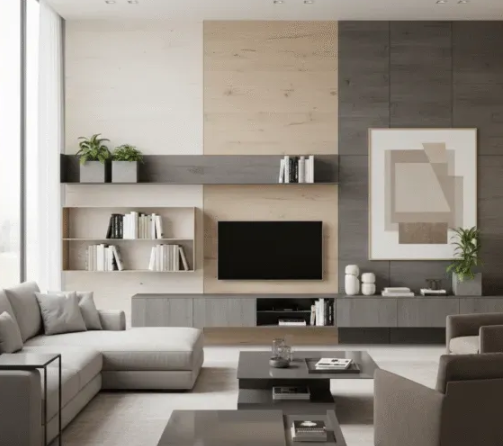
Choosing the right laminate is an important part of creating furniture that combines visual appeal, durability, and practical performance. From wardrobes and kitchen cabinets to office desks, retail fixtures, and hospitality furniture, the surface needs to suit the environment and intended use. Virgo laminates offers high-pressure laminate solutions designed around durability, design flexibility, and diverse architectural applications.
Understanding factors such as application, finish, resistance, maintenance, thickness, design, and technical requirements can help buyers make better decisions for different furniture projects.
1. Start With the Furniture Application
The first step is identifying where and how the furniture will be used. A wardrobe in a bedroom will generally experience different conditions from a kitchen cabinet, office workstation, retail counter, or hotel reception desk.
Consider the amount of daily handling, exposure to moisture, potential impact, heat levels, and cleaning frequency. Furniture used in busy commercial spaces may require greater resistance than pieces intended for occasional residential use.
Matching the laminate to the furniture’s purpose helps ensure the selected surface provides appropriate functionality while maintaining its appearance.
2. Evaluate Durability Requirements
Furniture surfaces experience regular contact and friction. Doors are opened repeatedly, countertops are cleaned frequently, and desks may be exposed to spills, scratches, and impact. Therefore, durability should be considered before focusing solely on colour or appearance.
High Pressure Laminates can provide a combination of aesthetic flexibility and technical performance. The product information highlights resistance to moisture, heat, and impact, making performance an important consideration when selecting surfaces for demanding applications.
Before making a decision, think about the expected service conditions and select a surface that aligns with the level of use.
3. Choose the Right Colour and Pattern
Furniture often contributes significantly to the visual character of an interior. The laminate should therefore complement the surrounding design elements, including flooring, walls, ceilings, lighting, upholstery, and other furniture.
Neutral colours can provide long-term versatility, while bold shades or distinctive patterns can create a stronger focal point. Wood-inspired and other decorative appearances can also help achieve specific design themes.
It is useful to review samples before finalising a selection. Colours may appear different depending on natural light, artificial lighting, surrounding materials, and room size.
4. Consider Surface Finish and Texture
Finish and texture influence both appearance and the overall feel of furniture. Depending on the project, designers may prefer subtle matte surfaces, richer textures, smooth finishes, or decorative patterns.
The choice should reflect the intended atmosphere of the space. A professional office may benefit from understated surfaces, while hospitality and retail projects may allow greater creative freedom.
Texture should also be evaluated for practicality. Furniture that receives frequent handling may benefit from a finish that suits regular cleaning and everyday use.
5. Check Resistance to Everyday Conditions
Different furniture applications expose laminates to different environmental conditions. Kitchen furniture can encounter moisture and heat, while commercial furniture may experience repeated impact and heavy use.
For this reason, consider the surface’s resistance characteristics before ordering. The manufacturing information highlights durability and resistance to moisture, heat, and impact as key performance considerations.
Understanding these properties helps professionals select surfaces according to the conditions in which the furniture will operate.
6. Assess Maintenance and Cleaning Needs
A visually attractive surface should also be practical to maintain. Furniture in offices, kitchens, healthcare facilities, hospitality environments, and retail spaces may require frequent cleaning.
Before selecting a laminate, consider the expected cleaning routine and follow the relevant manufacturer recommendations for care. Choosing an appropriate surface can help simplify everyday maintenance and support a cleaner, more consistent appearance.
Maintenance requirements should be considered alongside durability because a furniture surface needs to remain practical throughout its expected service life.
7. Verify Thickness and Substrate Compatibility
Laminate selection involves more than choosing a colour and design. Thickness, substrate compatibility, bonding requirements, edge treatment, and fabrication methods can all affect the final result.
Before placing an order, furniture manufacturers and fabricators should verify the technical requirements of the project. The selected laminate should be compatible with the substrate and intended installation method.
Taking these factors into account during the planning stage can help reduce fabrication issues and support a cleaner finished appearance.
8. Explore Different Product Categories
A wide product range can give designers greater flexibility when developing furniture and interior concepts. Different projects may require different surface solutions depending on their application.
The product range includes High Pressure Laminates, Interior Compacts, Exterior Compacts, Specialty Decorative Surfaces, Panel X products, and Aluminium Coils and Sheets. Its laminate collections also include different catalogue themes and surface designs intended for contemporary interiors.
When comparing a laminates supplier online, review the available design collections, technical information, application areas, and support resources rather than judging products solely by photographs.
9. Consider Custom Surface Requirements
Some furniture projects have specialised design or performance requirements that may not be fully addressed by standard options. Large commercial projects, customised interiors, and distinctive furniture concepts may require specific surface combinations or solutions.
Customisation can provide greater flexibility when standard laminate selections do not meet a project’s needs. The company states that its experts can develop custom HPL solutions according to specific project requirements.
When considering custom solutions, provide clear information about dimensions, intended application, design preferences, performance expectations, and installation conditions.
10. Review Quality and Certification Information
Quality standards and certifications can provide useful information when comparing surface materials. Buyers should review available documentation and determine whether the products meet the requirements of their particular project.
The website identifies global standards and certifications such as CE, FSC, and ISO as part of its quality, sustainability, and safety focus.
For projects with specific environmental or construction requirements, reviewing relevant certifications before purchase can support more informed material selection.
Conclusion
Selecting laminates for furniture requires careful consideration of both design and performance. Application, durability, finish, resistance, maintenance, compatibility, certifications, sustainability, and customisation can all influence the final decision. A well-matched surface can help furniture maintain its appearance while supporting practical requirements across residential and commercial environments. Reviewing technical information and comparing products according to actual project needs makes the selection process more effective and informed.
For diverse furniture and interior applications, Virgo laminates provides High Pressure Laminates, Interior and Exterior Compacts, Specialty Decorative Surfaces, Panel X products, plywood, and aluminium solutions. Its offerings serve architects, interior designers, OEMs, contractors, fabricators, dealers, and distributors. The company also provides product catalogues, technical resources, and custom HPL solutions tailored to specific project requirements.




More Stories
Southern Odisha’s Service Contract – What TPSODL Owes Its Paying Consumers
Is Hero Passion Pro Still a Smart Bike for Daily Commute
Statement Styles for Every Occasion: A Guide to Contemporary Women’s Fashion