

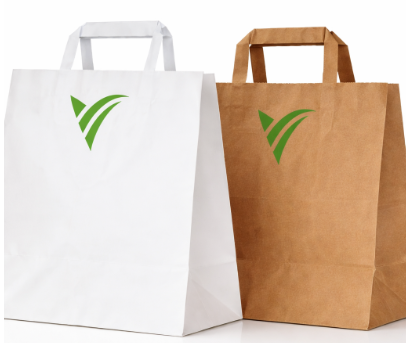
Packaging plays an important role in how businesses protect, present, and deliver their products. From retail stores and supermarkets to restaurants and gift shops, companies need packaging that is practical, affordable, and suitable for everyday use. As environmental awareness grows, many businesses are exploring paper bags in bulk to meet their packaging requirements while reducing their dependence on conventional plastic packaging. Paper bags offer a convenient way to carry products, support brand promotion, and create a positive impression among customers. With different sizes, designs, and paper qualities available, businesses can select packaging that matches their products, customers, and operational needs.
Understanding the Importance of Paper Packaging
Paper packaging has become a popular choice for businesses looking for functional and presentable carrying solutions. These bags are commonly used for groceries, clothing, bakery products, cosmetics, books, takeaway orders, and promotional materials. Their versatility makes them suitable for businesses of different sizes and industries.
Unlike many conventional plastic bags, paper bags can be manufactured using paper sourced from renewable materials. Depending on the paper grade, production process, inks, coatings, and local waste management facilities, they may also be recyclable or compostable. Businesses should evaluate these factors before choosing packaging because not every paper bag has the same environmental characteristics.
Benefits of Buying Packaging in Larger Quantities
For businesses with regular packaging requirements, purchasing bags in larger quantities can simplify procurement and improve stock management. It also helps companies maintain consistent packaging across their outlets and sales channels.
Some important benefits include:
- Better cost planning: Bulk orders may offer lower prices per bag compared with smaller purchases, depending on quantity and supplier terms.
- Consistent availability: Maintaining sufficient stock reduces the risk of running out during busy business periods.
- Uniform presentation: Ordering the same specifications helps businesses maintain consistency in size, colour, and quality.
- Simplified purchasing: Fewer purchasing cycles can reduce administrative work and make inventory planning easier.
- Branding opportunities: Larger orders may make customised printing more practical for businesses with established packaging requirements.
Before placing an order, companies should compare quotations, minimum order quantities, delivery charges, and production timelines. Selecting a supplier based only on the lowest price may not deliver the best overall value if the bags lack durability or fail to meet specific requirements.
Choosing the Right Paper Bag for Your Business
Every business has different packaging needs. A bakery may require bags for lightweight food items, while a clothing retailer may prefer stronger bags with handles and attractive printing. Choosing the correct specifications can improve usability and reduce unnecessary packaging waste.
Consider these factors before making a purchase:
- Paper quality: Kraft paper is commonly used because it offers a natural appearance and is available in different strengths.
- Bag dimensions: The width, height, and gusset should accommodate the products comfortably.
- Handle design: Flat paper handles, twisted handles, and handle-free options suit different products and carrying requirements.
- Weight capacity: Check whether the bag can safely carry the expected load without tearing.
- Printing requirements: Choose suitable colours, artwork, and branding elements that remain clear and readable.
- Storage conditions: Keep unused bags in a clean, dry location to protect them from moisture and damage.
Businesses should also consider how frequently bags will be used. A retail outlet with steady daily sales may benefit from standardised sizes, whereas a gift shop might need several designs for different occasions.
Supporting Sustainable Packaging Practices
Environmental responsibility involves more than replacing one material with another. Businesses need to consider how packaging is manufactured, transported, reused, and disposed of after use. Paper bags can support responsible packaging strategies when their material choices and end-of-life arrangements are carefully considered.
For instance, using appropriately sized bags can reduce excess material. Avoiding unnecessary layers and decorative elements may also simplify recycling. Where practical, businesses can encourage customers to reuse suitable bags before disposing of them.
However, paper production requires resources, including water and energy. The environmental impact of a bag depends on its composition, manufacturing process, transport distance, number of uses, and disposal method. Reusing bags and following local recycling guidelines can help businesses and customers make more informed choices.
Exploring Alternatives to Conventional Plastic Packaging
The most suitable alternative depends on the product being carried and the conditions in which the packaging will be used. As companies review their packaging policies, many are considering plastic alternative bags that meet practical requirements without relying entirely on traditional single-use plastic. Businesses can assess their packaging options by considering:
- Product protection: Packaging should protect goods against ordinary handling and transport conditions.
- Customer convenience: Bags should be easy to carry, open, and store when needed.
- Environmental considerations: Material sourcing, reusability, recyclability, and local disposal facilities should influence purchasing decisions.
- Business requirements: Packaging must align with operating costs, branding, product dimensions, and customer expectations.
Making a thoughtful selection helps businesses balance environmental goals with the practical demands of daily operations.
Why Supplier Selection Matters
A dependable packaging supplier can help businesses maintain consistent quality and reliable stock levels. Companies should look for suppliers that communicate clearly about product specifications, order quantities, printing options, and delivery schedules. Requesting samples before committing to a large order can be particularly useful. Samples allow purchasing teams to examine the paper thickness, handle strength, finish, dimensions, and print quality. Businesses can also test bags with representative products to determine whether they meet everyday requirements.
Clear communication is equally important when ordering customised packaging. Providing accurate artwork, colour references, measurements, and quantity requirements helps reduce errors. Establishing reorder schedules can further support efficient inventory management, particularly for retailers and food businesses with recurring demand.
Conclusion
Choosing suitable paper packaging can help businesses improve product presentation, organise purchasing, and respond to changing customer expectations. By evaluating material quality, bag strength, design, and supplier reliability, companies can develop a packaging strategy that supports both commercial goals and responsible resource use.
VTPL offers businesses an opportunity to explore paper bag solutions for different packaging applications. Whether a company needs everyday retail bags, customised packaging, or larger quantities for ongoing operations, selecting products that match its requirements is an important first step.



More Stories
Network Switchers’ Season: What Drives Jio-to-Airtel Migrations
What Is Nifty 50 and How Is It Calculated?
What Are the Most Popular Ladies Pakistani Clothes This Year?