

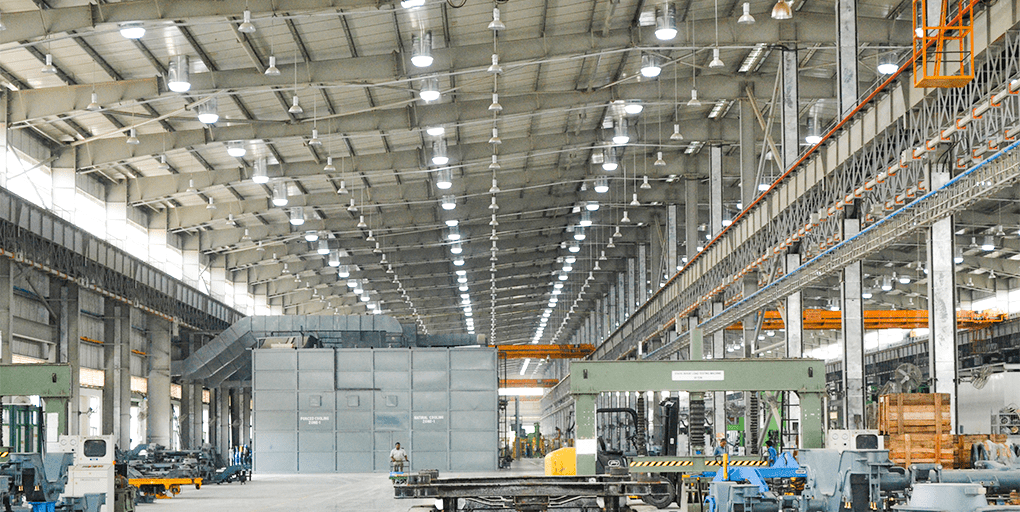
Daylighting means using natural sunlight to light indoor spaces. Buildings account for a large share of energy use, especially for lighting, cooling, and heating. When spaces depend more on natural light, they use less electricity. This simple shift helps lower energy use and reduces operating costs over time.
What Does Daylighting Mean in Building Design?
In building design, the focus is on bringing in sunlight in a controlled way. Architects place windows, skylights, and glass panels to let in enough light without causing glare or heat problems. The goal is to spread light evenly across rooms so people do not need to rely on artificial lighting during the day. Proper planning ensures that natural light reaches deeper into the building.
Reducing Dependence on Artificial Lighting
Using natural light during the day reduces the need for electric lighting. This helps buildings cut energy use directly and practically. Key benefits include:
- Lower Electricity Use: Natural light replaces artificial lighting for several hours each day, which reduces overall power consumption.
- Cost Savings: Reduced use of electric lights leads to lower energy bills over time.
- Longer Fixture Life: Lights that are used less often last longer, which lowers maintenance and replacement needs.
By relying more on natural light, buildings can maintain proper lighting levels while using less energy.
Cutting Down Cooling Energy Use
Natural light also affects indoor temperature and cooling needs. When used correctly, it helps control heat levels inside buildings. This can be seen in the following ways:
- Reduced Heat from Lighting: Artificial lights produce heat, so using them less helps keep indoor spaces cooler.
- Lower Air Conditioning Demand: With less heat buildup, cooling systems do not need to work as hard.
- Controlled Sunlight Entry: Design features such as shading devices and strategic window placement help prevent excessive heat while still allowing light inside.
These factors work together to lower the energy required for cooling.
Supporting Efficient Building Design
Daylighting works best when it is included in the early stages of building design. Several design choices help improve its effectiveness:
- Building Orientation: The direction a building faces affects how much sunlight it receives throughout the day.
- Reflective Materials: Surfaces that reflect light help distribute it over larger areas, reducing the need for additional lighting.
- Advanced Glazing: Special glass controls heat entry while allowing enough natural light inside.
These design elements help buildings use natural light in a balanced and efficient way.
Environmental and Occupant Benefits
Natural light provides benefits beyond energy savings. It supports both environmental goals and indoor comfort. These advantages include:
- Lower Emissions: Reduced energy use leads to fewer carbon emissions from power generation.
- Improved Comfort: Natural light creates a more pleasant and well-lit indoor environment.
- Better Productivity: People often work more effectively in spaces with good natural light.
These added benefits make it valuable for both building performance and occupant well-being.
Conclusion
Using natural light helps reduce energy consumption by lowering the need for artificial lighting and cooling. It also supports better building design and improves indoor comfort. By making better use of Daylighting, buildings can save energy while creating healthier spaces.



More Stories
Home Insurance Guide: Protecting Jewellery and Valuable Possessions
From Community Service to Exequatur: The Real Path to an Honorary Consul Appointment
Southern Odisha’s Service Contract – What TPSODL Owes Its Paying Consumers