

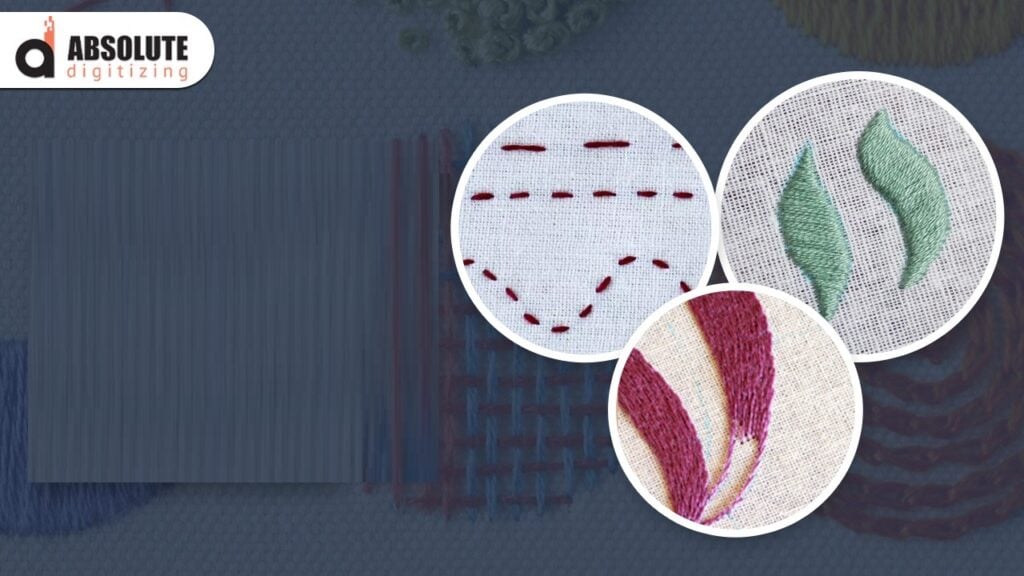
Choosing the Right Embroidery Stitch
Have you ever looked at an embroidered design and wondered why some logos appear crisp and professional while others look bulky or uneven? The answer often comes down to one important decision: choosing the right embroidery stitch.
Just like a painter selects different brushes for different effects, embroiderers use different stitch types to create beautiful, durable designs. The stitch you choose can impact everything from appearance and texture to durability and production speed.
Whether you’re creating custom apparel, embroidered patches, hats, or corporate logos, understanding stitch selection is essential for achieving high-quality results.
Why Choosing the Right Embroidery Stitch Matters
Embroidery is more than simply placing thread on fabric. Every stitch serves a specific purpose and affects how the final design looks and performs.
Selecting the right stitch helps:
- Improve design clarity
- Enhance durability
- Reduce thread breaks
- Prevent fabric puckering
- Increase production efficiency
- Create a professional appearance
A well-digitized design uses stitch types strategically to bring artwork to life.
Understanding the Main Types of Embroidery Stitches
Before choosing the best stitch, it helps to understand the most common embroidery stitch types.
Satin Stitch
The satin stitch is one of the most popular embroidery stitches.
Best Used For:
- Text and lettering
- Borders
- Small design elements
- Logos
Satin stitches create a smooth, shiny appearance and provide excellent coverage.
Fill Stitch
Fill stitches are designed for larger areas that require solid coverage.
Best Used For:
- Large shapes
- Background sections
- Patch designs
- Bold graphics
Fill stitches offer texture and durability while covering large spaces efficiently.
Running Stitch
Running stitches are simple lines of stitching used for fine details.
Best Used For:
- Outlines
- Small details
- Decorative accents
- Lightweight designs
These stitches use less thread and help maintain clean, delicate features.
How Fabric Affects Stitch Selection
One of the biggest factors in choosing the right embroidery stitch is the type of fabric being embroidered.
Stable Fabrics
Examples include:
- Denim
- Canvas
- Twill
These materials can handle denser stitch patterns with minimal distortion.
Stretch Fabrics
Examples include:
- Performance wear
- T-shirts
- Knit garments
Stretch fabrics often require lighter densities and stronger underlay support.
Thick Fabrics
Examples include:
- Towels
- Fleece
- Heavy jackets
These materials may need larger stitches and specialized digitizing adjustments to ensure visibility.
Matching Stitch Types to Design Elements
Different parts of a design often require different stitch styles.
For Small Text
Satin stitches usually provide the best readability.
For Large Logos
Fill stitches help create smooth and consistent coverage.
For Fine Details
Running stitches preserve intricate elements without adding bulk.
Professional digitizers often combine multiple stitch types within a single design to achieve optimal results.
Common Mistakes When Choosing Embroidery Stitches
Even experienced embroiderers occasionally make stitch selection errors.
Using Satin Stitches for Large Areas
This can lead to:
- Loose stitches
- Snagging
- Uneven coverage
Using Fill Stitches for Tiny Text
Small lettering may become difficult to read and lose definition.
Ignoring Fabric Type
A stitch that works well on a jacket may perform poorly on a stretchy polo shirt.
Understanding how stitches interact with fabric is key to embroidery success.
The Role of Digitizing in Stitch Selection
Embroidery digitizing is where stitch decisions are made.
Professional digitizers determine:
- Stitch types
- Stitch direction
- Density settings
- Underlay structure
- Pull compensation
These factors influence both appearance and machine performance.
A well-digitized design ensures stitches work together to create a clean, balanced result.
Why Businesses Trust Absolute Digitizing
For businesses seeking professional embroidery files, Absolute Digitizing provides expert digitizing services that prioritize proper stitch selection.
Benefits of Working with Absolute Digitizing
Experienced Digitizers
Every design is manually digitized to maximize stitch quality and machine efficiency.
Fabric-Specific Adjustments
Files are customized according to garment type and embroidery application.
Clean Stitching Results
Optimized stitch paths help reduce thread breaks and production issues.
Fast Turnaround
Projects are completed quickly while maintaining high standards.
Reliable Customer Support
Clients receive guidance and assistance throughout the digitizing process.
Tips for Choosing the Right Embroidery Stitch
Follow these practical tips to improve embroidery quality.
Start with the Design Purpose
Ask yourself:
- Is it a logo?
- A patch?
- Decorative artwork?
- Small lettering?
The purpose helps determine the best stitch style.
Consider Design Size
Large areas often require fill stitches, while narrow elements benefit from satin stitches.
Test Before Production
Running a sample stitch-out allows you to identify potential issues before starting large orders.
Work with Professional Digitizers
Experienced digitizers understand how to balance stitch types for optimal embroidery results.
Benefits of Proper Stitch Selection
Choosing the right embroidery stitch offers several advantages.
Better Appearance
Designs look cleaner and more professional.
Improved Durability
Proper stitches withstand washing and daily wear more effectively.
Faster Production
Optimized stitch paths improve machine efficiency.
Reduced Costs
Fewer production errors mean less wasted thread, fabric, and labor.
Conclusion
Mastering the art of choosing the right embroidery stitch is one of the most important steps in creating high-quality embroidery. Every stitch type serves a unique purpose, and selecting the correct one can dramatically improve appearance, durability, and production efficiency.
From satin stitches for crisp lettering to fill stitches for large design areas and running stitches for fine details, understanding when and where to use each stitch is essential. By working with experienced professionals like Absolute Digitizing, businesses and embroiderers can ensure every design is optimized for beautiful, reliable results.
FAQs
What is the most commonly used embroidery stitch?
The satin stitch is one of the most commonly used stitches because it works well for lettering, borders, and small design elements.
Which stitch is best for large embroidery areas?
Fill stitches are generally the best choice for large areas because they provide consistent coverage and durability.
How does fabric affect stitch selection?
Different fabrics respond differently to embroidery. Stretch fabrics often require lighter densities, while stable fabrics can support denser stitching.
Why is stitch selection important in embroidery digitizing?
Proper stitch selection improves design quality, machine performance, durability, and overall embroidery appearance.
Can multiple stitch types be used in one design?
Yes. Professional digitizers often combine satin, fill, and running stitches within a single design to achieve the best results.


More Stories
Turning Ideas into Products: The Role of CAD Technology in Product Development
Home Insurance Guide: Protecting Jewellery and Valuable Possessions
From Community Service to Exequatur: The Real Path to an Honorary Consul Appointment