

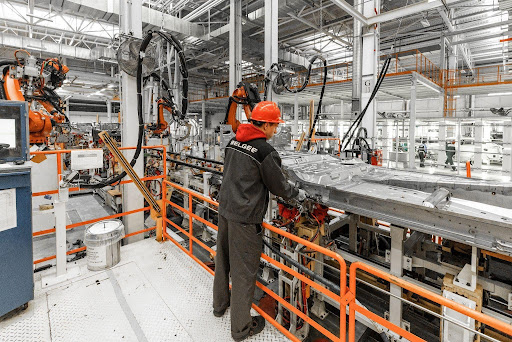
Industrial ecosystems across the UAE are undergoing a structural shift where precision, connectivity, and efficiency define operational success. Facilities that once relied on manual coordination are now powered by intelligent systems that synchronize processes across multiple stages. Within this evolving landscape, automation companies in Dubai are enabling industries to adopt technologies that align production with modern performance expectations.
Organizations are moving toward integrated environments where machines, software, and data operate in harmony. These systems support consistent output, reduce operational variability, and improve overall process control. As industries scale and diversify, automation is becoming a strategic necessity rather than a supplementary upgrade.
Foundations of Industrial Automation Systems
Automation systems are built on a framework of interconnected components that manage industrial operations with minimal human involvement. These systems combine hardware and software to execute tasks with high precision while maintaining consistency across production cycles. Each element contributes to a controlled and predictable operational environment.
At the core, automation integrates sensors, controllers, and execution systems that communicate in real time. This continuous exchange of information allows industries to monitor processes, adjust performance, and maintain quality standards. The result is a streamlined system that supports both stability and scalability across industrial functions.
Key Technologies Powering Industrial Automation
A modern automation setup relies on multiple technologies that work together to ensure efficient operations. These technologies enable industries to manage complex processes with accuracy while reducing dependency on manual intervention.
Core technologies include:
- Control Systems
These systems manage machine behavior and coordinate tasks across production lines. They ensure smooth execution of processes while maintaining operational consistency. - Robotic Systems
Robotics handle repetitive and high-precision tasks such as assembly and packaging. Their integration improves speed and accuracy while minimizing operational fatigue. - Industrial Software Platforms
Software tools provide centralized monitoring and analytics. They allow operators to track performance metrics and optimize workflows through data-driven insights.
By combining these technologies, industries create efficient systems that support continuous production and improved coordination.
Role of Automation in Industrial Productivity
Automation significantly enhances productivity by reducing process inefficiencies and improving operational flow. Machines operate with consistent precision, allowing industries to maintain uniform output across large production volumes. This level of accuracy is essential for maintaining quality standards in competitive markets.
Real-Time Process Monitoring
Continuous monitoring enables industries to track performance metrics and identify inefficiencies instantly. This allows quick adjustments that maintain system stability. It also improves decision-making by providing accurate operational insights.
Workflow Optimization
Automation streamlines workflows by eliminating redundant steps and improving coordination between processes. This leads to faster production cycles and reduced delays. Optimized workflows ensure that resources are utilized effectively across operations.
Reduced Operational Variability
Automated systems minimize inconsistencies caused by manual processes. This results in uniform product quality and improved reliability. Consistency is crucial for industries that require precision across every production stage.
Enhanced Output Efficiency
Automation enables continuous operation without interruptions. This increases overall production capacity while maintaining performance standards. Industries benefit from higher output with controlled operational costs.
Within this evolving framework, automation companies in Dubai contribute by delivering solutions that align technological capabilities with industrial requirements.
Applications Across Industrial Sectors
Automation is widely adopted across various industries, each benefiting from tailored solutions that address specific operational challenges. These applications demonstrate the versatility and effectiveness of automation systems in diverse environments.
Manufacturing facilities rely on automation for assembly, quality inspection, and packaging processes. These systems ensure consistent output while improving production speed. Logistics operations use automation to manage inventory, track shipments, and streamline material handling.
Energy and process industries benefit from continuous monitoring systems that maintain stability and optimize resource usage. These applications highlight how automation enhances efficiency across different sectors while supporting operational reliability.
Smart Integration with Advanced Technologies
Automation systems are increasingly integrated with advanced technologies that enhance performance and decision-making capabilities. These integrations create intelligent environments where systems adapt to changing conditions and optimize operations automatically.
Integration features include:
- Predictive Maintenance Systems
These systems analyze equipment behavior to identify potential issues before they occur. This reduces downtime and extends equipment lifespan. - Data Analytics Platforms
Analytics tools process operational data to improve workflows and efficiency. They provide insights that support better decision-making. - Connected Industrial Networks
Machines communicate through integrated networks, ensuring seamless coordination across processes. This connectivity enhances system performance and reliability.
Such integration supports the development of advanced industrial environments that operate with intelligence and precision.
Enhancing Safety and Operational Reliability
Automation plays a critical role in improving workplace safety by reducing human involvement in high-risk tasks. Machines handle complex operations with precision, minimizing the chances of errors and accidents. This creates a safer working environment for personnel.
Automated Risk Control
Automation systems monitor operations and detect irregularities in real time. This allows immediate corrective action, reducing potential risks. Continuous monitoring ensures stable and controlled operations.
Reduced Human Exposure
By automating hazardous tasks, industries limit human interaction with dangerous environments. This improves safety standards and reduces workplace incidents.
Emergency Response Systems
Automated systems are equipped with response mechanisms that activate during critical situations. These features ensure quick action and minimize potential damage.
Consistent Safety Standards
Automation maintains uniform safety protocols across operations. This consistency ensures compliance with industrial safety regulations and enhances reliability.
Through these capabilities, industries achieve a balance between productivity and safety, ensuring sustainable operations.
Choosing the Right Automation Partner
Selecting a reliable partner is essential for successful automation implementation. The right provider ensures that systems are designed and integrated to meet specific operational requirements. This partnership supports long-term efficiency and system performance.
A strong automation partner offers expertise in system design, installation, and maintenance. Their experience helps industries navigate complex processes and achieve optimal results. Additionally, customizable solutions allow businesses to adapt systems to evolving needs.
Final Thoughts
What does it take for industries to stay competitive in an environment driven by precision and efficiency? The answer lies in adopting systems that combine advanced engineering with intelligent control. Businesses seeking long-term growth must align their operations with technologies that support scalability and reliability.
Dynamic plays a vital role in this transformation by delivering integrated engineering solutions tailored to industrial requirements. As a trusted industrial solutions company in UAE, the organization supports businesses in implementing advanced systems that improve performance, optimize workflows, and ensure consistent operational excellence.




More Stories
Turning Ideas into Products: The Role of CAD Technology in Product Development
Home Insurance Guide: Protecting Jewellery and Valuable Possessions
From Community Service to Exequatur: The Real Path to an Honorary Consul Appointment