

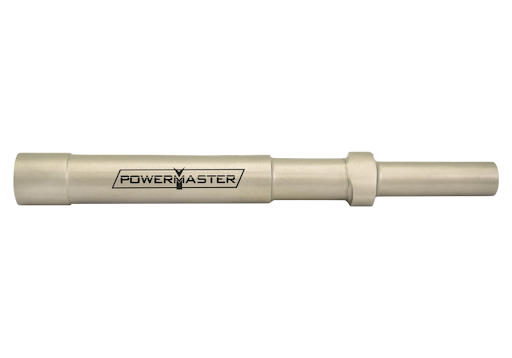
As any heat exchanger or boiler worker knows, taking out tubes is not always easy. The tubes sit firmly in a heavy metal plate called the tube sheet. When the workers are repairing or replacing the tubes, they are required to pull them out. This is where a tube drift helps.
A tube drift, also called a knockout tool, is small but very useful. It forces the tubes or tube stubs out of the tube sheet without damaging the sheet. Using the right tube drift helps workers remove tubes safely.
How Tube Drift Works?
The tool is operated with a pneumatic chipping hammer, which provides rapid, successive blows. The hammer’s force is then transmitted through the drift to directly impact the tube, ensuring a controlled, efficient removal process that does not damage the tube sheet or the surrounding metal.
Step-by-Step Process
- Insert the drift into the end of the tube.
- Use the hammer to deliver repeated light impacts.
- The drift transfers force directly to the tube.
- The tube slides out cleanly without damaging the sheet.
Think of it as tapping something loose with a tool, but for tubes.
Common Applications Of Tube Drift
Many industries rely on tube drifts to keep their equipment working well. They make removing tubes safer and easier, and help prevent costly damage during maintenance.
Tube drifts are widely used in industries like:
- Power plants
- Chemical plants
- Refineries
- Manufacturing facilities
Any place with boilers, condensers, or heat exchangers often relies on this simple tool to get tubes out efficiently. The proper size tube drift should be chosen before use to ensure the application is safe and effective.
Choosing the Right Size
Tube drifts are available in various diameters to match the broad range of tube sizes used in industrial apparatus. It is important to choose the appropriate size; a drift that is too small will not press the tube, and removing it will be frustrating and slow. On the other hand, excessive drift may damage the tube sheet, resulting in additional labour and possible repairs.
The proper drift size guarantees that the tube is released without any difficulties, without causing harm to the user, and with minimum effort, which contributes to making the maintenance process much quicker and more dependable.
- Shank Types
The shank is the one that fits in the pneumatic hammer. Normal shanks are common, though larger shanks may be required for heavy use. The right fit will be used to transfer the hammer’s energy.
- Reach of the Drift
Most drifts have a reach of about six inches, enough for standard tubes. For recessed or deeper tubes, longer drifts are available. The key is applying force exactly where it’s needed without damaging the surrounding metal.
- Why Not Use a Regular Rod?
It might seem easier to use any metal rod to knock out tubes, but that can cause problems. A tube drift is designed to do the job safely and correctly.
- Tube drifts spread impact evenly.
- They prevent the tube sheet from bending or chipping.
- Removal is controlled, reducing repair costs.
Even minor damage can lead to bigger issues in industrial maintenance, so a drift is safer and more reliable.
Conclusion
A tube drift is a vital knockout device that ensures tube removal is faster, safer, and cleaner. It is used along with a pneumatic hammer and is available in different sizes to suit different tube diameters.
In large maintenance settings, it is often used alongside other devices, and in some cases, a pneumatic torque multiplier may be used to assist with force application where it is needed most. Despite its simplicity, the tube drift is an unsung hero that makes a world of difference.




More Stories
Turning Ideas into Products: The Role of CAD Technology in Product Development
Home Insurance Guide: Protecting Jewellery and Valuable Possessions
From Community Service to Exequatur: The Real Path to an Honorary Consul Appointment