

A management meeting that ends without a decision often counts as a failure. A novel that ends with every question settled can count as one too. Jeremy Bradley-Silverio Donato works in both settings, and he has thought about the different terms each one sets for uncertainty.
Bradley-Silverio Donato is an American author who has lived in Paris since 2019. His novel Three Days Grace, published on 12 May 2026 by Indigo River Publishing and distributed by Simon & Schuster, places five people in a Paris hotel for 72 hours. Alongside fiction, he has built a career in business and organisational leadership, holds a degree from Oxford, and writes on leadership and culture as a Forbes contributor.
“Leadership asks you to resolve ambiguity. Fiction asks you to remain inside it.”
Two operating systems
Both kinds of work draw on the same mind, but ask different things of it. In an organisation, leaving things unresolved has a cost. Teams can’t move forward, money goes unspent, and waiting too long can mean the decision is effectively made for you. Leaders learn to work out what matters most and make a choice. That’s a useful skill, but it also means leaving some of the complexity out.
Fiction rewards the opposite discipline. A novelist who resolves a character too early ends up with a type. Bradley-Silverio Donato has said that writing has made him more attentive to subtext, to motivation, and to the gap between what people say and what they mean. Those are the details a business decision has to leave out, and the material a novel cannot do without.
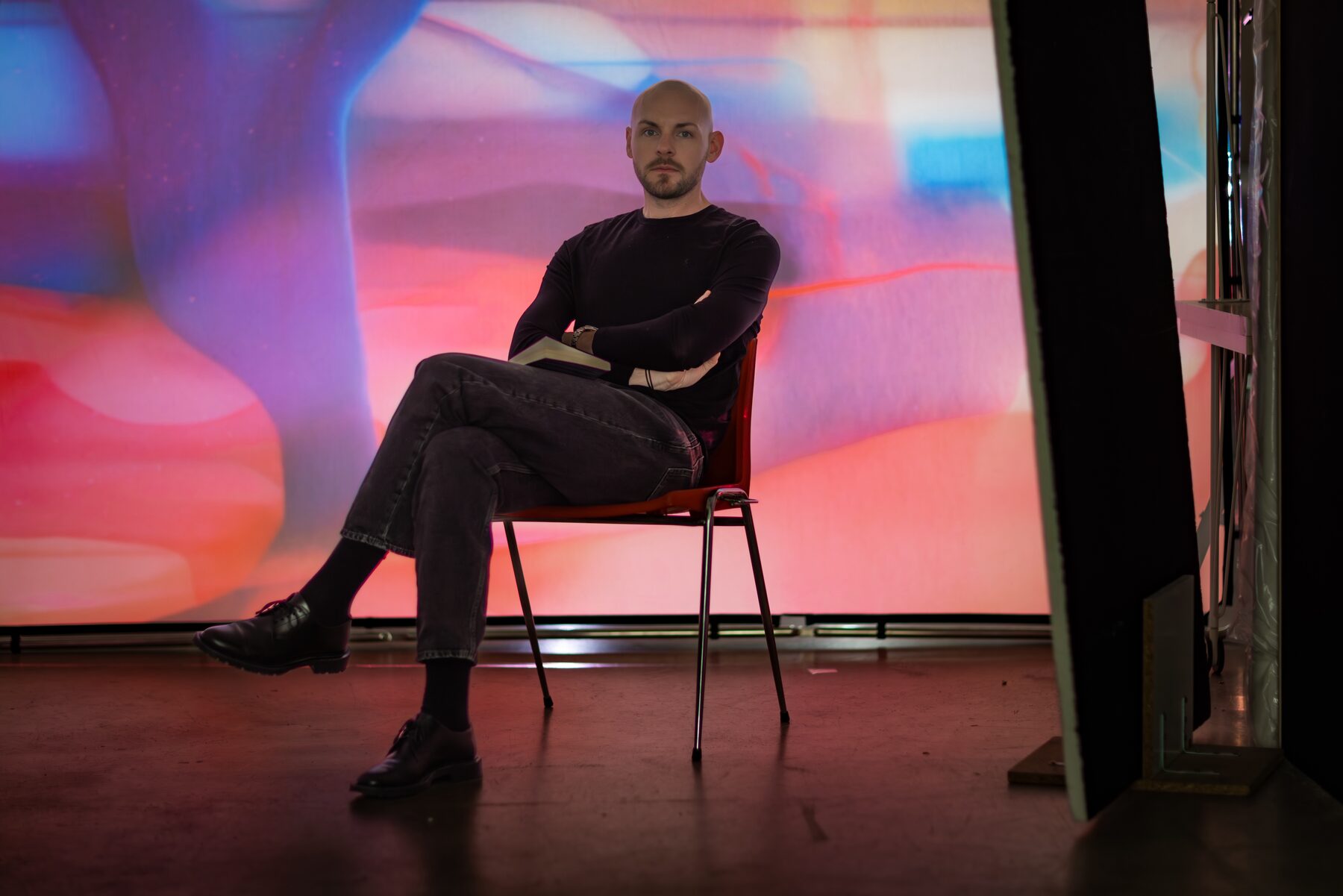
He puts the contrast in terms of the questions each setting trains you to ask. “In business I spend a lot of time asking, ‘What do we do next?’ In fiction I’m much more interested in asking, ‘Why did this person do that?’”
Holding both
The two questions can share a head. A leader who skips the second ends up deciding things about people they have not understood. The novelist’s risk runs the other way, toward staying with a question long after it has given up what it has to offer. The useful skill lies in recognising which mode a situation calls for, and noticing when you have reached for the wrong one.
Writing Three Days Grace kept him in the second mode for a long stretch. The novel deals with trauma, family secrets and the subjects people avoid, and he has described the central difficulty as resisting the urge to resolve its characters into verdicts. “That required learning to trust ambiguity,” he says. For someone trained to close questions down, that is a different muscle.
What each world lends the other
Bradley-Silverio Donato has argued that his professional life and his writing life stay separate while exercising some of the same muscles, observation and empathy among them. The difference lies in what each asks you to do with what you notice. In one setting you act on it. In the other you stay with it and let it get more complicated.
For anyone whose job rewards speed of decision, the novelist’s habit offers a counterweight. Before collapsing a situation into a choice, spend a little longer on the question of why the people involved behaved as they did. The answer may leave the decision unchanged, though it can change how you carry it out and who comes with you.
The traffic runs the other way as well. A writer who has sat through enough decisions knows that ambiguity left open forever turns into its own kind of evasion, and that a book, like a plan, has to commit to something in the end.
His own working life suggests the two habits can live in one head, each correcting the blind spots of the other, in the way a good editor and a good operator might, and that a person does not have to pick one temperament and abandon the rest.
Jeremy Bradley-Silverio Donato is an American novelist living in Paris and a Forbes contributor. His novel Three Days Grace is published by Indigo River Publishing and distributed by Simon & Schuster.
jeremycbradley.com · jeremycbradley.substack.com · @jeremycbradley



More Stories