

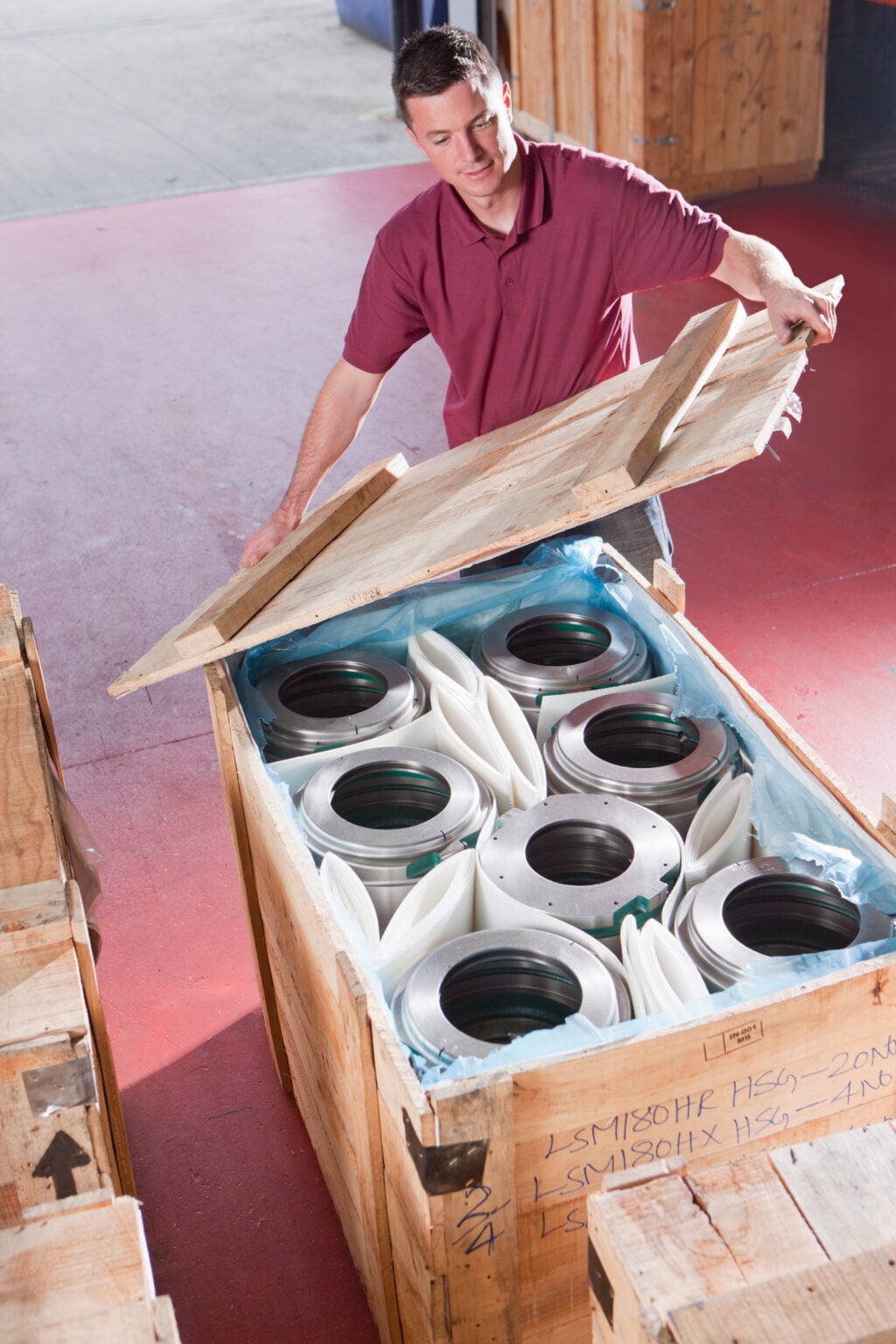
Bulk packaging can make or break your shipping operation. Whether you’re a small business owner fulfilling large orders or a warehouse manager coordinating regular freight shipments, getting your packing solutions right saves money, reduces damage, and keeps customers happy. Here’s what you need to know.
The Do’s of Bulk Packaging
Do choose the right box strength. Not all boxes are created equal. For heavy or dense products, opt for double-wall or triple-wall corrugated boxes. These provide the structural integrity needed to withstand stacking pressure during transit and storage. Cutting corners here leads to crushed shipments and costly replacements.
Do distribute weight evenly. Heavy items should sit at the bottom of the package, with lighter products layered on top. Uneven weight distribution puts stress on specific areas of the box, making it more likely to fail mid-shipment.
Do use appropriate void fill. Air pillows, foam inserts, packing paper, and biodegradable peanuts all serve a purpose. The right void fill minimizes product movement inside the box. If items are shifting around, they’re at risk — regardless of how sturdy the outer packaging is.
Do label clearly and accurately. Bulk shipments often go through multiple handling points. Clear labeling with destination details, handling instructions (such as “fragile” or “this side up”), and any hazard information ensures your package is treated correctly throughout the supply chain.
Do consider stackability. If your bulk packages will be palletized or stored in warehouses, design them to stack safely. Uniform box sizes and reinforced tops go a long way toward preventing collapses during storage.
The Don’ts of Bulk Packaging
Don’t overfill or underfill boxes. Overfilled boxes bulge and weaken at the seams. Underfilled boxes collapse under pressure. The goal is a firm, well-supported package that holds its shape under the weight of stacking.
Don’t ignore moisture. Humidity and condensation are serious threats to bulk shipments, particularly for products like electronics, food, or paper goods. Use moisture-resistant packaging materials or desiccant packs where necessary. Ignoring this is a common and avoidable mistake.
Don’t reuse heavily damaged packaging. Recycling boxes is a great cost-saving measure — but only when the packaging is still structurally sound. Creased edges, torn walls, or weakened corners compromise the box’s ability to protect its contents. Know when it’s time to use fresh materials.
Don’t skip the tape. A single strip of tape down the center isn’t enough for bulk packaging. Reinforce all seams with high-quality packing tape. The H-taping method — covering all seams on the top and bottom — significantly strengthens your package without adding much cost.
Don’t overlook sustainability. Wasteful packing solutions hurt both the environment and your brand reputation. Oversized packaging wastes materials and increases shipping costs. Right-sizing your packaging is both a smart business decision and an environmentally responsible one.
Finding the Right Balance
Good bulk packaging is about efficiency and protection working together. The best packing solutions don’t just prevent damage — they streamline your process, reduce waste, and reflect well on your brand. Take the time to assess your current approach, identify weak points, and make targeted improvements.
Small adjustments in how you pack can lead to significant gains in product safety, cost savings, and customer satisfaction. Start with the basics, build consistent habits, and your bulk packaging operation will be far more reliable for it.




More Stories
How Do I Get United Airlines Vacation Packages?
How Do I Change My Name on Breeze Airways?
What Is the LATAM Airlines Name Change Policy?