

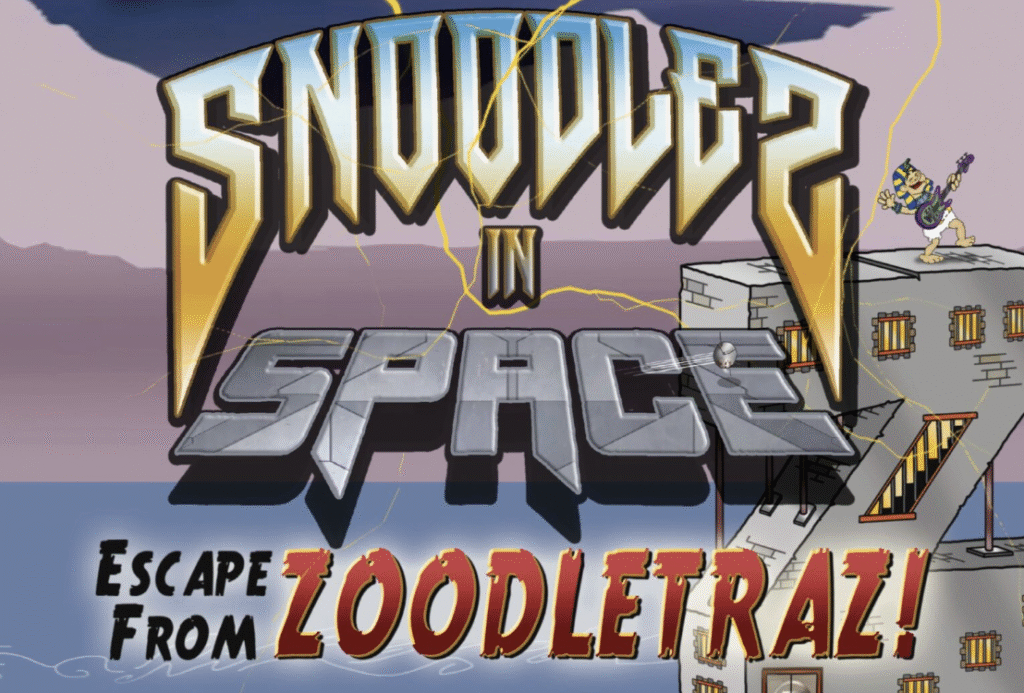
What families should know about “Snoodles in Space: Escape from Zoodletraz!”
If your family loves laughter, fast-paced adventures, and pictures that reward long looks, you are in the right galaxy. “Snoodles in Space: Escape from Zoodletraz!” blends a zippy jailbreak plot with wordplay, teamwork, and art that turns every page into a treasure hunt. This guide answers the most common family questions in one place, so you can decide how to read, discuss, and enjoy the book together.
What is the story about
The trouble begins with a simple rule on Planet Zoodle. No pets allowed. A lovable poodle breaks that rule, which lands our heroes in Zoodletraz, a prison with a flair for the dramatic. From there the story becomes a race to invent a plan, combine different strengths, and help friends get home. The humor is generous, the gadgets are clever, and the heart of the book is clear. Everyone matters, even when mistakes are made.
Who is the book for
Sweet spot ages are five through nine for shared reading. Confident readers in the eight to ten range will enjoy tackling it on their own. Pre-readers can follow the action through the pictures and retell the story in their own words. The jokes land for grownups too, which makes repeat reads a pleasure instead of a chore.
Reading level and read-aloud tips
The language is playful and rhythmic with phrases that invite performance. Try these simple strategies.
- Do a quick picture walk first. Ask what looks dangerous, what looks funny, and who seems to hold the next clue.
- Assign recurring sound effects to your child. Let them make the whoosh or the clang when you point.
- Pause at page turns and ask, “What do you think happens next.” Celebrate all guesses.
This approach keeps energy high and helps children practice prediction, sequencing, and vocabulary in a natural way.
Themes families can highlight
- Teamwork: Each character brings a different strength, and the escape only works when everyone adds a piece.
- Responsibility: A small rule slip leads to a big consequence. The group owns the mistake and solves it together.
- Creative problem solving: The plan changes as new obstacles appear. Children see that revision is part of success.
- Kindness and humor: The tone stays light without losing empathy for anyone caught in a tough spot.
These themes make it easy to discuss real moments from school, sports, and friendships without turning the book into a lecture.
Visual storytelling that invites rereads
Illustrator Andy Case fills each spread with movement, color, and tiny jokes that reward careful eyes. Characters read clearly from across the room. Background details whisper side stories. Arrows, diagonals, and smart framing guide young readers through complex scenes. On a second or third pass, children notice a new clue or a silly extra, which is why the book has strong reread value. Try a family challenge to find one new detail each time you revisit a spread.
Quick discussion prompts
Short prompts work best, especially right after a laugh.
- What was the first mistake, and how did the team fix it.
- Which tool or gadget would you invent to help.
- Who had to change their mind, and why did that matter.
- When have you helped a friend solve a problem.
Keep answers brief, praise the effort, and resist the urge to correct. The goal is to make reflection feel as fun as the story.
Activities that extend the fun
- Build Zoodletraz: Use blocks or boxes to model the setting. Plan two escape routes and test them with a marble or a toy figure.
- Character trading cards: Draw a favorite character on the front. On the back list strengths, a catchphrase, and one brave moment.
- Noodle-fueled inventions: With paper tubes, tape, and crayons, design a gentle gadget that helps without breaking rules.
- Soundtrack time: Choose a beat for the problem, a beat for the plan, and a victory cheer. Perform it as you reread.
These activities convert reading into play, which deepens comprehension and keeps children eager to return.
Classroom and homeschool value
The book supports picture walks, sequence mapping, compare and contrast, and lessons on cause and effect. It is an easy anchor for a mini unit on rules and fairness. Students can write three helpful rules for a pretend classroom on Planet Zoodle and explain why each rule matters. A design challenge fits neatly into STEM blocks. Teams sketch a tool, share a one sentence pitch, and accept friendly feedback.
Content considerations for sensitive readers
Tension comes from the jailbreak premise and the need to outsmart a secure place. The tone is playful, the stakes are clear, and the resolution is upbeat. There is no scary violence. If your child is sensitive about separation, preview the middle for reassurance. Emphasize that the group stays together, asks for help, and succeeds as a team.
Why kids love it, and why parents do too
Children love the outrageous names, the quick pacing, and the chance to spot background jokes. Parents appreciate the natural openings for conversations about responsibility and cooperation. Everyone wins because the story keeps laughter on the surface while sturdy values run underneath.
How to make the most of your copy
- Read once for giggles, then again for clues and patterns.
- Leave the book in reach so kids can page through the art on their own.
- Keep a family notebook of new words or favorite lines to quote at dinner.
- Pair the book with a small sketchbook and invite one new drawing after each reading session.
Small habits like these turn a single title into a month of shared creativity.
“Snoodles in Space: Escape from Zoodletraz!” is a joyful pick for families who want big laughs with real heart. It models teamwork, rewards curiosity, and invites children to keep telling the story long after the last page. If you are building a home library that balances fun and substance, this one deserves a spot within arm’s reach.
Know more about Steven Joseph and Andy Case by visiting their websites.



More Stories
Trading the Restaurant for the Waves: Why You Should Host Your Next Birthday on the Water
How Do I Get United Airlines Vacation Packages?
How Do I Change My Name on Breeze Airways?