

In today’s credit-driven economy, understanding your Credit score is essential for anyone looking to apply for loans, credit cards, or mortgages. Your Credit score serves as a financial report card, reflecting your creditworthiness based on your credit history and behaviors. This article will explore what constitutes the best Credit score, the factors that influence it, and practical steps on how to increase your Credit score to reach that ideal number.
What is a Credit Score?
The Credit Information Bureau (India) Limited (Credit) is one of the leading credit information companies in India. The Credit score is a three-digit number ranging from 300 to 900 that reflects your credit history, with a higher score indicating a better creditworthiness. Lending institutions often rely on this score to assess your eligibility for loans and credit.
What is Considered an Ideal Credit Score?
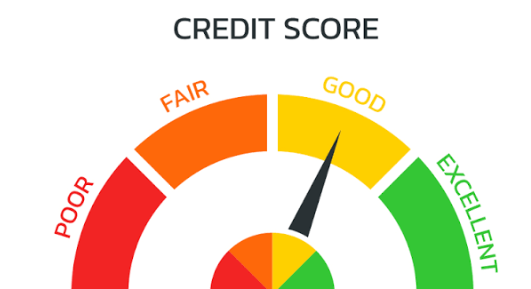
While various lending institutions may have different criteria for loan approvals, a Credit score of 750 and above is typically considered ideal. Here’s a breakdown of the Credit score ranges:
- 300-549: Poor Score – High risk for lenders; loans are likely to be denied.
- 550-649: Fair Score – Potentially eligible for small loans but may face higher interest rates.
- 650-749: Good Score – Considered average; may secure loans but with some limitations.
- 750-900: Excellent Score – Ideal range for getting loans at favorable terms.
For anyone looking to achieve the best Credit score, aiming for a score above 750 should be the goal.
Importance of a Good Credit Score
Achieving and maintaining a good Credit score is crucial for several reasons:
- Loan Approval: A high score increases your chances of loan approval.
- Lower Interest Rates: Better scores generally lead to lower interest rates, saving you money in the long run.
- Higher Credit Limits: Financial institutions are more willing to extend higher credit limits to individuals with strong scores.
- Better Negotiation Power: With an excellent credit score, you have better bargaining power in negotiating terms with lenders.
How Your Credit Score is Calculated
Understanding the factors contributing to your Credit score helps you strategize on how to increase Credit score. The score is calculated based on several key components:
- Payment History (35%): Timely repayment of loans and credit card dues has the most significant impact on your Credit score. Late payments, defaults, and bankruptcies can negatively affect your score.
- Credit Utilization Ratio (30%): This refers to the ratio of your credit card balances to your credit limits. Ideally, it should be below 30% to maintain a healthy score.
- Length of Credit History (15%): The longer you have maintained credit accounts, the more favorable your score. New borrowers may start with a lower score due to a lack of credit history.
- Types of Credit (10%): Having a healthy mix of secured (e.g., home loans) and unsecured (e.g., credit cards) loans can positively influence your score.
- Recent Inquiries (10%): Multiple loan inquiries in a short time can negatively impact your score, as lenders may perceive you as financially unstable.
How to Increase Your Credit Score
Improving your Credit score is a gradual process, requiring consistent effort and disciplined financial habits. Here are some effective strategies to increase your Credit score:
1. Pay Your Bills on Time
The most impactful action you can take is to ensure that all your bills—be it loan repayments or credit card dues—are paid on time. Setting up alerts for due dates can help you stay organized.
2. Maintain a Low Credit Utilization Ratio
Try to keep your credit utilization ratio below 30%. For instance, if your credit limit is INR 100,000, avoid carrying a balance over INR 30,000 at any point in time. If you find yourself over the limit, consider paying off your balance or asking for a credit limit increase.
3. Regularly Check Your Credit Report
Monitoring your Credit report can help you identify discrepancies or fraudulent activities that may negatively impact your score. You can access your report once a year for free; make it a routine to review it.
4. Avoid Unnecessary Credit Inquiries
Every time you apply for credit, lenders make inquiries which can affect your score. Limit the number of credit applications you submit, and only apply for credit you really need.
5. Diversify Your Credit Mix
Having a combination of secured and unsecured loans can positively influence your Credit score. However, only take on debt you can manage responsibly.
6. Reduce Outstanding Debt
Focus on paying off any existing loans and credit card debts. The quicker you eliminate these debts, the quicker you can see an improvement in your score.
7. Become an Authorized User
If you have a family member or friend with a good credit history, consider asking them to add you as an authorized user on one of their credit cards. This allows you to benefit from their positive payment history.
8. Settle Any Outstanding Dues
If you have any overdue accounts, pay them off as soon as possible. If you cannot pay the full amount, consider negotiating with creditors to settle for a lower amount.
Conclusion
Understanding what counts as an ideal Credit score and the factors that influence it is vital for anyone looking to secure financial products and services. Aiming for a score of 750 and above will open up opportunities for better financial terms and loan approvals. By practicing responsible credit habits and employing strategies on how to increase your Credit score, you can improve your financial future significantly.
An ideal Credit score not only reflects your financial health but also serves as a powerful tool in your journey toward achieving your personal and financial goals. Start today, and take actionable steps toward building a robust credit profile that will serve you well throughout your life.




More Stories
Georgia Financial Adviser Christopher Burns Remains Wanted in Fraud Case
Andrea and Kent Shannon Accused in $57 Million Tax Refund Fraud Scheme
What Are the Tax Benefits of Taking a Home Loan? A Practical Guide