

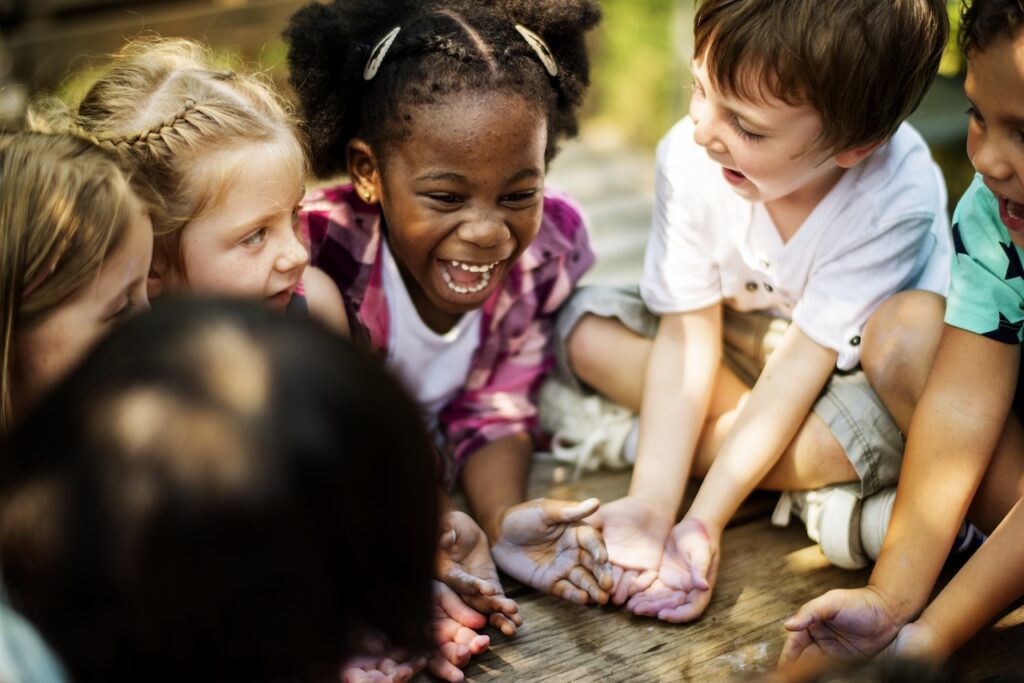
Preschool is an essential stage in a child’s development, setting the foundation for lifelong learning and personal growth. While much focus is often placed on structured classroom activities, outdoor play deserves equal attention due to its profound impact on children’s cognitive, physical, and emotional development. Let’s explore why outdoor play is a critical component of preschool education and how it enhances the learning experience.
1. Boosting Physical Development
Outdoor play provides the perfect environment for young children to develop their motor skills. Activities like running, climbing, jumping, or balancing involve fundamental movements that strengthen muscles, improve coordination, and build endurance. These activities also encourage the development of gross motor skills, which are crucial at the preschool stage.
Moreover, time spent outdoors increases exposure to natural sunlight, promoting the production of Vitamin D. This supports bone health and boosts immunity, contributing to overall well-being. By engaging in physical play, children develop a healthy, active lifestyle that can help prevent issues like obesity at an early age.
2. Fostering Social Skills and Teamwork
Outdoor settings naturally encourage collaboration, whether it’s working together to build a sandcastle, playing a game of tag, or sharing playground equipment. These interactions allow preschoolers to build critical social skills like sharing, taking turns, and resolving conflicts.
Unstructured outdoor play also provides opportunities for children to practice independence and creativity in group settings. They learn how to communicate their ideas, compromise, and adapt to different social dynamics—abilities that are valuable both in their preschool years and beyond.
3. Encouraging Cognitive and Problem-Solving Skills
Outdoor play fosters curiosity and exploration—qualities that are essential for cognitive development. When children explore nature, they engage their senses to understand the world around them. For example, observing insects, collecting leaves, or building a small bridge with natural objects stimulates their curiosity and challenges their problem-solving skills.
Additionally, outdoor environments provide unpredictable and dynamic challenges that help children learn adaptability and resilience. Unlike structured indoor activities, outdoor play presents opportunities for self-directed learning, where children can experiment, test ideas, and learn through trial and error.
4. Supporting Emotional Well-Being
Being outdoors has a calming and restorative effect on children’s emotions. Natural environments offer a break from the structured routines of indoor classrooms and create a space where children can relax and express themselves freely. Research has shown that children exposed to nature experience reduced stress, anxiety, and symptoms of attention-deficit disorders.
Furthermore, outdoor play builds self-confidence. When children overcome challenges—like climbing a tricky jungle gym or navigating a balance beam—they gain a sense of accomplishment. These small victories can boost their self-esteem and encourage a “can-do” attitude in other aspects of learning.
5. Enhancing Creativity and Imagination
The outdoors serves as a blank canvas for a child’s imagination. Unlike traditional classrooms filled with predefined toys and materials, outdoor spaces are more open-ended. Trees, rocks, puddles, and sticks become props for imaginative play, turning children into explorers, architects, or adventurers.
This free-form creative play is not just entertaining—it’s also vital for brain development. Creative thinking encourages preschoolers to think outside the box, experiment with ideas, and express their unique personalities.
Final Thoughts
Outdoor play is much more than a fun break from the classroom—it’s an invaluable part of preschool education that nurtures the mind, body, and spirit. By integrating outdoor activities into daily routines, educators can create a well-rounded learning experience that promotes physical health, social growth, cognitive development, and emotional resilience.
Parents and educators alike should prioritize outdoor play as a cornerstone of preschoolers’ upbringing. After all, the joy of fresh air, exploration, and movement lays the groundwork for confident, curious, and well-rounded individuals ready to embrace the challenges of tomorrow.




More Stories
Trading the Restaurant for the Waves: Why You Should Host Your Next Birthday on the Water
How Do I Get United Airlines Vacation Packages?
How Do I Change My Name on Breeze Airways?