

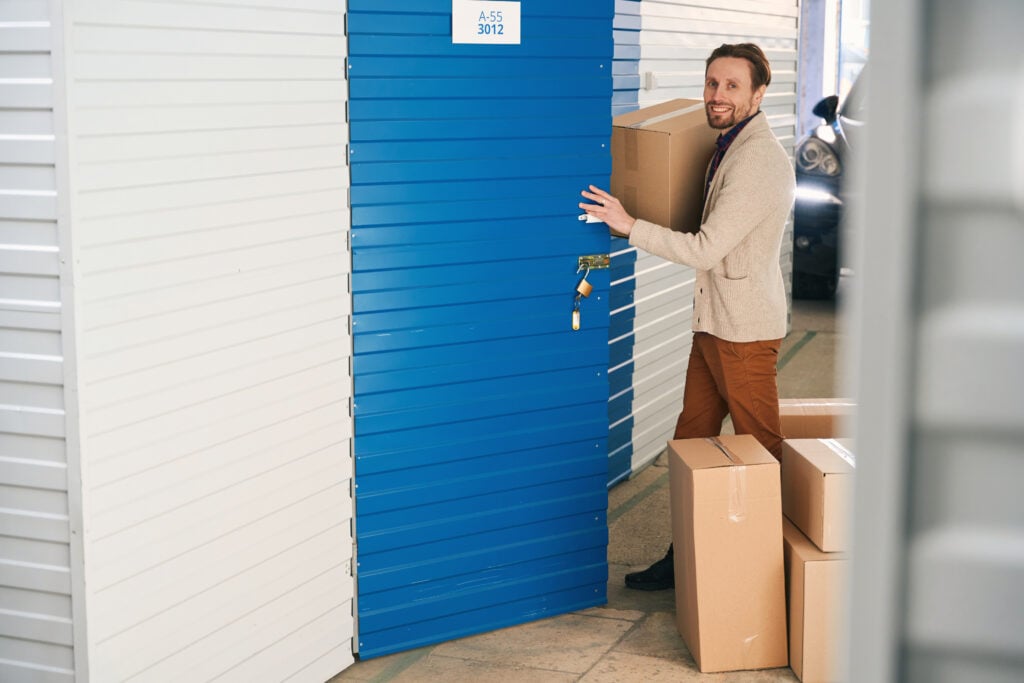
Renting a storage unit for the first time can feel overwhelming. There are sizes to consider, contracts to read, and costs to compare — all before you’ve moved a single box. The good news? Once you know what to look for, the process becomes surprisingly straightforward.
Here’s everything you need to know before signing on the dotted line.
Choose the Right Size
One of the biggest mistakes first-timers make is guessing on unit size. Too small, and you’re cramming things in. Too large, and you’re paying for space you’ll never use.
Think about what you’re actually storing. A small storage unit works well for a few boxes and seasonal items. A mid-size unit can handle the contents of a one-bedroom apartment. A larger unit suits furniture, appliances, or business inventory.
When in doubt, go slightly larger. The extra cost is often minimal, and the peace of mind is worth it.
Understand What You’re Paying For
The advertised price isn’t always the final price. When budgeting for a rented storage unit, factor in:
- Administrative or setup fees charged at move-in
- Insurance requirements, which many facilities mandate
- Lock purchases, if the facility doesn’t provide one
- Late payment fees, which can add up quickly
Read the rental agreement carefully. Look for auto-renewal clauses and notice requirements for move-out. Knowing the terms upfront prevents unpleasant surprises later.
Climate Control: Do You Need It?
Not every unit needs climate control — but some items absolutely require it. Wood furniture, electronics, artwork, photographs, and important documents can all suffer in extreme heat or humidity.
If you’re storing anything sensitive, invest in a climate-controlled unit. Standard units are fine for hardier items like tools, plastic containers, or gym equipment. Consider the climate in your area and how long you plan to store your belongings before making this call.
Think Seriously About Security
Your belongings deserve protection. Before committing to a facility, ask about:
- On-site surveillance cameras
- Gated access with individual codes
- Well-lit hallways and parking areas
- Staff presence during access hours
A good facility takes security seriously. If the property feels neglected or the staff can’t answer basic security questions, keep looking.
Pack and Organize With the End in Mind
How you store your items matters just as much as where. Use uniform box sizes so stacking is stable. Label every box clearly — especially the ones you’ll need access to first. Place frequently needed items near the front of the unit.
Leave a center aisle if you’re filling a large space. It makes accessing items in the back far less frustrating and prevents you from having to unpack half the unit just to find one thing.
Know the Rules
Facilities have restrictions on what can be stored. Most prohibit:
- Perishable food or liquids
- Flammable or hazardous materials
- Living things (yes, people have tried)
- Vehicles without prior approval
Breaking these rules can void your agreement and create liability issues. When in doubt, ask the facility directly.
Final Thoughts
Renting a storage unit is a practical solution for life’s transitional moments — whether you’re downsizing, moving, renovating, or simply reclaiming space at home. The key is going in prepared.
Take time to compare facilities, understand the full cost, and choose a unit that genuinely fits your needs. A little research upfront makes the entire experience smoother — and keeps your belongings safe for as long as you need.


More Stories
How Do I Get United Airlines Vacation Packages?
How Do I Change My Name on Breeze Airways?
What Is the LATAM Airlines Name Change Policy?