

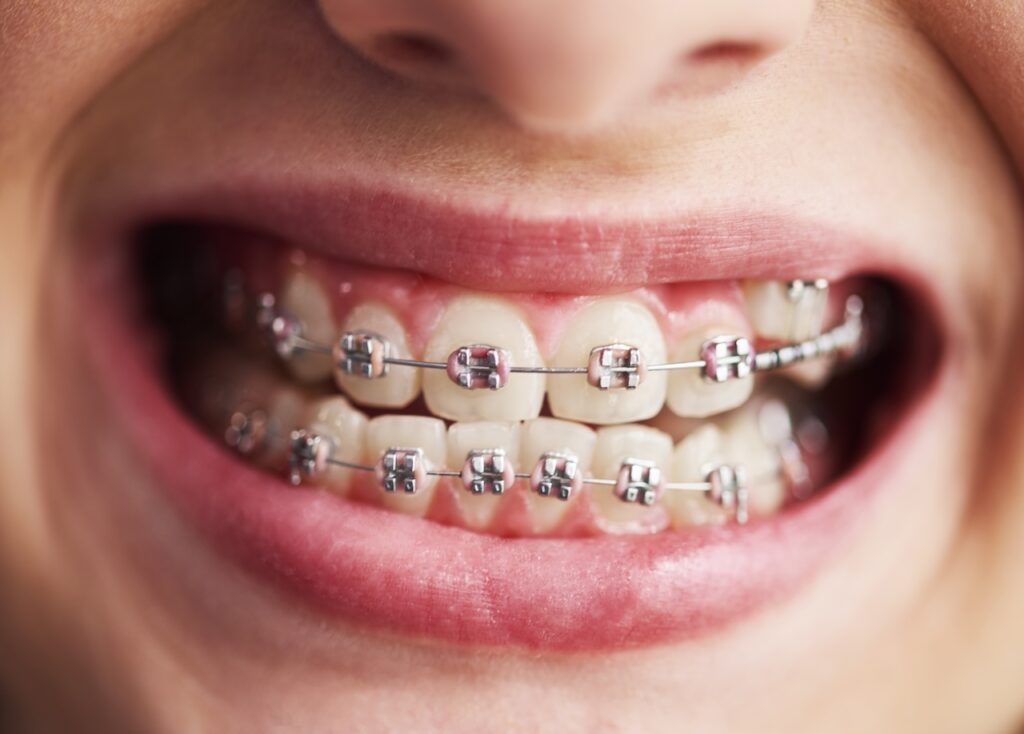
Braces are an essential tool in orthodontics, helping millions of people achieve straighter, more aligned teeth. However, choosing the right type of braces can sometimes feel overwhelming, given the variety of options available today. Each type has its pros and cons, and understanding them can make your orthodontic journey more comfortable and informed. Below, we’ll explore the different types of braces, diving into what makes each unique.
1. Metal Braces (Traditional Braces)
The classic and most widely-recognized option, metal braces, are a staple in orthodontics. Made from high-grade stainless steel, these braces include metal brackets affixed to the teeth and connected by archwires.
Pros:
- Highly effective for treating complex orthodontic cases.
- Cost-efficient compared to some other options.
- The adjustment process is straightforward and well-practiced by orthodontists.
Cons:
- Aesthetic concerns due to their visibility.
- Can cause irritation in the beginning until the mouth adapts.
Metal braces remain a reliable choice for both children and adults who prioritize function over appearance.
2. Ceramic Braces
Ceramic braces work similarly to metal braces but use clear or tooth-colored brackets, making them less noticeable. They are popular among individuals seeking effective treatment with reduced visual impact.
Pros:
- More discreet than metal braces.
- Blend well with natural tooth color.
Cons:
- Prone to staining if not properly cared for.
- Slightly more expensive than metal braces.
- Brackets may be more prone to damage.
Ceramic braces are ideal for those who want a combination of efficiency and aesthetics.
3. Lingual Braces
Lingual braces are an innovative solution, positioned on the back (lingual side) of the teeth, making them nearly invisible from the front.
Pros:
- Invisible from the front, offering a stealthy option for appearance-conscious individuals.
- Custom-made for each patient for a snug fit.
Cons:
- May cause minor speech difficulties initially.
- Harder to clean compared to traditional braces.
- Usually more expensive than other options.
Lingual braces are favored by professionals or individuals in public-facing roles who prioritize discretion.
4. Invisalign (Clear Aligners)
Invisalign, and similar clear aligner systems, have revolutionized orthodontics. These removable, custom-made plastic trays gradually move teeth into their desired position.
Pros:
- Invisible appearance – perfect for those who want an unnoticeable option.
- Removable, allowing for ease during eating and cleaning.
- Comfortable, with no wires or brackets to cause irritation.
Cons:
- Requires discipline to wear 20–22 hours a day.
- Not suitable for severe orthodontic cases.
- Can be costlier than traditional braces.
Clear aligners are an innovative choice for those who value comfort and flexibility in their orthodontic treatment. For those who have mild to moderate orthodontic issues, clear aligners can provide a nearly undetectable solution for straightening teeth.
Choosing the Right Type of Braces
It’s essential to consider factors like your aesthetic preferences, budget, and the complexity of your orthodontic case. Consulting an orthodontist is a critical step—they’ll assess your situation and recommend the most effective option.
Ultimately, whether you go with traditional metal braces, ceramic braces, lingual braces, or Invisalign, achieving a healthy, beautiful smile is worth every investment. Remember, each type of braces serves a specific purpose, and there’s an option to suit every lifestyle and orthodontic need.




More Stories
Trading the Restaurant for the Waves: Why You Should Host Your Next Birthday on the Water
How Do I Get United Airlines Vacation Packages?
How Do I Change My Name on Breeze Airways?