

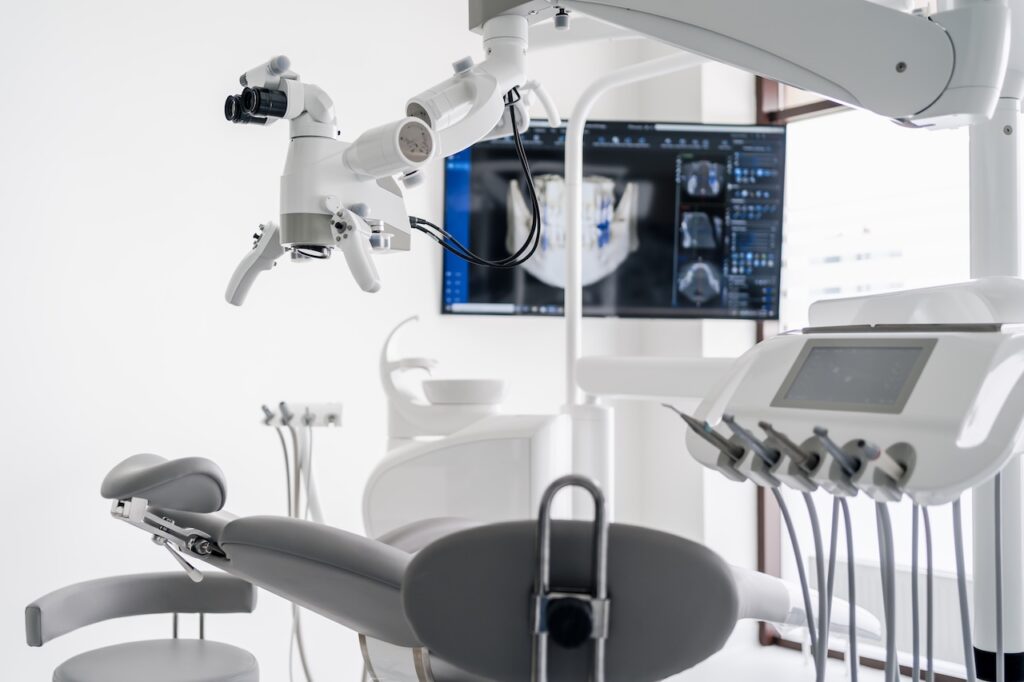
In the modern dental industry, the integration of technology is essential for providing efficient patient care and maintaining a competitive edge. However, a poorly managed IT setup can lead to inefficiencies, security vulnerabilities, and significant operational challenges. Optimizing your dental IT infrastructure not only simplifies your day-to-day operations but also ensures compliance, enhances patient satisfaction, and paves the way for scalability.
Here’s a comprehensive guide to help you streamline the IT aspects of your dental practice.
1. Conduct a Thorough IT Assessment
Before making changes, start with a complete assessment of your current IT setup. Identify gaps in your systems, potential redundancies, and areas that may be vulnerable to cybersecurity threats. Conducting this evaluation helps you understand what works well and what needs to evolve. Items to review include your dental practice management software, network configuration, and hardware efficiency.
This step also sets the foundation for compliance with data protection regulations such as HIPAA, ensuring that your patient records are well-protected and accessible only to authorized personnel.
2. Centralize Your IT Systems for Cohesion
One of the common challenges dental practices face is having multiple, disconnected systems. For example, appointment scheduling, billing, and patient management may run on separate platforms, leading to inefficiencies. Consolidating these into an integrated management platform significantly streamlines workflows.
Choose software solutions that are tailored to dental practices, offering features like patient tracking, billing automation, and clinical support. Cloud-based options are particularly beneficial for their remote accessibility, scalability, and reduced need for physical server maintenance.
3. Prioritize Cybersecurity Protocols
Given the sensitive nature of patient data stored in dental practices, prioritizing IT security is non-negotiable. Implement robust cybersecurity measures such as firewalls, encrypted data storage, and regular vulnerability scans. Educate your staff on best practices, such as setting strong passwords and identifying phishing attempts.
A proactive security strategy not only protects your business but also builds trust with your patients by safeguarding their confidential information.
4. Optimize Equipment and IT Maintenance
Similar to ensuring dental equipment is well-maintained, your IT infrastructure requires regular updates and maintenance. Outdated systems can lead to disruptions and delays, negatively impacting patient care. Set up a schedule for software updates, hardware checks, and system backups. Collaborate with IT specialists who understand dental environments to ensure your systems remain optimized and effectively maintained.
This proactive upkeep approach prevents unexpected downtimes and minimizes the risk of significant system failures.
5. Introduce Automation to Minimize Administrative Burden
Administrative duties such as scheduling appointments, billing, and patient follow-ups can consume hours of staff time. Automating these processes not only lightens the load but also reduces human errors. For example, automated reminders can improve patient attendance, while billing automation speeds up insurance claims and payments.
By investing in automation tools specific to dental practices, you’ll free your team to focus more on delivering excellent patient care.
6. Build Scalability into Your IT Strategy
As your dental practice grows, your IT infrastructure must be able to scale along with it. Plan for future growth by implementing flexible, cloud-based systems that can easily expand without the need for frequent hardware upgrades. Assess your software vendors for their ability to support an increasing number of patients, staff members, and added functionalities.
Scalability ensures your technology infrastructure remains an asset rather than a limitation as you expand your services and client base.
7. Foster a Culture of IT Literacy Among Staff
Even the most advanced IT systems won’t deliver results if your staff isn’t equipped to use them effectively. Provide ongoing training in the use of new platforms, cybersecurity best practices, and troubleshooting basic technical issues. Promote a safe space for team members to ask questions, share challenges, and suggest improvements regarding the IT setup.
A well-trained team will not only maximize the value of your IT investments but also minimize errors and foster smoother workflows.
Streamlining your dental IT infrastructure is not just about implementing the latest technology; it’s about creating a cohesive and efficient system tailored to the unique needs of your dental practice. From conducting risk assessments to prioritizing automation and cybersecurity, these strategies ensure your operations are efficient, secure, and prepared for future challenges.
Take the proactive step of refining your IT infrastructure today—it’s an investment in the longevity and success of your practice.



More Stories
Trading the Restaurant for the Waves: Why You Should Host Your Next Birthday on the Water
How Do I Get United Airlines Vacation Packages?
How Do I Change My Name on Breeze Airways?