

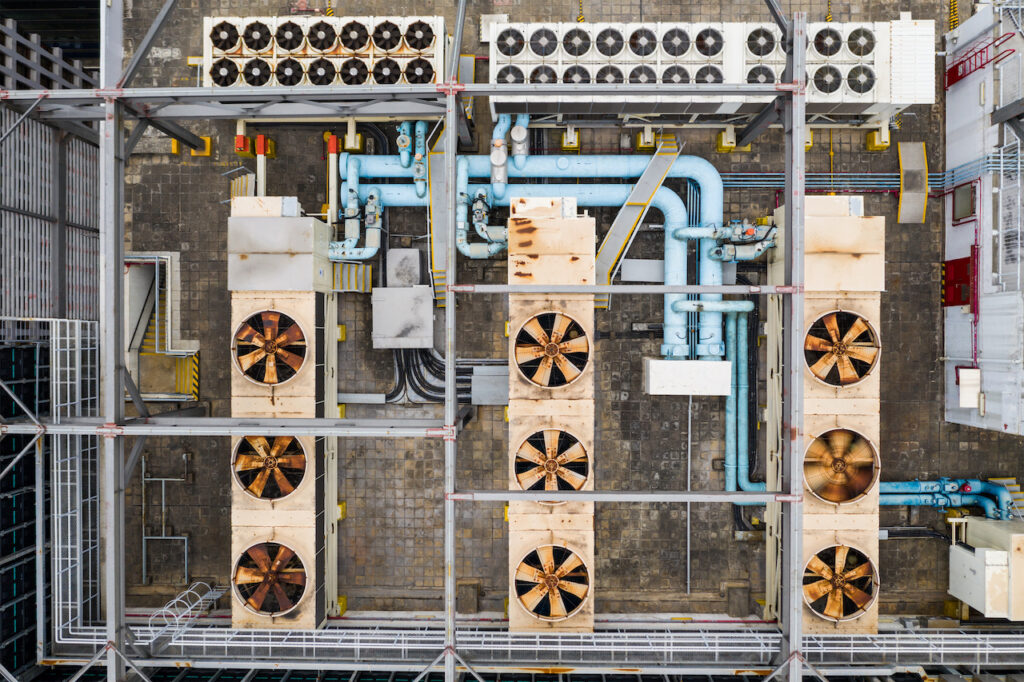
Industrial cooling systems, like chillers, play a vital role in various industries by maintaining the optimal temperature for processes, machinery, and environments. Whether you’re in manufacturing, food processing, or power generation, ensuring that your cooling systems run efficiently is not just a matter of operational success—it also impacts cost savings and environmental sustainability. This is where proactive maintenance steps in.
Below, we’ll explore actionable maintenance tips to keep your cooling systems, particularly chillers, running at peak performance, and highlight their diverse applications across industries.
The Role of Chillers in Industrial Applications
Before we discuss maintenance tips, it’s essential to understand the critical role chillers play in industrial operations. Chillers are integral in numerous sectors including, but not limited to:
- Manufacturing: Maintaining precise temperatures during plastic molding, metal cutting, and other industrial processes.
- Food & Beverage: Cooling ingredients, equipment, and finished goods to ensure safety and quality.
- Pharmaceuticals: Supporting stringent temperature controls for drug production and storage.
- Data Centers: Regulating temperatures to keep servers operating efficiently.
- HVAC Systems: Providing cooling for large facilities and ensuring comfort in commercial buildings.
With applications this critical, consistent chiller efficiency is non-negotiable. Proactive maintenance is the key to achieving this.
7 Proactive Maintenance Tips for Cooling Systems
1. Establish a Routine Maintenance Schedule
Consistent inspections and servicing are the foundation of proactive maintenance. Create schedules based on manufacturer recommendations and system usage. Include tasks like checking refrigerant levels, inspecting hoses and connections, and ensuring proper airflow.
2. Clean Heat Exchangers Regularly
Heat exchangers, including condenser coils, are prime components responsible for transferring heat. Accumulated dirt, debris, or scale build-up reduces their efficiency. Perform regular cleaning to ensure optimal heat transfer and energy efficiency.
3. Monitor Refrigerant Levels
Low refrigerant levels can significantly lower system efficiency and harm components like compressors. Ensure refrigerants are at optimal levels by checking regularly and addressing any leaks promptly.
4. Inspect and Replace Worn Components
Components such as filters, belts, and seals wear out over time. Inspect these for any signs of damage or degradation and replace them as needed to prevent larger system failures.
5. Optimize System Settings
Often, cooling systems run at settings higher or lower than necessary, leading to inefficiencies. Work with your engineering team to ensure the system is configured to match actual load requirements. Advanced control systems and automation can help optimize performance.
6. Monitor Energy Usage
Keep track of your cooling system’s energy consumption. Unexpected spikes may indicate inefficiencies or hidden system issues. Advanced monitoring tools can help identify exact trouble spots.
7. Invest in Predictive Maintenance Technology
Utilize modern tools like IoT sensors and AI-based systems that provide real-time updates on equipment conditions. These technologies predict potential failures before they occur, allowing you to address issues early.
Key Benefits of Proactive Maintenance
Organizations that prioritize proactive maintenance experience a multitude of benefits, such as:
- Energy Savings: Clean and optimized systems consume less energy, cutting utility costs.
- Enhanced Longevity: Regular maintenance extends the life of your cooling systems, delaying costly replacements.
- Reduced Downtime: Preventive measures ensure that equipment runs smoothly and avoid disruptions to operations.
- Sustainability: Efficient systems lower your carbon footprint by consuming energy responsibly.
Keep Your Cooling Systems Efficient
Proactive maintenance is essential to preserving the performance of industrial cooling systems and chillers. These systems are the backbone of countless industries, supporting everything from production lines to data centers. By following the tips outlined above, you can ensure that your cooling systems deliver optimal performance, conserve energy, and contribute to your organization’s success.



More Stories
5 Signs Your Business Needs Managed IT Support
Trading the Restaurant for the Waves: Why You Should Host Your Next Birthday on the Water
How Do I Get United Airlines Vacation Packages?