

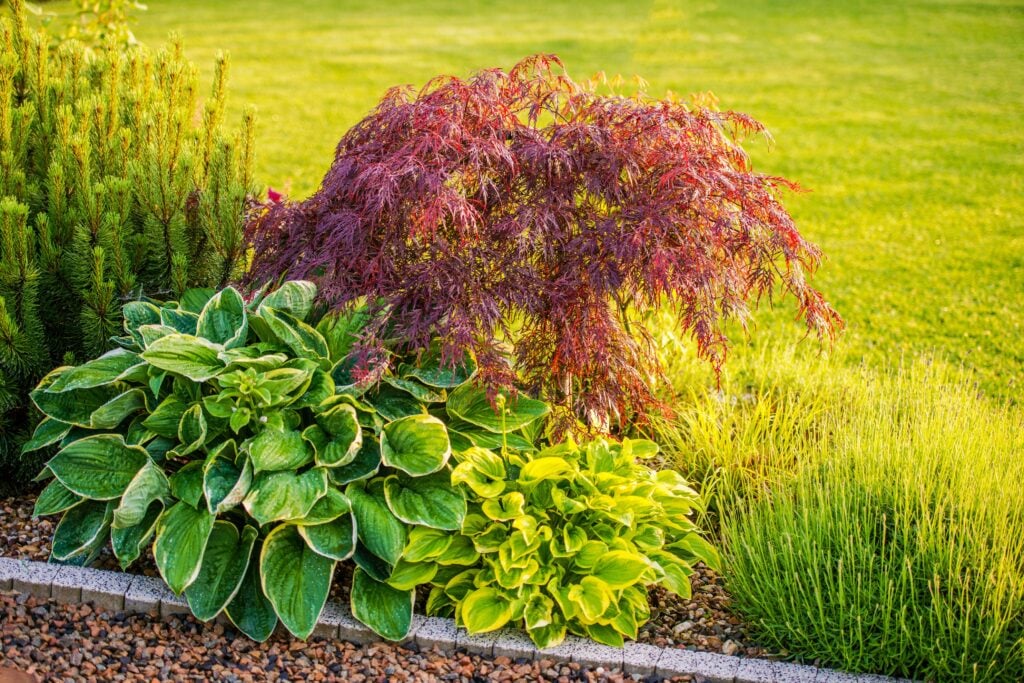
When it comes to landscaping, achieving a stunning outdoor space doesn’t have to mean endless hours of weeding, fertilizing, and watering. Incorporating native plants into your garden or yard not only makes your space visually appealing but also reduces your maintenance efforts dramatically. Native plants are perfectly suited to their environment, thriving with little intervention. Let’s explore how you can create a beautiful, low-maintenance garden with native plants.
What Are Native Plants?
Native plants are species that have naturally evolved and adapted to a specific region over thousands of years. Unlike non-native plants, which may require intensive care to survive in unfamiliar climates, native plants are inherently resilient. They’ve adapted to the local soil, weather patterns, and natural pests, making them a low-maintenance and eco-friendly choice for any landscaping project.
Benefits of Choosing Native Plants
1. Low Maintenance
Native plants are hardwired to thrive in their local environment. Because they’ve evolved to survive without human assistance, you’ll spend less time watering, fertilizing, and protecting them from pests. They establish deeper roots to access water from the soil, making them drought-resistant—perfect for areas prone to dry spells.
2. Environmental Benefits
Native plants attract local pollinators like bees, butterflies, and birds. By planting indigenous species, you’re contributing to the restoration of ecosystems that may have been disrupted by urbanization or invasive species. Moreover, since they require fewer chemicals like pesticides or synthetic fertilizers, native plants ensure a cleaner, healthier landscape.
3. Cost Effectiveness
Choosing native plants can save you money in the long run. Reduced demands for water, fertilizers, and pest control mean you’ll incur fewer expenses maintaining your garden. Once established, native plants continue to thrive without the need for constant care.
How to Choose the Right Native Plants for Your Landscape
The key to creating a thriving native garden is understanding your region’s specific ecosystem. Every area has its unique set of plants suited to the local environment. Here’s how to get started:
1. Assess Your Yard’s Growing Conditions
Take note of your garden’s soil type, sunlight availability, and climate. Some plants may require sandy soils or full sun exposure, while others prefer the shade or clay-heavy ground.
2. Research Regional Plants
Dive into resources that highlight plants native to your geographic zone. Native plant nurseries or local horticultural societies often have curated lists of plants suited for your area. Examples include prairie grasses for Midwestern landscapes or succulents for arid climates.
3. Design with Diversity
A mix of native perennials, shrubs, and trees ensures year-round interest while benefiting your local ecosystem. Diversifying your choices also reduces vulnerability to pests or diseases that might target a single plant species.
Examples of Low-Maintenance Native Plants by Region
Different parts of the country are home to varied flora, but here are some examples to inspire your vision of a low-maintenance yard:
1. Western United States
- California Poppy: A sun-loving wildflower that thrives on minimal water.
- Manzanita Shrubs: Hardy shrubs that offer year-round greenery and attract pollinators.
2. Midwest
- Purple Coneflower: A drought-resistant perennial that blooms brilliantly through summer.
- Switchgrass: A resilient grass that works well as an ornamental feature.
3. Southeast
- Coral Honeysuckle: A climbing vine known for its vibrant red flowers that attract hummingbirds.
- Muhly Grass: A decorative grass with cloud-like pink plumes.
4. Northeast
- Eastern Redbud: A small, flowering tree that bursts into magenta blooms in spring.
- Wild Columbine: A delicate perennial that grows well in woodland areas.
Tips for Maintaining a Native Plant Landscape
Once your native garden is in place, follow these tips to ensure it thrives with minimal effort:
- Mulch Wisely: Mulching helps maintain soil moisture, especially during hotter months.
- Water Sparingly: Native plants typically rely on natural rainfall. During extreme droughts, some occasional supplemental watering may be necessary.
- Prune Selectively: Pruning is usually minimal, but keeping your plants tidy once a year can help prevent overcrowding.
- Avoid Chemical Interventions: Opt for organic pest control methods, as harsh chemicals can disrupt the delicate ecosystem your plants support.
Final Thoughts
Incorporating native plants into your landscaping is one of the easiest ways to create a sustainable, thriving garden with minimal maintenance. From saving time and money to supporting local ecosystems, native plants are the perfect choice for homeowners looking to strike a balance between beauty and practicality. By starting small and adding diverse flora suited to your region, you can transform your outdoor space into an effortless haven of natural beauty.




More Stories
5 Signs Your Business Needs Managed IT Support
Trading the Restaurant for the Waves: Why You Should Host Your Next Birthday on the Water
How Do I Get United Airlines Vacation Packages?